Best National Parks in the USA: 10 Wild Places Worth the Trip in 2026
Discover the 10 best national parks in the USA for 2026 — from Yellowstone to Acadia. Tips on timing, reservations, and what makes each park unmissable.
Best National Parks in the USA: 10 Wild Places Worth the Trip in 2026
There are 63 officially designated national parks in the United States — and that number doesn't even include the hundreds of national monuments, recreation areas, and historic sites managed by the National Park Service. So when someone asks "which national parks should I actually visit?", the honest answer is: it depends entirely on what kind of wild you're after.
Are you chasing the otherworldly — geysers erupting on schedule, hoodoos rising like red-rock sculptures, arches carved by millions of years of wind and water? Or is your wild the quiet kind — a fog-wrapped coastline in Maine, a valley buried in Great Smoky Mountains mist, a meadow where a black bear quietly ignores you? America's national parks deliver both, and everything in between.
This guide cuts through the noise. We've selected 10 national parks that each do something genuinely irreplaceable — and organized them not as a ranked list, but as a window into what kind of traveler you are and what kind of landscape will stop you cold.
Quick answer: The 10 best national parks in the USA to visit in 2026 are Yellowstone, Grand Canyon, Yosemite, Grand Teton, Zion, Bryce Canyon, Arches, Glacier, Great Smoky Mountains, and Acadia. Together they represent the full spectrum of American wilderness — from geothermal wonder to desert sculpture to Atlantic coastline.
America's Big Three: The Parks You Cannot Leave Off Any List
When people ask "what are the Big 3 national parks?", they're referring to Yellowstone, Grand Canyon, and Yosemite — the trio that defined the very idea of preserving land for the public good. If you only have one multi-park trip in you, these three are where to start.
Yellowstone National Park (Wyoming / Montana / Idaho)
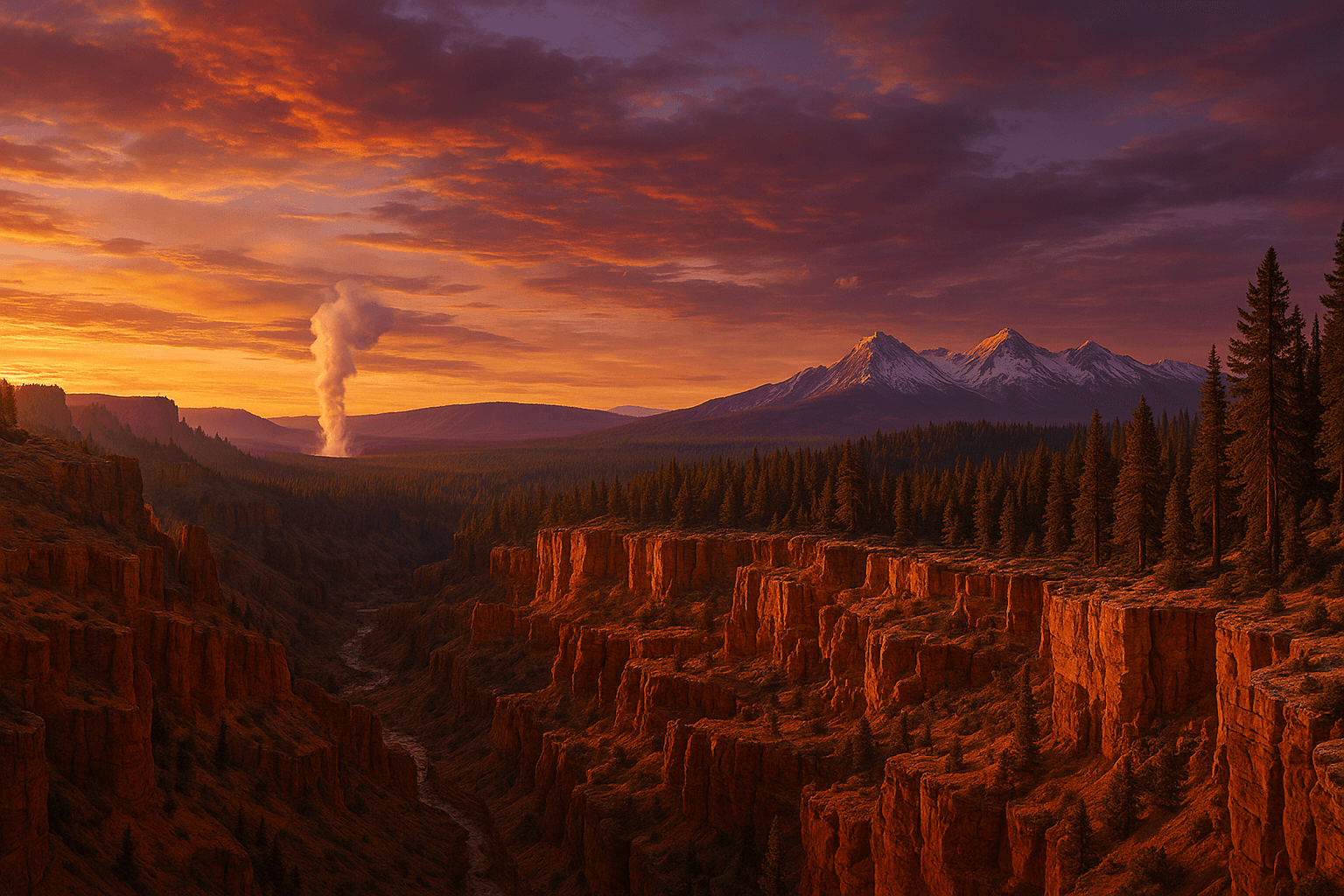
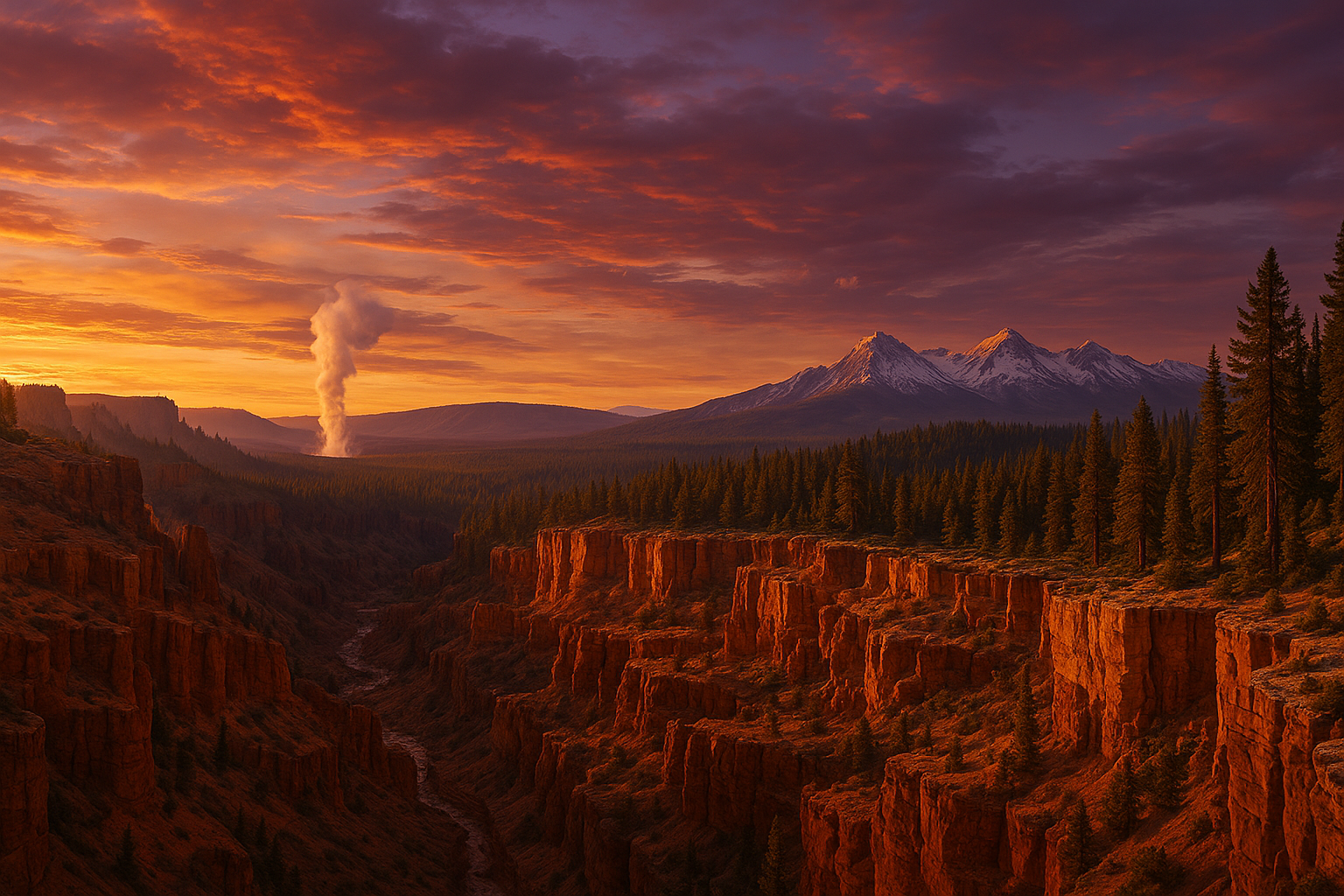
Established in 1872 as America's — and the world's — first national park, Yellowstone sits atop one of the planet's largest active supervolcanic systems. The result is a landscape that seems to breathe: more than 10,000 hydrothermal features, including roughly half of all the world's geysers. Old Faithful erupts every 44 to 125 minutes, shooting water up to 185 feet into the air, but it's far from the only show — the Grand Prismatic Spring, a 370-foot-wide hot spring ringed in electric blues, greens, and oranges, is equally jaw-dropping.
Beyond the geothermals, Yellowstone is one of the best places in North America to see megafauna. Bison herds are so common they routinely block traffic on park roads. Gray wolves, reintroduced in 1995, roam the Lamar Valley — which wildlife photographers call "America's Serengeti." Grizzly bears are reliably spotted near open meadows in spring and early fall.
Don't miss: The Grand Canyon of the Yellowstone — yes, the park has its own canyon, with a dramatic 308-foot waterfall. Most visitors walk past it and never look down.
Best time to visit: May and September strike the right balance between manageable crowds and good weather. July and August are peak season with long waits at entrance gates. Winter is spectacular but requires snowcoach or snowmobile access to reach the interior.
Grand Canyon National Park (Arizona)
No photograph has ever done justice to the Grand Canyon, and that's not a cliché — it's a documented fact of human perception. The canyon is 277 miles long, up to 18 miles wide, and more than a mile deep. Standing at the South Rim and looking across, your brain genuinely struggles to process the scale.
The South Rim is open year-round and has the most infrastructure; the North Rim is accessible mid-May through mid-October and offers far more solitude. Hiking into the canyon from the rim is one of the most dramatic day hikes in the world — the Bright Angel Trail descends 4,380 feet to the Colorado River. Day hikers can turn around at the 3-Mile Resthouse for a taste without the full commitment; rim-to-river-to-rim trips require permits and serious physical preparation. Rafting the Colorado River through the full canyon is a multi-day experience that many consider the finest wilderness river journey in the United States.
Logistical note: The Grand Canyon is an easy 4.5-hour drive from Las Vegas, making it a natural extension of any Southwest desert road trip. It's also 3.5 hours from Phoenix.
Best time to visit: March–May and September–November. Summer temperatures inside the canyon regularly exceed 110°F — genuinely dangerous for hikers who aren't prepared.
Yosemite National Park (California)
Yosemite is the park that turned a 19th-century landscape painter into an evangelist. John Muir spent years here and the rest of his life convincing anyone who would listen that these valleys deserved permanent protection. After one look at Yosemite Valley — El Capitan rising 3,000 sheer feet on one side, Half Dome dominating the east, Bridalveil Fall cascading 620 feet in the distance — it's easy to understand why.
The park covers 748,000 acres in California's Sierra Nevada, but Yosemite Valley captures most of the 3–4 million annual visitors. To escape the crowds, head to Tuolumne Meadows or the Hetch Hetchy Valley. The Mariposa Grove of Giant Sequoias — home to trees over 2,000 years old and 300 feet tall — is another world entirely.
One critical detail: since 2020, Yosemite Valley requires a day-use reservation during peak season (April–October), bookable at recreation.gov. For summer weekends, plan at least 3–6 months ahead. Campsites sell out within minutes of their release date.
Getting there: San Francisco is roughly 3.5 hours by car — making a Yosemite day trip from the Bay Area feasible, though staying in the park overnight is a profoundly different experience.
The Big 5: Adding Grand Teton and Zion
The "Big 5 national parks" is a widely used (if unofficial) designation that adds Grand Teton and Zion to the Big 3, completing the list of most iconic park experiences in the American West.
Grand Teton National Park (Wyoming)
Grand Teton sits just south of Yellowstone and is often combined with it on a single trip — but it deserves its own billing. The Teton Range rises abruptly from the valley floor of Jackson Hole with no foothills to soften the transition. The result is one of the most photogenic mountain skylines in North America: a row of sharp granite peaks mirrored in the still waters of Jenny Lake and the Snake River.
The park's 250+ miles of hiking trails range from easy lakeside walks to technical alpine routes. The Cascade Canyon Trail — threading past waterfalls through glacier-carved terrain to Lake Solitude — is the standout. Wildlife is abundant: moose are commonly spotted in the willows near Oxbow Bend, while pronghorn and elk are regular companions across the open valleys.
Best time to visit: Mid-June through September for hiking; late September and October for the elk rut and fall foliage that turns the valley gold.
Zion National Park (Utah)
Zion is Utah's most-visited national park, and for good reason: the combination of towering sandstone cliffs, slot canyons, and the clear, wading-friendly Virgin River creates an environment that feels simultaneously accessible and genuinely wild.
The park's most famous hike — Angels Landing — now requires a permit awarded by lottery due to crowds and the very real danger of its exposed ridge, where drop-offs reach 1,000 feet. The Narrows, where hikers wade upstream through a slot canyon barely wide enough to spread your arms, is equally iconic and slightly more accessible (though water levels can make it impassable). Zion Canyon Scenic Drive is served by a free shuttle bus during peak season — private vehicles are not permitted inside the canyon, which actually makes for a more peaceful experience than most national parks.
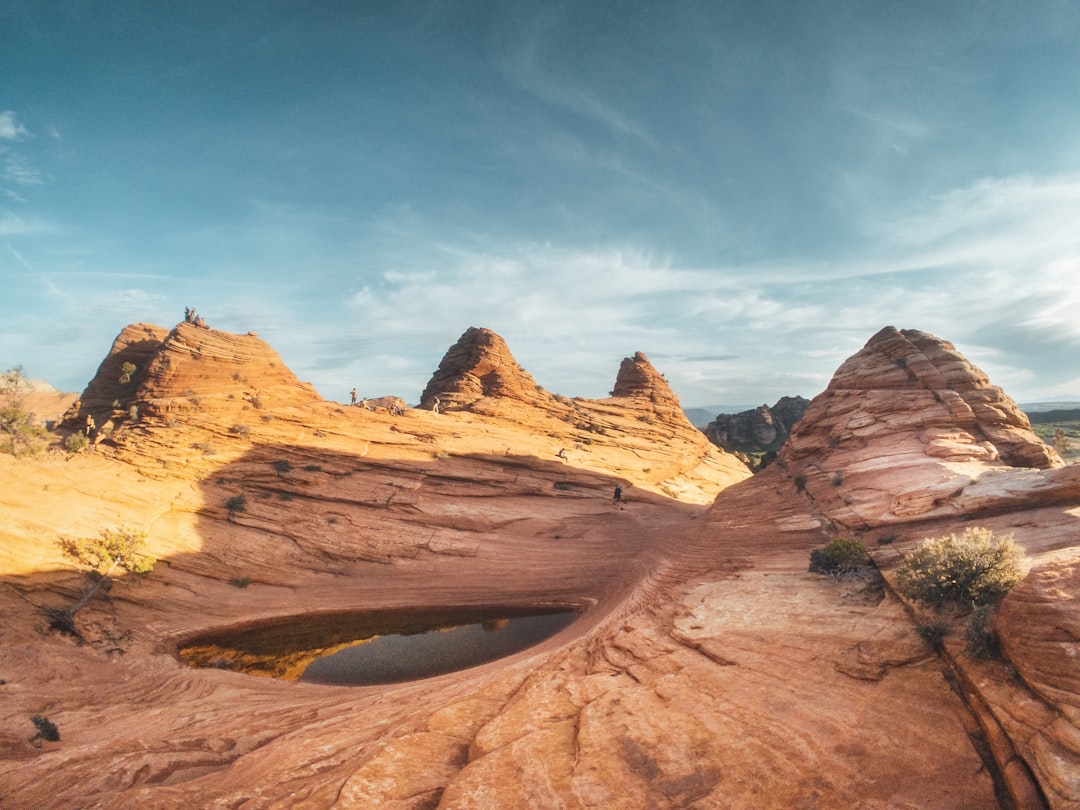
Photo by David Whipple on Unsplash
Red Rock Country: Utah's Desert Sculpture Parks
Utah has the highest concentration of stunning national parks anywhere in the country — five within roughly a 4-hour drive of each other (Zion, Bryce Canyon, Capitol Reef, Canyonlands, and Arches), collectively known as the "Mighty 5." Two of them belong on any serious national park itinerary.
Bryce Canyon National Park (Utah)
Bryce Canyon is not technically a canyon — it's a series of natural amphitheaters carved into the edge of the Paunsaugunt Plateau. What makes it singular is the hoodoos: thin, spire-shaped rock formations in shades of red, orange, pink, and white that look like they belong on another planet. Bryce contains the world's largest collection of hoodoos.
The park is accessible even for non-hikers — Sunset Point and Sunrise Point offer rim views that require no trail time at all. But descending the Queen's Garden Trail, which winds directly through the hoodoo formations at the base of the amphitheater, is worth every step of the climb back out.
Bryce Canyon is also one of the best stargazing destinations in the American West. At 8,000–9,000 feet elevation with minimal light pollution, the Milky Way is visible to the naked eye on clear nights, and the park hosts an annual astronomy festival each June.
Best time to visit: May–September for hiking; winter brings snow that settles between the orange hoodoos for an unforgettable contrast — and far thinner crowds.
Arches National Park (Utah)
Arches preserves over 2,000 natural stone arches — more than anywhere else on Earth — across 77,000 acres of southeastern Utah near the adventure town of Moab. The formations range from delicate fins to colossal free-standing arches like Delicate Arch (a 65-foot-tall freestanding sandstone arch that appears on Utah license plates) and Landscape Arch, with a 306-foot span among the longest natural arches in the world.
Since 2022, Arches requires a timed-entry reservation during peak periods (April–October) — book at recreation.gov well in advance. The park's highlights are viewable in a single full day, but the Moab area — with access to Canyonlands, mountain biking on the Slickrock Trail, and Colorado River rafting — warrants at least three days.
Road trip note: Los Angeles is a natural launching pad for a Southwest road trip hitting Zion, Bryce, and Arches — the drive to Moab is 9–10 hours, manageable with an overnight stop in Las Vegas or St. George, Utah.
Zion or Bryce Canyon: Which Should You Visit?
This is one of the most common questions in national park trip planning, and the honest answer is: both, ideally back to back (they're only 90 minutes apart). But if you must choose one:
- Choose Zion if you love hiking, water, and physical immersion in landscape — wading slot canyons, climbing exposed ridges, following a river through towering walls.
- Choose Bryce Canyon if you're captivated by surreal geology, photography, or stargazing — and want a park that delivers drama even without strenuous effort.
Hiking in Zion is more demanding and more varied. Bryce is more immediately visually singular — there's nothing quite like hoodoos anywhere else in the world. Many visitors who see both rate Bryce as more uniquely alien and Zion as more physically rewarding. The good news: a single Utah road trip can include both, plus Arches and Canyonlands, in under two weeks.
Northern Wilderness: Glacier National Park Before It Changes Forever
Glacier National Park (Montana)
Glacier National Park is, without hyperbole, one of the most beautiful places on the planet. Spanning the Rocky Mountains along the US-Canada border in northwestern Montana, it contains over 700 lakes, two ranges of the Rockies, and — as its name promises — glaciers. Their number has dropped from approximately 150 in 1910 to fewer than 30 today due to climate change. Scientists project that most of the remaining glaciers will be gone by 2030–2050 under current trends. Going now is not just travel advice — it's a closing window.
The Going-to-the-Sun Road is one of America's great drives: a 50-mile transmountain route that crests Logan Pass at 6,646 feet, threading past hanging valleys, cascading waterfalls, and mountain goats that appear unbothered by the sheer drops below them. Vehicle reservations or shuttles are required during peak season. The Highline Trail along the Garden Wall — accessible from Logan Pass — is considered one of the finest day hikes in all of North America.
For wildlife, Glacier is exceptional: grizzly bears, mountain goats, bighorn sheep, gray wolves, and wolverines all inhabit the park. The Many Glacier area, in the northeastern corner, is the park's wildlife hotspot and arguably its most dramatic landscape.
Best time to visit: Mid-July through mid-September. The Going-to-the-Sun Road is often closed by snow until late June or early July. Go soon.
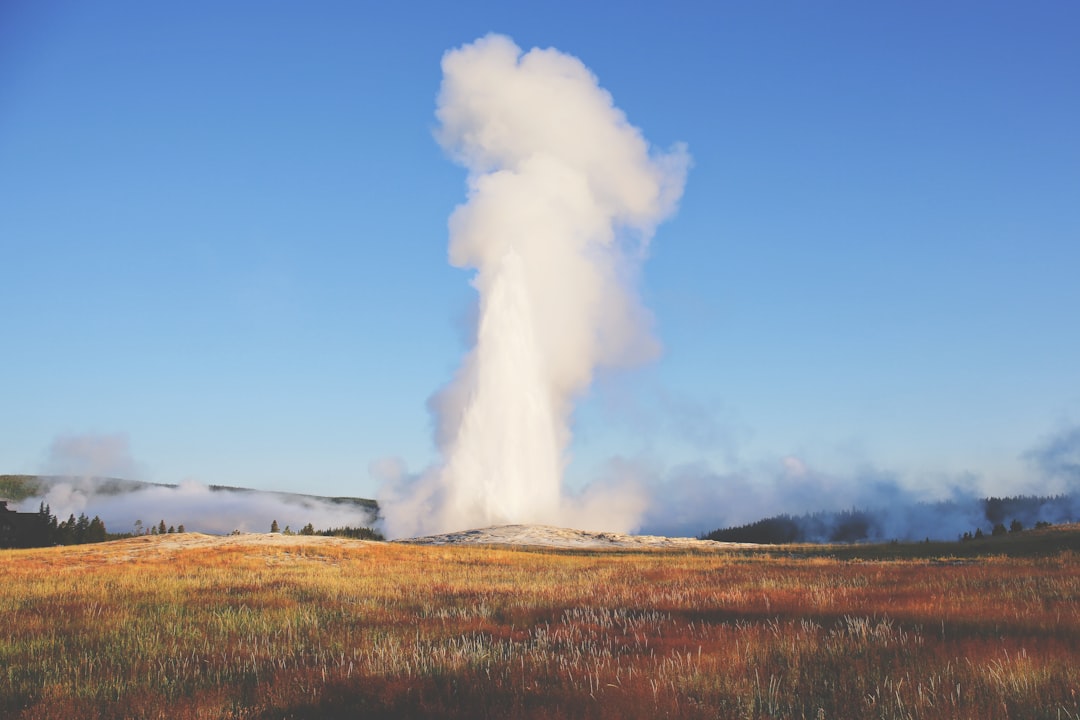
Photo by Emily Campbell on Unsplash
Eastern Escapes: America's Parks Beyond the Rockies
Most national park conversations skew heavily western — and understandably so. But two parks east of the Mississippi offer experiences that the western parks simply cannot replicate.
Great Smoky Mountains National Park (Tennessee / North Carolina)
Great Smoky Mountains is the most-visited national park in the United States — by a wide margin, drawing over 13 million visitors a year. That number surprises people who imagine national parks as remote wilderness, but the Smokies are accessible, free to enter (no entrance fee), and genuinely beautiful.
The "smoke" in the name comes from the natural mist that clings to the Appalachian ridges, created by extraordinary biodiversity: the park contains more tree species than all of northern Europe combined, and over 1,500 species of flowering plants bloom through spring and summer. Fall foliage — typically peaking mid-to-late October — is among the most spectacular in the country.
For hikers, Clingmans Dome (6,643 feet, the highest point in the park) offers panoramic views above the clouds on clear days. The Alum Cave Trail is one of the park's finest routes, leading through dramatic overhangs past spring wildflowers. June brings a remarkable natural event: the synchronous fireflies of Elkmont, where entire meadows pulse in coordinated light shows visible only in a handful of locations globally. Lottery permits are required for the viewing area — apply in April.
If you're visiting from Nashville, the Smokies are about a 3.5-hour drive — an easy and highly rewarding weekend detour.
Acadia National Park (Maine)
Acadia is the oldest national park east of the Mississippi River and the only national park in New England. Located mostly on Mount Desert Island off the Maine coast, it offers something the western parks simply do not: the collision of ocean and mountain, where granite peaks rise directly from the Atlantic.
Cadillac Mountain (1,530 feet) is the highest point on the US Atlantic seaboard and — for a portion of the year — the first place in the country to see the sunrise. Park Loop Road circles the island's highlights in a half day, passing Thunder Hole (where waves crash into a narrow slot and boom like a cannon), Sand Beach, and the Jordan Pond House, where popovers and tea have been served since the 1890s.
The 45 miles of carriage roads — gravel paths designed by John D. Rockefeller Jr. and open only to non-motorized traffic — are among the most elegant ways to experience any national park, by bicycle or on foot. Nearby Bar Harbor is a classic New England coastal town with exceptional seafood.
Best time to visit: Late May through June (light crowds, spring wildflowers) or September (fall foliage, still warm enough to swim). August is the peak crowd season.
Practical Tips for Visiting US National Parks in 2026
Get the America the Beautiful Pass ($80)
If you're planning to visit two or more national parks in a calendar year, the America the Beautiful Annual Pass pays for itself immediately. It covers entrance fees at all federal fee areas — including all 63 national parks — for one year from the date of purchase, for the vehicle and all its occupants. Most parks charge $20–$35 per vehicle; the pass breaks even after two visits and covers every additional park for free.
The pass is available at any park entrance, online at store.usgs.gov, or by calling 1-888-275-8747. Free passes are available for fourth-grade students (Every Kid Outdoors) and US military members.
Book Early — Very Early
Several high-traffic parks now require timed-entry reservations during peak season. Book the moment reservations open:
- Yosemite: day-use reservations required April–October (recreation.gov), typically open months in advance
- Arches: timed entry April–October (recreation.gov)
- Glacier: vehicle reservations required for Going-to-the-Sun Road (recreation.gov)
- Grand Canyon South Rim: no reservation needed for entry, but rim-to-river hike permits require advance planning
- Angels Landing (Zion): permit lottery required; apply at recreation.gov
For campsites, reservations at popular campgrounds (Madison at Yellowstone, Yosemite Valley Campground, Glacier's Many Glacier) open 6 months in advance and sell out in minutes. Set a reminder.
Know Your Best Seasons
| Park | Best Season | Quick Note |
|---|---|---|
| Yellowstone | May, September | Avoid the July–August crowds |
| Grand Canyon | Mar–May, Sep–Nov | Canyon floor is dangerously hot in summer |
| Yosemite | May–June, September | Waterfalls peak in May from snowmelt |
| Zion | Mar–May, Sep–Nov | Summer is hot; The Narrows can flood |
| Bryce Canyon | May–September | Winter is magical but cold |
| Grand Teton | Mid-June–October | Elk rut in September is spectacular |
| Glacier | Mid-July–September | Road often snow-blocked until late June |
| Arches | Mar–May, Sep–Nov | Summer heat is extreme |
| Great Smoky Mountains | May–June, October | Fireflies in June; peak foliage in October |
| Acadia | Late May–June, September | August is the most crowded month |
Arrive Early — and Stay Late
The single most effective strategy for enjoying popular national parks is arriving at the trailhead before 8 AM. Parking lots at Zion, Yosemite Valley, and Arches regularly fill by 9–10 AM during summer. Sunset — which clears most day visitors — offers some of the best light and fewest crowds, particularly at Bryce Canyon's rim overlooks and Glacier's Logan Pass.
Frequently Asked Questions
What are the top 10 national parks in the USA?
The 10 most celebrated and rewarding national parks to visit in the USA are Yellowstone, Grand Canyon, Yosemite, Zion, Grand Teton, Glacier, Bryce Canyon, Arches, Great Smoky Mountains, and Acadia. This selection balances the iconic western parks with accessible eastern gems and spans the full range of American landscapes — from geothermal wilderness to desert sculpture to Atlantic coastline.
What are the Big 5 national parks?
The "Big 5" typically refers to Yellowstone, Grand Canyon, Yosemite, Grand Teton, and Zion — the five parks most commonly combined on multi-park western road trips. All five are located in the American West and can be visited on a single 2–3 week loop starting from Las Vegas, Salt Lake City, or Denver. Together they cover the defining landscapes of the American West: geothermal, canyon, alpine, and desert.
Which is nicer, Zion or Bryce Canyon?
Both parks are genuinely stunning and offer very different experiences. Zion rewards hikers who want to be physically immersed in a landscape — wading slot canyons, climbing exposed ridges, following a river through towering red walls. Bryce Canyon is best for those captivated by surreal geology and photography — its hoodoo formations are unlike anything else on Earth. The parks are only 90 minutes apart, and most travelers who visit both rate Bryce as more visually otherworldly and Zion as more physically thrilling. If possible, visit both on the same trip.
What are the Big 3 national parks?
The Big 3 are Yellowstone, Grand Canyon, and Yosemite — the parks that essentially created America's national park system and remain the most globally recognized. Yellowstone is in Wyoming/Montana/Idaho, Grand Canyon in Arizona, and Yosemite in California, making a single road trip covering all three challenging but achievable in two to three weeks.
America's national parks were set aside precisely because someone, at some point, recognized that these places were too extraordinary to be privatized or consumed. They belong to everyone — which means they're waiting for you, whether that's your first visit or your fiftieth. The America the Beautiful Pass, a reservation booked six months out, and a 6 AM alarm are all you need to get started.
Want to build your own spot list?
Join Spotli.st and share your favorite places with the world.
Create my free account