Things to Do in New Orleans: The Ultimate 2026 Guide to the Big Easy
Discover the best things to do in New Orleans in 2026 — jazz clubs, beignets, swamp tours, Garden District walks, and more. Your complete NOLA travel guide.
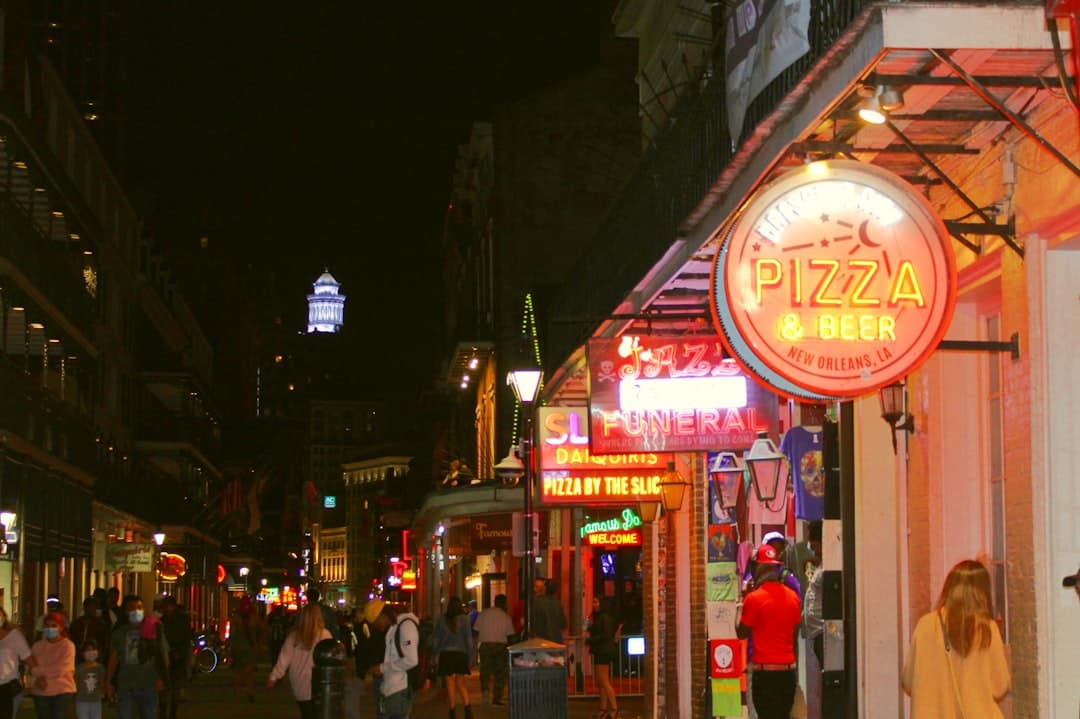
Things to Do in New Orleans: The Ultimate 2026 Guide to the Big Easy
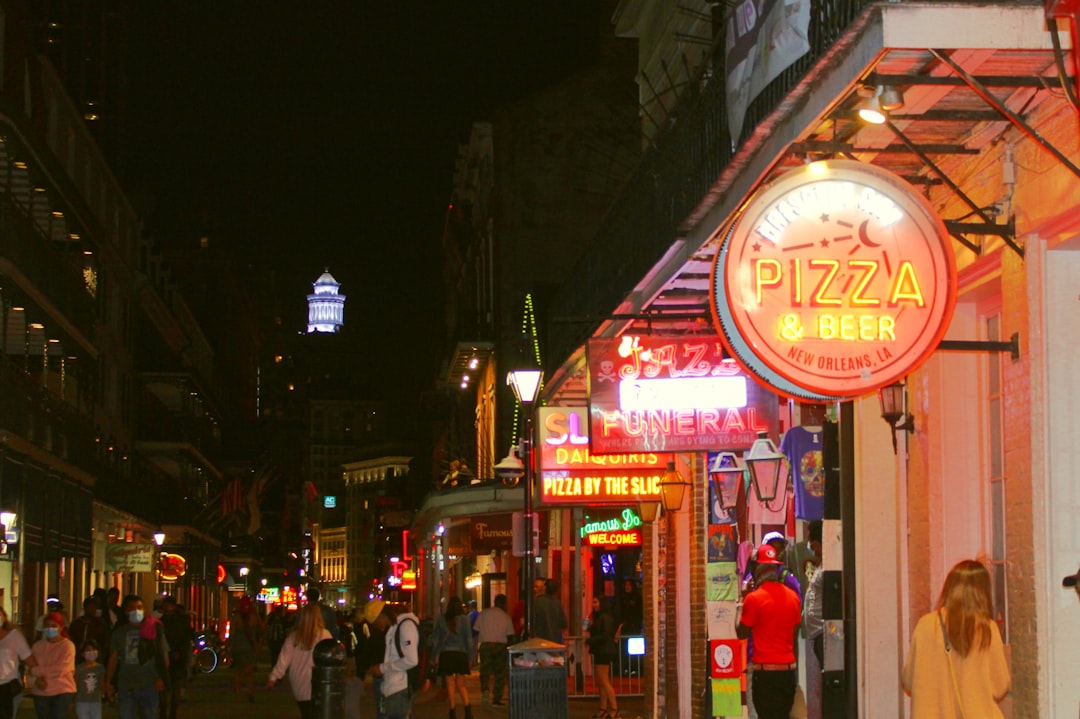 Photo by Jenny Hayut on Unsplash
New Orleans is one of America's most extraordinary cities — a living, breathing festival of music, food, history, and culture that operates on its own frequency. Whether you're drawn by the infectious jazz pouring out of open doorways on Frenchmen Street, the powdered-sugar cloud at Café Du Monde, the haunting beauty of above-ground cemeteries, or the spicy thrum of Creole cooking, the Big Easy has a way of getting under your skin and never quite letting go.
This guide covers the best things to do in New Orleans in 2026 — from the iconic French Quarter landmarks every visitor must see to the hidden neighborhoods and local haunts that reward curious travelers. Plan a weekend getaway or a full week; either way, NOLA will deliver more than you expect.
Why New Orleans Is Unlike Any Other American City
New Orleans is singular. Founded by French colonists in 1718, shaped by Spanish rule, free Black Creole culture, West African traditions, and continuous waves of immigration, the city is a cultural gumbo that defies easy categorization.
It's the birthplace of jazz. It's the spiritual home of Mardi Gras. It sits below sea level, ringed by the Mississippi River and Lake Pontchartrain. It lost nearly 80% of its neighborhoods to flooding during Hurricane Katrina in 2005 and rebuilt itself with remarkable resilience. Every block carries layers of history — in the wrought-iron balconies of the French Quarter, in the shotgun houses of the Tremé neighborhood, and in the Creole cottage architecture of Faubourg Marigny.
For the traveler, that depth means every visit rewards attention. Come for Bourbon Street if you must — but stay to discover what locals actually love.
1. Explore the French Quarter — The Beating Heart of NOLA
The French Quarter is the essential starting point for any New Orleans visit. This 13-by-7-block neighborhood on the east bank of the Mississippi is the oldest urban neighborhood in the United States and the most photographed stretch of American cityscape outside Manhattan.
Bourbon Street: Go Once, Then Explore Beyond
Bourbon Street is everything you've heard: loud, boozy, neon-lit, and relentless. Walk it during the day to soak up the atmosphere, browse souvenir shops, and photograph the ornate cast-iron balconies. Come back on a Friday night if you want to experience the city's party DNA firsthand.
But Bourbon Street is only one face of the French Quarter. The parallel streets — Royal, Chartres, Decatur — offer antique galleries, intimate cocktail bars, and music venues where the vibe is far more refined. NOLA veterans will tell you: walk Bourbon once, then explore beyond.
Jackson Square and St. Louis Cathedral
Jackson Square is one of America's great public spaces. Anchored by St. Louis Cathedral — the oldest continuously active Roman Catholic cathedral in the United States, dating to 1718 — the square buzzes daily with local energy: jazz musicians, artists selling their work, tarot card readers, street performers, and visitors soaking it all in. The bronze equestrian statue of Andrew Jackson at the center dates to 1856.
Come on a Sunday morning for the most peaceful experience, or Saturday afternoon when it's a full outdoor carnival.
The French Market
Operating since 1791, the French Market stretches along Decatur Street near the riverfront. Browse stalls selling local hot sauces, Cajun spices, handmade jewelry, vintage clothing, and original art. The back section hosts a flea market. Free to browse, endlessly entertaining.
2. Eat Beignets at Café Du Monde (Yes, It's Worth Every Grain of Sugar)
Café Du Monde beignets are arguably the single most iconic New Orleans food experience. These fried dough squares, buried under a blizzard of powdered sugar, have been served on this corner since 1862. Pair them with a café au lait — half chicory-laced coffee, half steamed milk — and settle into a table on the open-air terrace overlooking Jackson Square.
The café is open 24 hours a day, 365 days a year. Visit before 7 a.m. to beat the lines, or after midnight when the Quarter is still buzzing with energy. Budget: $5–$8 per person. Powdered sugar on your clothes is non-negotiable.
3. Experience Live Music: The Sound That Built New Orleans
New Orleans is the birthplace of jazz, and live music is everywhere — in clubs, on street corners, and pouring out of open doorways across the city. No other American city integrates music so completely into daily life.
Preservation Hall
On St. Peter Street in the French Quarter, Preservation Hall is a living institution. Founded in 1961 to preserve traditional New Orleans jazz, it's a small, intimate venue where you'll stand shoulder-to-shoulder watching world-class performers in one of the most atmospheric rooms in American music. Shows run nightly; tickets are $25–$35. Book ahead — it sells out consistently.
Frenchmen Street: Where the Locals Go
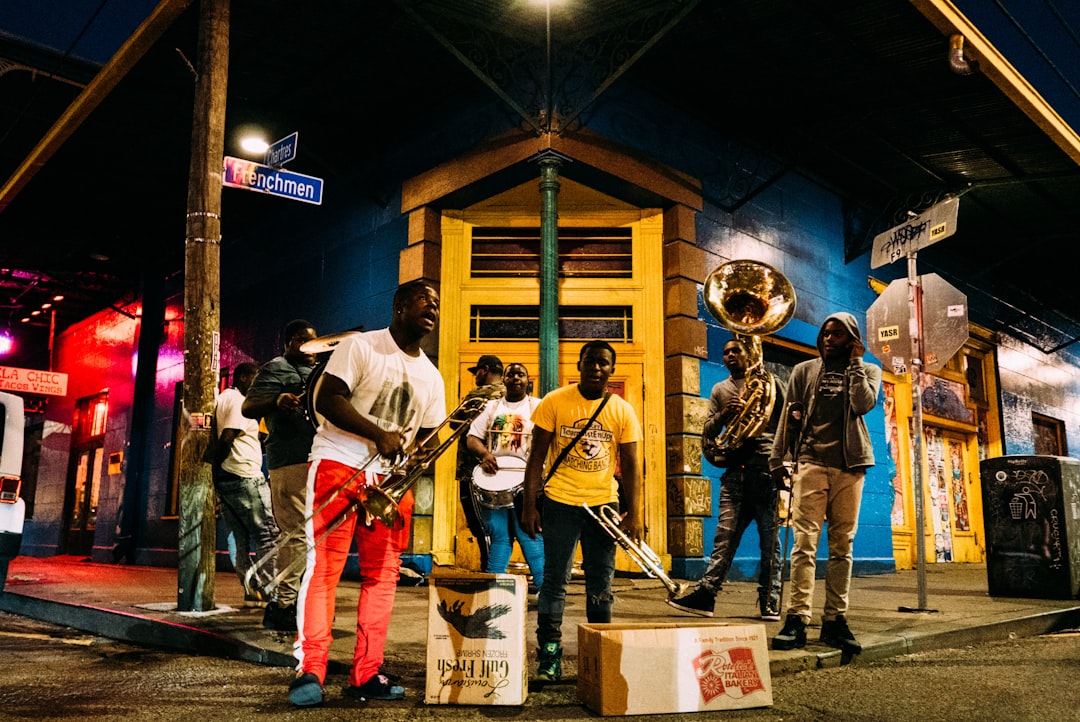 Photo by Robson Hatsukami Morgan on Unsplash
Just outside the French Quarter in Faubourg Marigny, Frenchmen Street is a three-block strip of live music venues that locals consider the authentic alternative to Bourbon Street. The Spotted Cat Music Club, DBA, the Maison — multiple clubs pack onto the same street, each with a different band, all with doors thrown open so music spills onto the sidewalk. On most nights the street itself becomes a giant block party.
No cover at many venues; buy a drink and stay as long as you like.
The Bywater and Marigny Neighborhoods
Extend your wandering beyond Frenchmen Street into the adjacent Bywater and Marigny neighborhoods — two of the most colorful, creative, and genuinely local parts of New Orleans. You'll find vibrant street art murals, boutique coffee shops, indie restaurants, and neighborhood bars where musicians rehearse in open garages. This is authentic travel at its most rewarding.
Second Lines: New Orleans' Living Musical Tradition
Keep your eyes and ears open citywide. Jazz bands materialize on corner sidewalks without warning. Second line parades — a uniquely New Orleans tradition where brass band musicians lead processions through neighborhoods while crowds dance behind them waving handkerchiefs — appear on Sunday afternoons throughout the year. The free music of NOLA is some of its finest.
4. Eat Your Way Through New Orleans
New Orleans cuisine is one of the great American food traditions — a fusion of French technique, African flavors, Spanish influence, Gulf Coast ingredients, and centuries of creative improvisation. These are the essential dishes and where to find them:
| Dish | What It Is | Where to Try It |
|---|---|---|
| Po' boy | Crusty French bread stuffed with fried shrimp, oysters, or roast beef | Domilise's, Parkway Bakery |
| Gumbo | Thick roux-based stew with seafood, chicken, and andouille | Dooky Chase's, Commander's Palace |
| Crawfish Étouffée | Crawfish smothered in buttery Cajun sauce | Bon Ton Café |
| Red Beans and Rice | Monday tradition: kidney beans slow-cooked with andouille | Most local diners |
| Muffuletta | Round Italian sandwich with olive salad | Central Grocery (original, est. 1906) |
| Charbroiled Oysters | Grilled with garlic butter and parmesan | Drago's Seafood Restaurant |
| Beignets | Fried dough buried in powdered sugar | Café Du Monde |
| Jambalaya | One-pot rice dish with sausage, chicken, and shrimp | Many neighborhood restaurants |
Classic New Orleans Cocktails
New Orleans has a legitimate claim to being America's cocktail capital. The Sazerac — rye whiskey, Peychaud's bitters, and absinthe rinse — is the city's official cocktail, invented here in the 1850s. The Hurricane (rum, passion fruit syrup) is the classic tourist order at Pat O'Brien's on Bourbon Street. The Ramos Gin Fizz (gin, citrus, cream, orange blossom water, shaken for 12 minutes) is the quintessential New Orleans brunch drink.
Most bars allow you to take your drink outside in a plastic "go cup" — open container laws are relaxed city-wide, making all of New Orleans feel like one extended celebration.
5. The Garden District: Southern Architecture at Its Finest
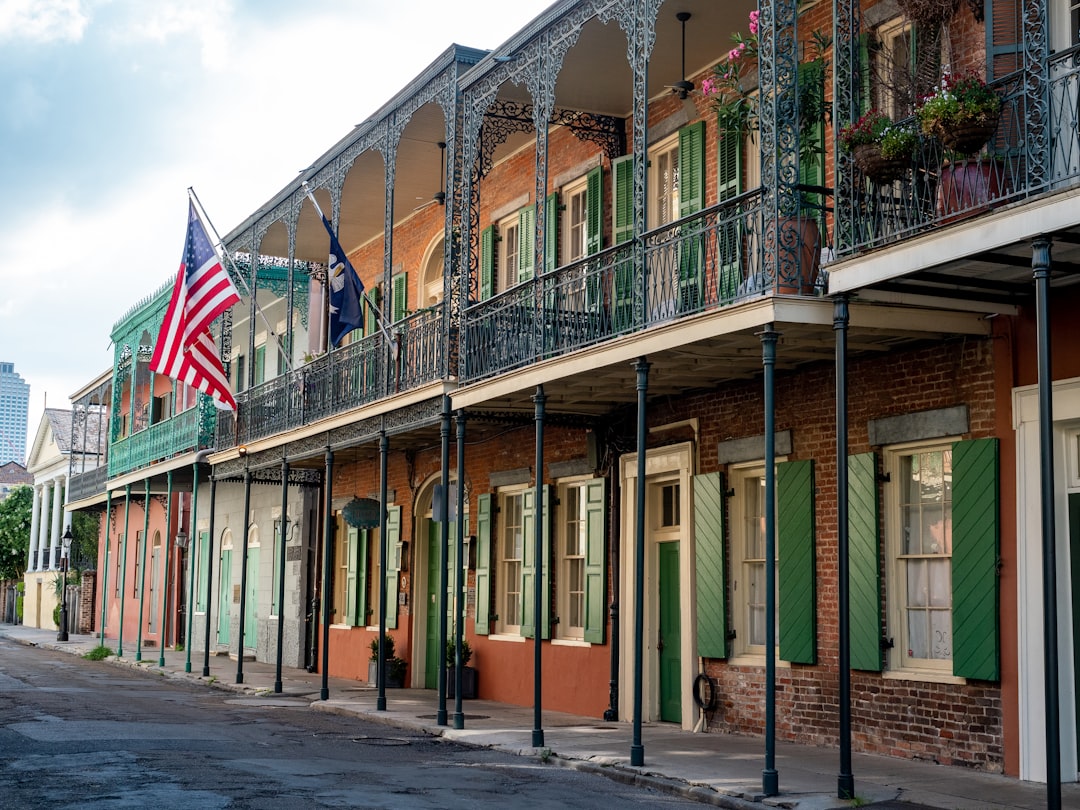 Photo by Mary Hammel on Unsplash
The Garden District is home to some of the most spectacular residential architecture in the United States. Take the historic St. Charles streetcar ($1.25 — one of the world's oldest continuously operating streetcar lines, running since 1835) from the French Quarter through the Uptown neighborhoods.
The Garden District was developed in the 1830s–40s by wealthy American merchants who arrived after the Louisiana Purchase and built grand Italianate, Greek Revival, and Victorian mansions that still line Prytania Street and St. Charles Avenue today.
What to do in the Garden District:
- Walk Prytania Street and Washington Avenue for the best mansion views
- Visit Lafayette Cemetery No. 1 — a 19th-century above-ground cemetery featured in Anne Rice's Interview with the Vampire
- Explore Magazine Street for independent restaurants, vintage boutiques, and local shops stretching for miles
6. New Orleans Cemeteries: A Uniquely Eerie Experience
New Orleans buries its dead above ground. Because the city sits below sea level, traditional in-ground burial is impossible — historically, coffins would float to the surface after heavy rains. The result is a network of elaborate "cities of the dead": above-ground tomb cities with ornate vaults stacked like small houses, many dating to the 1700s.
St. Louis Cemetery No. 1 (Basin Street, French Quarter) is the oldest surviving cemetery in New Orleans, established in 1789, and the reputed burial site of Marie Laveau — the legendary Voodoo Queen of New Orleans. Entry is by guided tour only (required since 2015). Book through Save Our Cemeteries for a licensed, historically rigorous tour ($20–$25 per person).
Lafayette Cemetery No. 1 (Garden District) is slightly less crowded and equally atmospheric — easily combined with a Garden District walk.
Budget 1–2 hours for a cemetery tour. The combination of history, Gothic architecture, and Louisiana atmosphere makes it one of the most memorable things to do in New Orleans.
7. Ghost Tours, Voodoo, and the Supernatural Side of NOLA
New Orleans has a genuine claim to being America's most haunted city. Given its history of epidemics, floods, fires, and centuries of violent upheaval, the city is layered with ghost stories. The local tradition of Voodoo — a legitimate West African-derived spiritual practice brought to Louisiana by enslaved people — adds another dimension of mystery.
- The New Orleans Historic Voodoo Museum (724 Dumaine St, French Quarter): A small but fascinating museum exploring the real history and practice of Louisiana Voodoo. Admission ~$7. Compact but genuinely informative.
- Evening ghost and vampire tours: Multiple operators depart nightly from the French Quarter. Haunted History Tours and French Quarter Phantoms are consistently well-reviewed. Expect to pay $20–$30 per person for 90–120 minute tours.
8. Take a Swamp Tour: Louisiana's Wild Backyard
Just 30–45 minutes outside New Orleans, the Louisiana bayou offers one of the most otherworldly landscapes in North America. Cypress trees draped in Spanish moss, mirror-black water channels, and abundant wildlife — including wild American alligators — make for an unforgettable half-day excursion from the city.
Multiple operators run tours from New Orleans, typically by flat-bottomed boat through narrow bayou channels:
- Dr. Wagner's Honey Island Swamp Tours — one of the most respected eco-focused operations
- Cajun Encounters — departs from the French Quarter with hotel pickup available
- Annie Miller's Son's Swamp Tours — legendary family-run operation near Houma
Cost: $30–$55 per adult for a 2-hour tour. Book ahead during peak season (March–May, October–November). Wildlife spotting is best in early morning hours.
9. Visit the Whitney Plantation — The South's Most Important History Site
About an hour west of New Orleans on the Great River Road, the Whitney Plantation is the only plantation museum in Louisiana that centers the history of enslaved people rather than the antebellum lifestyle of the planter class. It is one of the most powerful historical experiences in the American South.
The tour features the documented stories of individual enslaved workers (drawn from court records and the 1930s Slave Narratives project), preserved original slave quarters, a haunting memorial with 100,000 ceramic faces representing enslaved people, and the Wall of Honor listing over 350 enslaved individuals by name.
Admission: $25 for adults; guided tours strongly recommended. Budget 2–3 hours. This experience is emotionally demanding, historically rigorous, and completely essential for understanding Louisiana history.
10. City Park, the NOMA, and the National WWII Museum
New Orleans Museum of Art (NOMA) and City Park
City Park is one of the largest urban parks in the United States — 1,300 acres, larger than Central Park in New York. Within it, the New Orleans Museum of Art (NOMA) houses a world-class collection of 40,000 works spanning 5,000 years, with strengths in French and American paintings, photography, and African art. General admission: $15.
The adjacent Sydney and Walda Besthoff Sculpture Garden is free to enter — 90 sculptures by Henry Moore, Louise Bourgeois, Isamu Noguchi, and others are scattered across five oak-shaded acres. Rent bikes at the park entrance to explore trails, ancient live oaks (some over 600 years old), and the eccentric Singing Oak — a massive tree hung with hundreds of wind chimes.
National WWII Museum
Consistently ranked among the top museums in the United States, the National WWII Museum is a must-visit regardless of your interest in military history. The museum covers the entire Allied war effort with extraordinary depth — first-person accounts, immersive installations, period aircraft, and thousands of artifacts. Admission: ~$32 for adults. Plan a minimum of 4–5 hours; most visitors wish they'd allowed a full day.
11. Take a Cajun Cooking Class
A Cajun or Creole cooking class is one of the best things to do in New Orleans for couples and food enthusiasts. Several operators offer half-day sessions where you learn to make dishes like gumbo, crawfish étouffée, and pralines from local chefs — and then sit down to eat everything you've cooked.
The New Orleans School of Cooking (on St. Louis Street in the French Quarter) is the most established, offering daily demonstrations and hands-on classes. Prices range from $60–$130 per person. Book well ahead — classes sell out during peak season.
12. Cruise the Mississippi on the Steamboat Natchez
The Steamboat Natchez is the last authentic steam-powered sternwheeler in the United States. A 2-hour jazz cruise on the Mississippi River — departing from the French Quarter waterfront — combines live Dixieland jazz with sweeping views of the New Orleans skyline and the vast, churning river.
Day harbor cruises: ~$35 per adult. Dinner cruises: $75–$90. Book ahead. Particularly magical at sunset, when the city skyline glows copper against the evening sky.
When to Visit New Orleans: A Season-by-Season Guide
| Season | Weather | Crowds | Highlights | Budget |
|---|---|---|---|---|
| Feb–March (Mardi Gras) | Mild (55–70°F) | Very high | Mardi Gras parades, balls, street parties | Peak prices |
| April–May (Spring) | Warm (70–82°F) | Moderate | Jazz Fest (late April–May), blooming gardens | Moderate |
| June–August (Summer) | Very hot, humid (88–95°F) | Low | Locals-only feel, low hotel rates | Budget-friendly |
| Sept–November (Fall) | Cooling (65–80°F) | Low-moderate | Halloween, Voodoo Fest, Creole Tomato Festival | Best value |
| December–January | Mild (50–65°F) | Low-moderate | Christmas decorations, New Year's Eve | Moderate |
Best months overall: April–May and October–November offer the ideal balance of weather, atmosphere, and value.
Getting Around New Orleans
New Orleans is highly walkable in the French Quarter, Marigny, and Garden District. For longer distances:
- St. Charles Streetcar ($1.25) — historic, scenic route through Uptown; one of the best value rides in any American city
- Ride-shares (Uber/Lyft) — widely available and reliable
- Blue Bikes — docked city bikes available throughout the city; $15/day
- Avoid renting a car for your first visit — parking is expensive and French Quarter streets are congested
Budget Guide: How Much Does New Orleans Cost?
| Level | Accommodation | Food | Activities | Daily Total |
|---|---|---|---|---|
| Budget | $80–120 (hostel/budget hotel) | $25–40 (po'boys, markets) | $20 (free music, parks) | ~$125–180 |
| Mid-range | $150–250 (3-star hotel) | $60–90 (sit-down meals) | $50 (tour + museum) | ~$260–390 |
| Luxury | $300+ (boutique hotel) | $120+ (Commander's Palace, etc.) | $100+ | $520+ |
Planning a multi-city US trip? Our complete guide to building a travel itinerary will help you structure your days efficiently — and our best travel guide apps can keep everything organized on the go.
FAQ: Things to Do in New Orleans
What is New Orleans most famous for? New Orleans is most famous for jazz music, Mardi Gras, Creole and Cajun cuisine, French Quarter architecture, and vibrant nightlife. It is universally recognized as the birthplace of jazz and one of America's most culturally distinctive cities.
How many days do you need to see New Orleans? Three to four days is the minimum for first-time visitors — enough to cover the French Quarter, Garden District, live music, a swamp tour, and the food essentials. History buffs and food lovers could easily spend a full week.
What is the best neighborhood to stay in New Orleans? The French Quarter puts you closest to major attractions but is noisy on weekends. Faubourg Marigny is walkable, local, and quieter. The Garden District and Uptown offer beautiful surroundings with a more residential feel. The CBD (Central Business District) has the widest range of mid-range hotels.
Is New Orleans good for couples? Extremely. Romantic architecture, intimate jazz bars, candlelit Creole restaurants, garden cemetery walks, and riverboat sunsets make New Orleans one of the most romantic cities in the US. A cooking class, a Steamboat Natchez dinner cruise, and a ghost tour are standout couple experiences.
Is New Orleans safe for tourists? Like any major American city, New Orleans has neighborhoods with higher crime rates. The French Quarter, Garden District, Magazine Street, and Frenchmen Street are generally safe for tourists during normal hours. Exercise standard urban caution: stay aware of your surroundings, avoid leaving valuables visible in cars, and avoid unfamiliar neighborhoods alone late at night.
What are the best free things to do in New Orleans? Jackson Square, strolling the French Quarter, Frenchmen Street live music (many venues have no cover), City Park and the Besthoff Sculpture Garden, watching Second Line parades, the French Market, and the Riverwalk waterfront path are all free or very low cost.
What is Mardi Gras and when does it happen? Mardi Gras ("Fat Tuesday") is the grand carnival celebration that precedes Lent. In 2027 it falls on March 2. Parades begin two weeks before Fat Tuesday, with the largest floats (Endymion, Bacchus, Zulu, Rex) rolling on the Friday–Tuesday immediately before. Attendance is in the millions; book accommodation 6–12 months ahead.
What foods is New Orleans known for? New Orleans is famous for beignets, gumbo, jambalaya, po' boys, crawfish étouffée, red beans and rice, muffulettas, charbroiled oysters, and pralines. The city's culinary tradition blends French, African, Spanish, and Caribbean influences into a uniquely Louisiana cuisine.
Conclusion: New Orleans Doesn't Wait for You to Be Ready
New Orleans is a city that feeds you extravagantly, serenades you constantly, and demands your full attention. The French Quarter is just the opening act — the real New Orleans lives in the shotgun houses of Tremé, the oak-shaded avenues of the Garden District, the all-night clubs of Frenchmen Street, and the swampy wilderness just outside the city limits.
Whether you're planning your first visit or returning to dig deeper, the Big Easy always has more to give. Start planning, book your flights, and let one of America's most extraordinary cities work its magic on you.
New Orleans doesn't wait for you to be ready. It starts the music before you arrive.
Envie de créer ta propre liste de spots ?
Rejoins Spotli.st et partage tes bonnes adresses avec le monde entier.
Créer mon compte gratuit