Where to Eat in New Orleans: A Local's Guide to Cajun, Creole & Everything In Between (2026)
Discover where to eat in New Orleans — from beignets at Café du Monde to James Beard winners. A neighborhood-by-neighborhood food guide to NOLA in 2026.
Where to Eat in New Orleans: A Local's Guide to Cajun, Creole & Everything In Between (2026)
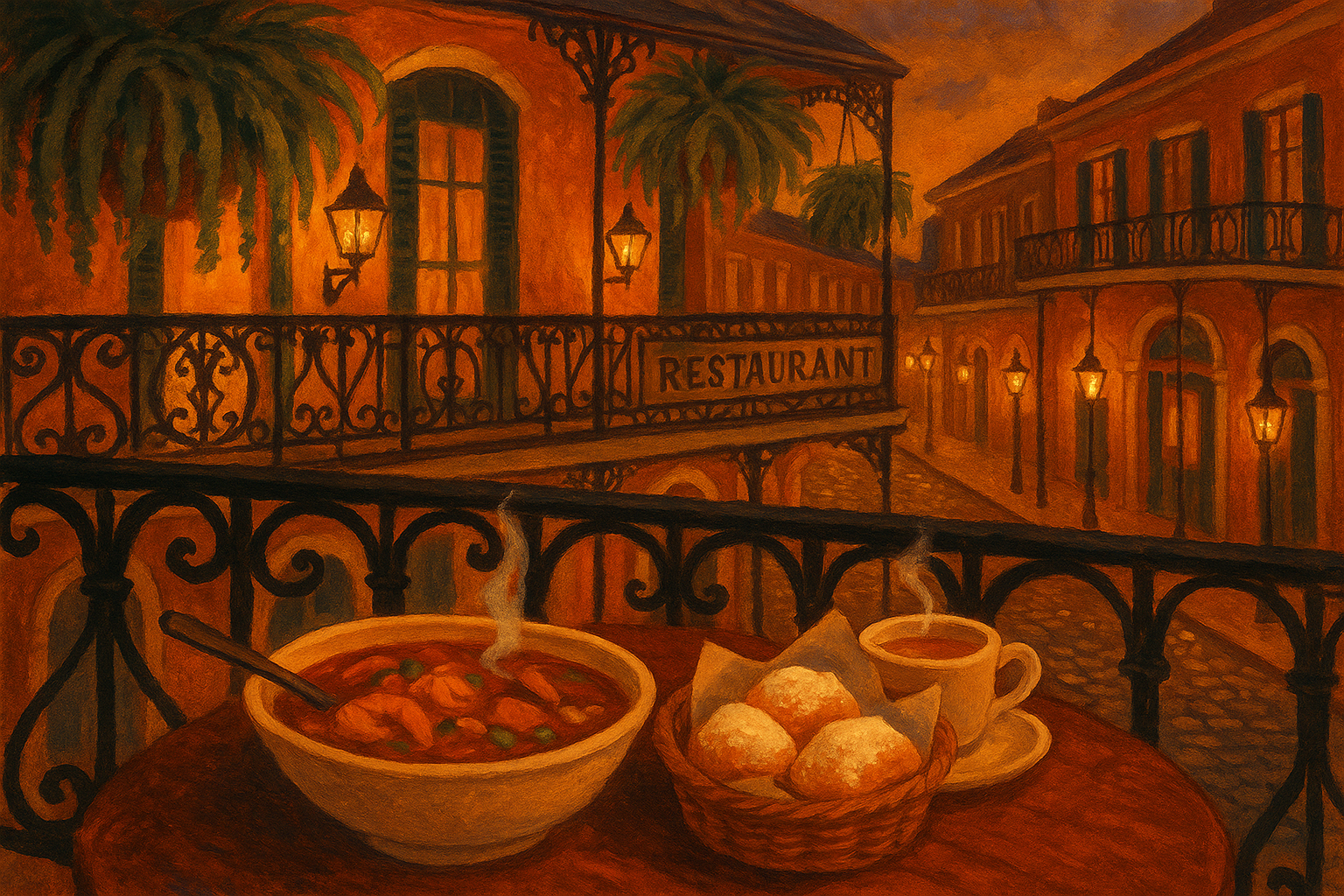
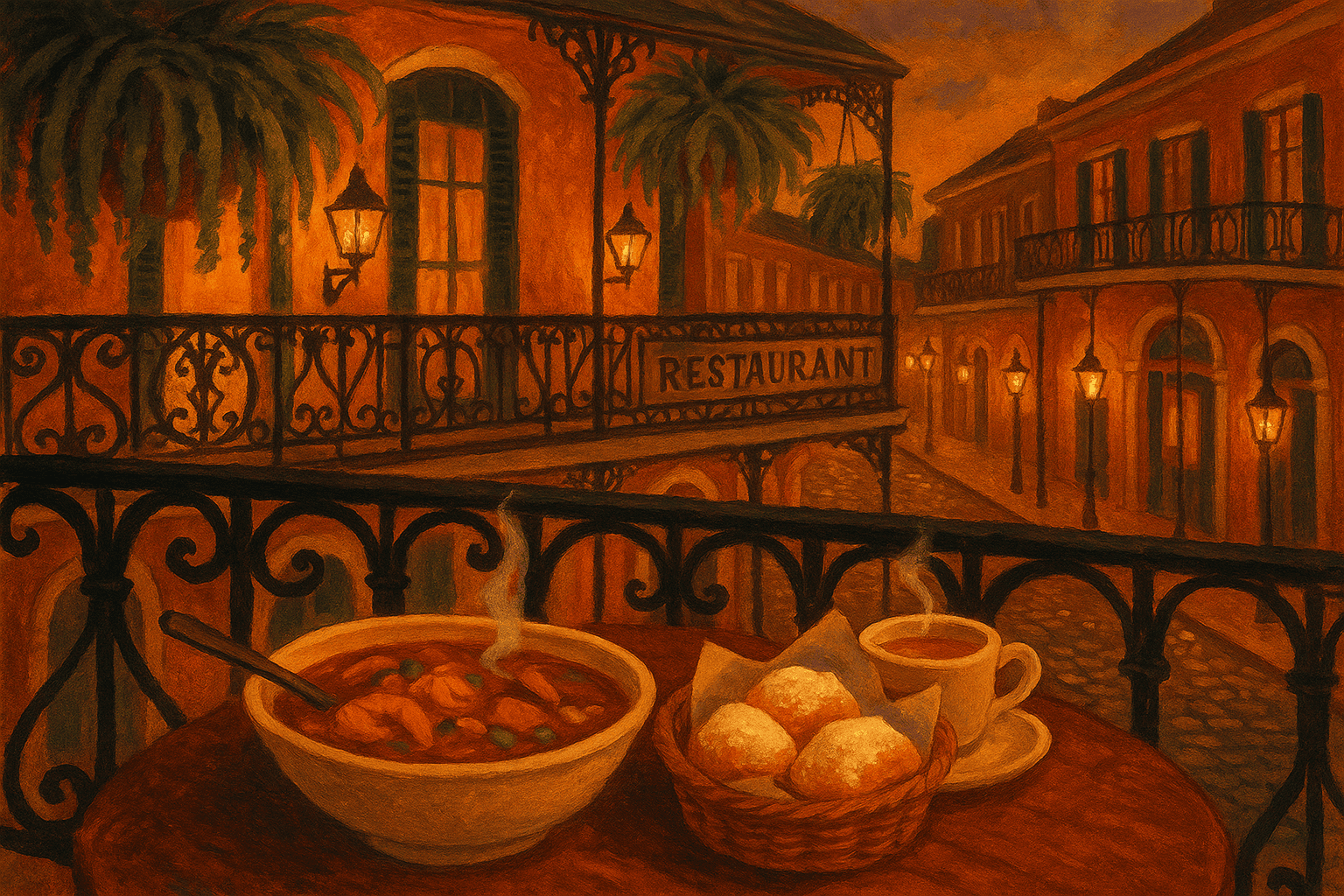
New Orleans doesn't just have a food scene — it is the food scene. Ask a local where to eat and they won't give you a short list; they'll give you the story of the dish, the block it came from, and the argument they had last week with a friend who disagrees about the best po'boy in town. In few other cities on earth does food carry this much identity.
The cuisine of New Orleans is the result of three centuries of cultural collision: French colonists, Spanish governors, West African cooks, Sicilian immigrants, Choctaw traders, and Caribbean influences all left permanent marks on the menu. What emerged — Creole and Cajun cooking — is one of America's most distinctive regional food cultures, and the city itself remains its greatest expression.
This guide organizes where to eat in New Orleans by neighborhood and culinary tradition, covering everything from centuries-old French Quarter institutions to the Mid-City soul food temples and the modern restaurants rewriting the rules. Whether you have two days or two weeks, eat as much as you can. In New Orleans, skipping a meal is considered a personal failing.
If you're still planning your trip, check out our full guide to things to do in New Orleans for everything beyond the table.
The NOLA Food Bible: Dishes You Must Try First
Before you sit down anywhere, understand what you're about to eat. New Orleans cuisine is not one thing — it's the layered result of French, Spanish, African, Native American, and Sicilian traditions cooking together over 300 years.
Beignets
The beignet is Louisiana's state doughnut, introduced by French colonists in the 18th century and now inseparable from the city's identity. A beignet is a square of fried dough blanketed in powdered sugar — delicious, fleeting, and aggressively messy. The place to eat them is Café du Monde, which has been frying them since 1862 and shows no signs of slowing down. Wear dark clothes. Order a café au lait. Accept the powdered-sugar consequences.
Gumbo
Gumbo is the official state dish of Louisiana, and understanding it separates the food tourist from the food traveler. A proper gumbo starts with a dark roux — flour and fat cooked low and slow for up to an hour until it reaches the color of dark chocolate. From that base, it builds: the "holy trinity" of onion, celery, and bell pepper; okra or filé powder for thickening; then seafood, andouille sausage, or chicken. Creole gumbo (the New Orleans style) often includes tomatoes; Cajun gumbo from the rural parishes typically does not.
Po'boys
The po'boy is New Orleans' great working-class sandwich: a split baguette of Leidenheimer bread stuffed with fried shrimp, oysters, roast beef and debris gravy, catfish, or soft-shell crab, then "dressed" with shredded lettuce, tomato, pickles, and mayo. The argument over who makes the best po'boy in the city is unresolvable and deeply held. Join it.
Muffuletta
A Sicilian immigrant's contribution to the city, the muffuletta is a round sesame-studded loaf layered with salami, mortadella, ham, Swiss, provolone, and — most critically — a bright, briny, garlicky olive salad. Central Grocery & Deli invented it in 1906 and still makes the defining version. Order a half (it feeds one generously) or a whole (it feeds two, comfortably).
Oysters & Gulf Seafood
New Orleans sits at the mouth of the Mississippi on the Gulf of Mexico, and its menus reflect that geography relentlessly. Raw oysters on the half shell, chargrilled oysters bathed in garlic butter and parmesan, barbecue shrimp (Gulf shrimp sautéed in a buttery, peppery Worcestershire sauce — nothing to do with a grill), crawfish étouffée, and fresh Gulf fish dominate every menu worth visiting. If you eat one thing from the sea, make it chargrilled oysters.
Jambalaya and Red Beans & Rice
Jambalaya reflects the city's entire heritage in one pot: Spanish rice technique, French aromatics, African spice tradition. Red beans and rice — slowly simmered kidney beans with andouille, served over white rice — is Monday's dish by historic convention (cooked on washday, when the stove could simmer unattended all morning) and still a weekly ritual at dozens of restaurants across the city.
French Quarter: Where Culinary History Lives
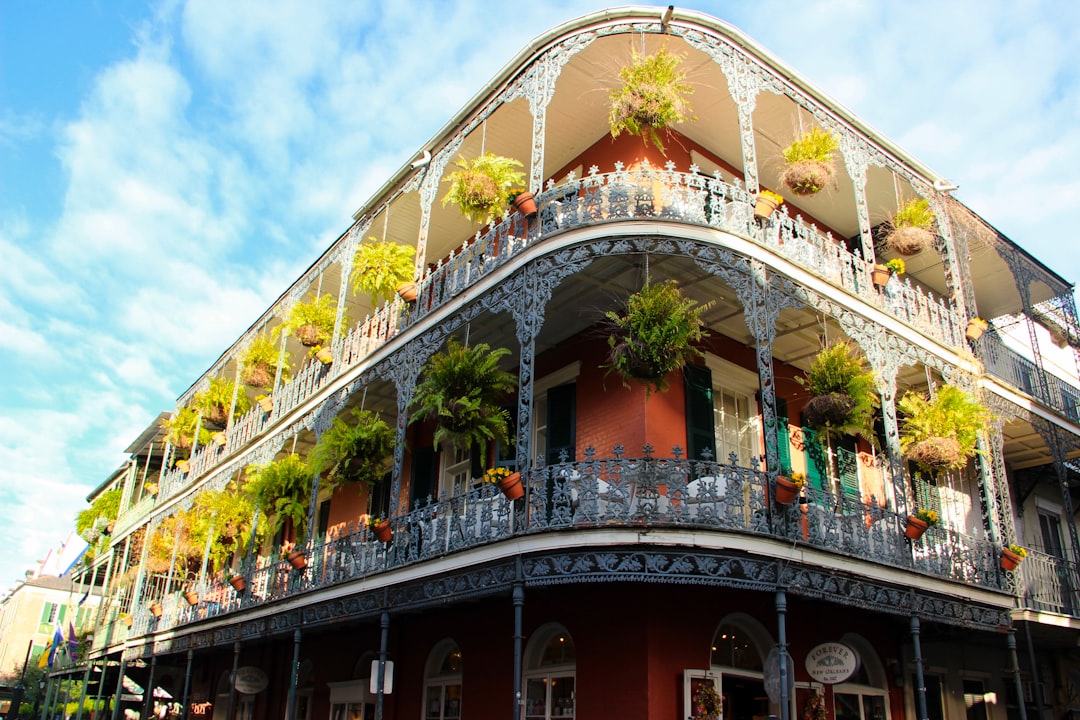 Photo by Aya Salman on Unsplash
The French Quarter is the oldest neighborhood in New Orleans and the epicenter of its restaurant history. Bourbon Street skews toward tourists and frozen daiquiris — but step one block off in either direction and you'll find institutions that predate the Civil War, places that have fed presidents, writers, and jazz musicians for generations.
The best restaurants in New Orleans' French Quarter combine legendary history with food that still earns its reputation today.
Café du Monde
Open since 1862, Café du Monde is the most iconic café in New Orleans. The open-air seating area faces Jackson Square and the Mississippi River; the menu consists of beignets, café au lait, hot chocolate, and iced coffee. That's it. The simplicity is the point. Lines form constantly; they move fast. Bring cash — cards are not accepted. Best visited at dawn or after midnight, when the crowd thins and the river air comes through.
800 Decatur St, French Quarter
Antoine's Restaurant
Established in 1840, Antoine's is not just the oldest restaurant in New Orleans — it is the oldest family-run restaurant in the United States. Founded by French immigrant Antoine Alciatore, it's the birthplace of Oysters Rockefeller: oysters on the half shell baked with a creamy green herb sauce whose recipe remains a family secret. Every order served since opening has been counted; diners receive a postcard with their place in that lineage (well past four million and counting). The French-Creole menu is unapologetically classic. Reserve well in advance.
713 St Louis St, French Quarter
Galatoire's
Open since 1905, Galatoire's is the temple of the New Orleans Friday lunch. Regulars — true regulars who have held the same tables for decades — arrive before opening and stay long, working through crab Maison (jumbo lump crab with green onions, capers, and Creole mustard aioli), trout meunière amandine, and Creole classics. The ground-floor dining room runs on a first-come, first-served basis with no reservations; the line that forms on Friday mornings is its own NOLA tradition. Jackets required for men after 5 p.m.
209 Bourbon St, French Quarter
Arnaud's Restaurant
Founded in 1918 by Arnaud Cazenave, a French wine salesman, Arnaud's occupies a turn-of-the-century dining room with crystal chandeliers, columns, and Italian mosaic floors. The Sunday jazz brunch — a three-course prix fixe with live Dixieland music — is one of the finest morning meals in the city. The shrimp Arnaud with rémoulade is the dish to order. Book weeks ahead for brunch.
813 Bienville St, French Quarter
Central Grocery & Deli
Not a restaurant — a counter, a deli case, and a century-old sandwich tradition. Central Grocery opened in 1906 and invented the muffuletta; their version remains the benchmark. Order at the counter, sit wherever you can find space, eat it immediately. The olive salad improves everything it touches.
923 Decatur St, French Quarter
Garden District & Uptown: White Tablecloths and James Beard Winners
Cross Canal Street and the city's character shifts. The Garden District and Uptown are home to New Orleans' most decorated fine-dining institutions — places that have shaped American restaurant culture, not just local cuisine.
Commander's Palace
The most celebrated restaurant in New Orleans by most measures. Commander's Palace has stood at the corner of Washington Avenue and Coliseum Street since 1893, earned seven James Beard Awards, and launched the careers of chefs including Emeril Lagasse and Paul Prudhomme. The Haute Creole menu centers on Commander's turtle soup (finished tableside with sherry), veal tenderloin, and the legendary Creole bread pudding soufflé. Sunday jazz brunch — which famously offers $0.25 martinis at lunch service — is a New Orleans institution in its own right. Reserve weeks in advance; dress accordingly.
1403 Washington Ave, Garden District
Coquette
A contemporary Southern restaurant in a historic double-shotgun cottage on Magazine Street, Coquette is one of the most exciting dining rooms in the Garden District. The kitchen focuses on local and seasonal Louisiana ingredients reimagined with modern technique — think Gulf fish preparations that change weekly, housemade charcuterie, and desserts that punch above their weight. Consistently rated among the city's best by both locals and national food press.
2800 Magazine St, Garden District
La Petite Grocery
A 19th-century converted grocery store in Uptown housing one of the city's most exciting modern Creole kitchens. Chef Justin Devillier's menu bridges Louisiana tradition and contemporary technique; the blue crab beignets — a savory riff on the French Quarter classic — are the dish people return for specifically. Dinner reservations are strongly recommended.
Lilette
A quietly exceptional French-Italian bistro on Magazine Street that locals consider something of a secret (though the consistently full reservations suggest otherwise). The menu changes seasonally; the room is intimate without being precious; the service is warm and unhurried. One of the best neighborhood restaurants in the city.
Mid-City & Tremé: The Soul of New Orleans Food
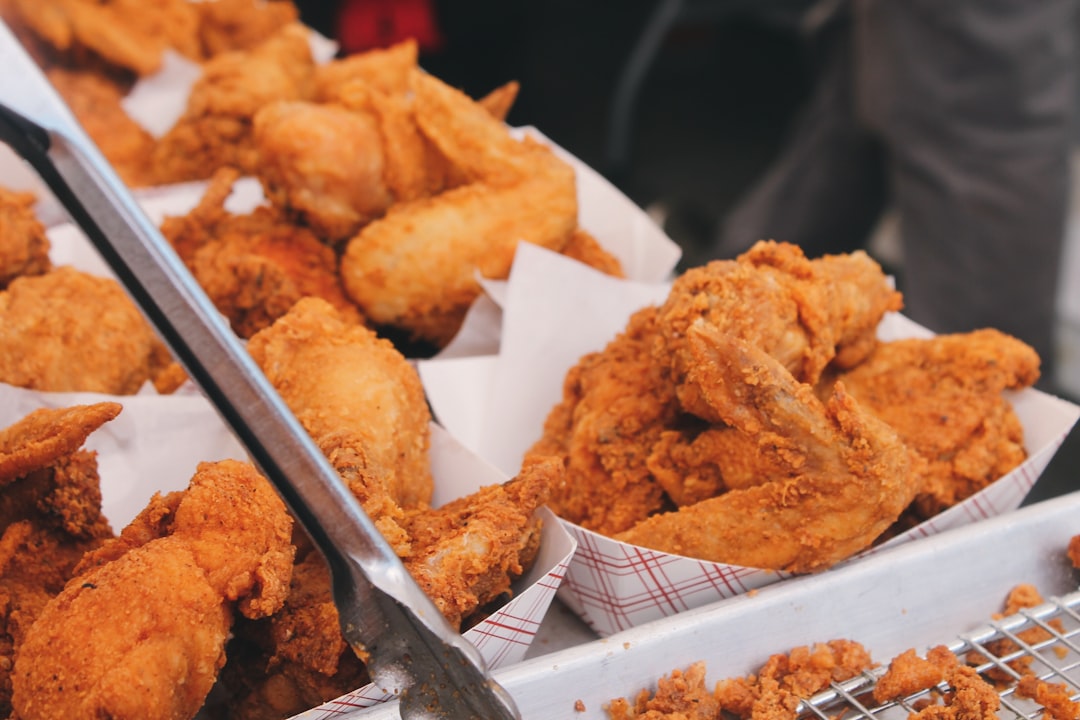 Photo by Brian Chan on Unsplash
If the French Quarter is where New Orleans performs its food culture, Mid-City and the Tremé are where it lives it. These neighborhoods — historic, working-class, deeply rooted — produced some of the most legendary names in the city's culinary history. This is where locals eat.
Dooky Chase's Restaurant
Leah Chase — who ran this restaurant until her death in 2019 at age 96 — is as important to New Orleans food history as any chef the city has produced. Her Creole soul food fed civil rights leaders during a time when integrated dining was illegal in Louisiana, and she cooked for every U.S. president from Eisenhower to Obama. The restaurant remains open, run by the Chase family, serving fried chicken, red beans and rice, gumbo z'herbes (a traditional Creole green gumbo made on Holy Thursday), and the Creole standards Leah refined over seven decades. Eating here is not optional if you're serious about the city.
2301 Orleans Ave, Tremé
Willie Mae's Scotch House
Willie Mae Seaton's restaurant earned a James Beard American Classic Award in 2005, confirming what Mid-City had always known. The fried chicken — crispy, deeply seasoned, with juices that run clear and hot — is one of the best in the country. The room is unassuming; the wait can be long (arrive before opening); the experience is non-negotiable for any serious eater in New Orleans.
2401 St Ann St, Mid-City
Liuzza's by the Track
A Mid-City neighborhood tavern near the Fairgrounds (home of Jazz Fest), Liuzza's has been operating the same way for decades. The BBQ shrimp po'boy — Gulf shrimp in a buttery, peppery, Worcestershire-spiked sauce stuffed into a toasted baguette — is the move. Cold Abita beer. Checkered tablecloths. No pretension whatsoever.
1518 N Lopez St, Mid-City
Marigny & Bywater: Where Locals Go After Dark
Downriver from the French Quarter, the Marigny and Bywater neighborhoods are where New Orleans' creative class eats on their nights off. The restaurants are looser in style and often more adventurous in the kitchen.
Bacchanal Wine
Technically a wine shop, practically one of the best evening experiences in New Orleans. The model: choose a bottle from the retail shelves at shop prices, carry it to the outdoor courtyard, order plates from the kitchen (rotating charcuterie, cheeses, small dishes of whatever's excellent that week), and stay for the live jazz that fills the yard most nights. The informality is total; the food is genuinely excellent; the atmosphere is unlike anything else in the city. Arrive early for a courtyard table.
600 Poland Ave, Bywater
Frenchmen Street
One block from the French Quarter but a world apart in energy. Frenchmen Street is the city's live music spine — the Spotted Cat, d.b.a., and Snug Harbor anchor the scene — and the sidewalk food stalls and nearby restaurants keep you fed until well past midnight. It's not a dining destination in the traditional sense, but eating here while jazz spills out of every doorway is one of New Orleans' defining experiences.
Modern New Orleans: Award-Winning Chefs Reinventing the Classics
Since the Michelin Guide arrived in New Orleans, a generation of chefs has staked their claim alongside the century-old institutions. These restaurants combine deep Louisiana tradition with contemporary ambition.
Pêche Seafood Grill
Donald Link's wood-fired seafood restaurant in the Warehouse District earned a James Beard Award for Best New Restaurant at opening and has remained one of the South's most celebrated tables. The whole roasted fish, chargrilled oysters, and smoked tuna dip anchor the menu; the sourcing is impeccably Gulf-local. The room is casual and lively; the cooking is serious.
800 Magazine St, Warehouse District
Herbsaint Bar and Restaurant
Link's flagship restaurant leans French bistro with deep Louisiana roots: duck and andouille gumbo, Gulf fish with seasonal produce, housemade pasta that has no business being this good at a Louisiana bistro. One of the most consistent, satisfying restaurants in the city — and one of the better deals in fine dining if you catch the lunch menu.
701 St Charles Ave, CBD
Compère Lapin
Chef Nina Compton's Caribbean-meets-Creole kitchen in the Old No. 77 Hotel is one of the most exciting dining rooms in New Orleans. Her curried goat with sweet potato gnocchi — a dish that summarizes her St. Lucian heritage and her adopted city in one bowl — is the signature. Compton is a James Beard Award winner; the cocktail program matches the kitchen's ambition.
Willa Jean
Chef Kelly Fields' bakery-restaurant in the CBD is the best answer to "where should we have breakfast?" in the central city. The biscuits alone justify a visit; the grain bowls and lunch plates are better than a bakery counter has any right to be. Expect a wait on weekend mornings.
Budget Bites: Eating Well in New Orleans Without Spending a Fortune
Some of the best meals in New Orleans cost under $15. The city's culinary soul is not locked behind white tablecloths — the best affordable restaurants in New Orleans have been feeding locals for generations.
Johnny's Po-Boys (511 St Louis St, French Quarter) — Open since 1950, still family-owned, still stuffing baguettes to overflowing. Order the roast beef with debris gravy.
Mother's Restaurant (401 Poydras St, CBD) — Cafeteria-style, perpetually busy, serving po'boys, jambalaya, and red beans since 1938. The Ferdi Special — roast beef, ham, and debris — requires two hands and a stack of napkins. Budget $12–15 per person.
Café Reconcile (1631 Oretha Castle Haley Blvd, Central City) — A community café that trains young people in culinary and hospitality skills while serving outstanding Southern home cooking: smothered chicken, bread pudding, red beans that taste like they've been on the stove since Tuesday. Lunch only on weekdays. One of the most meaningful meals you'll have in this city.
Street food on Frenchmen Street — If you're in the Marigny after 10 p.m. and need something that isn't a sit-down dinner, the food stalls near the music venues are solid. Grab a plate of jambalaya and find a doorway where a band is playing.
Practical Tips: How to Eat in New Orleans Like a Local
Reserve ahead for the classics. Commander's Palace, Antoine's, Galatoire's upstairs, and Arnaud's Sunday brunch fill up weeks in advance, especially around Jazz Fest (late April–early May) and Mardi Gras. Book as early as your dates are confirmed.
Carry cash. Café du Monde is cash-only. So are many po'boy counters, market vendors, and late-night food stalls. Keep $20–40 in your pocket at all times.
Eat late. New Orleans runs on a later schedule than most American cities. Dinner before 7 p.m. is considered early; the best energy builds after 8. Late-night eating — at Bacchanal's courtyard, at Frenchmen Street stalls, at the 24-hour Café du Monde — is part of the experience.
Know your Cajun from your Creole. Creole cuisine developed in urban New Orleans, blending French, Spanish, African, and Native American influences; it typically features butter, tomatoes, and refined technique. Cajun cooking comes from rural Acadiana — earthier, spicier, built around pork fat and a dark roux without tomato. Both traditions appear throughout New Orleans restaurants, often side by side.
Don't skip a meal. In New Orleans, this is a genuine cultural failing.
FAQ: Eating in New Orleans
What is the most famous food in New Orleans? Beignets are the most internationally recognizable dish, thanks in large part to Café du Monde. But gumbo is the official state dish of Louisiana and the most deeply rooted food in the city's culture. Locals would add the po'boy and the muffuletta to any short list of defining New Orleans dishes.
Where do the locals eat in New Orleans? Away from Bourbon Street. Mid-City (Willie Mae's Scotch House, Liuzza's by the Track), the Tremé (Dooky Chase's), Bywater (Bacchanal Wine), and Uptown (Commander's Palace, La Petite Grocery, Lilette, Coquette) are where residents eat regularly. Frenchmen Street — not Bourbon — is the right address for a late night combining food and live music.
What is the difference between Cajun and Creole food? Creole cuisine developed in urban New Orleans, mixing French, Spanish, African, and Native American cooking traditions; it tends to use butter, tomatoes, and more refined techniques. Cajun food originated in the rural Acadiana parishes; it's spicier, built around pork fat and a very dark roux, and typically prepared without tomatoes. Both traditions are deeply embedded in New Orleans restaurants.
How much should I budget for food in New Orleans? You can eat very well on $40–60 per day combining breakfast at a neighborhood café, a po'boy or muffuletta for lunch, and a moderately priced dinner. A mid-range dinner at a neighborhood restaurant runs $40–70 per person with drinks. Fine dining at Commander's Palace or Antoine's costs $100–150+ per person with wine. Some of the city's best meals — Willie Mae's fried chicken, a Central Grocery muffuletta — cost under $20.
Is New Orleans worth visiting just for the food? Absolutely. New Orleans ranks consistently among the top food cities in the United States and has one of the most distinctive culinary identities of any city in the world. The combination of historic depth, cultural layering, and active culinary innovation makes it unlike anywhere else in America. Plan to eat more than you think you can — and come back hungry.
Want to build your own spot list?
Join Spotli.st and share your favorite places with the world.
Create my free account