How Many Days Do You Really Need in Washington DC?
How many days do you need in Washington DC? 3–4 days covers the National Mall, Smithsonian museums & neighborhoods. Full itinerary + tips inside.
How Many Days Do You Really Need in Washington DC?
Short answer: 3 to 4 days gives most visitors exactly what they need to experience Washington DC without feeling rushed or overwhelmed. That said, the right number depends entirely on your travel style, interests, and pace. A hyper-focused weekend traveler can hit the essentials in 2 days; a history enthusiast who wants to explore every Smithsonian wing could justify a full week.
This guide breaks down exactly what you'll see — and what you'll miss — at each time frame, so you can plan your DC trip with total confidence.
The Short Answer: 3–4 Days Is the Sweet Spot
Three to four days in Washington DC lets you cover the city's big three pillars: the National Mall and monuments, the Smithsonian museums, and at least one or two distinct neighborhoods — all without sprinting from site to site.
Here's why 3–4 days hits the mark:
- The National Mall alone deserves a full day. It stretches 2 miles from the Lincoln Memorial to the Capitol, with the Washington Monument, Vietnam Veterans Memorial, Korean War Veterans Memorial, WWII Memorial, and more dotted along the way.
- DC has 19 free Smithsonian museums and galleries. You can't see them all, but 3–4 days gives you time to pick your top three or four and actually absorb what you're seeing.
- Neighborhoods like Georgetown, Dupont Circle, Capitol Hill, and The Wharf each have a distinct personality worth exploring — and at least one of them deserves a proper afternoon, not a rushed hour.
If you have only 3 days, you'll leave DC feeling satisfied. With 4, you'll feel like you actually lived there for a moment.
Is 2 Days Enough for Washington DC?
Yes — just barely. Two days works if your priorities are sharp and your feet are fast. You can realistically cover:
- A full morning-to-evening tour of the National Mall and its monuments
- One or two Smithsonian museums (the National Air and Space Museum and the Natural History Museum are the most popular picks)
- A walk through Capitol Hill or a stroll along Georgetown's canals
What you'll miss: depth. Two days in DC feels like reading the Wikipedia summary of a 500-page book. You'll see the Washington Monument, but you won't have time to queue for the elevator ride to the top. You'll pass through Georgetown but won't linger over a canal-side lunch.
Two days works well for: return visitors who've already seen the monuments, travelers catching a connection, or anyone adding DC as an extension to another East Coast city.
Two days is too tight for: first-timers, families with children (who need a slower pace), and anyone with a serious interest in history, politics, or art.
The Ideal 3-Day Washington DC Itinerary
Three days is the most popular trip length — and for good reason. Here's how to structure it for first-timers. For a deeper look at the city's full range of experiences, our complete guide to things to do in Washington DC covers every neighborhood and attraction in detail.
Day 1: The National Mall & Monuments
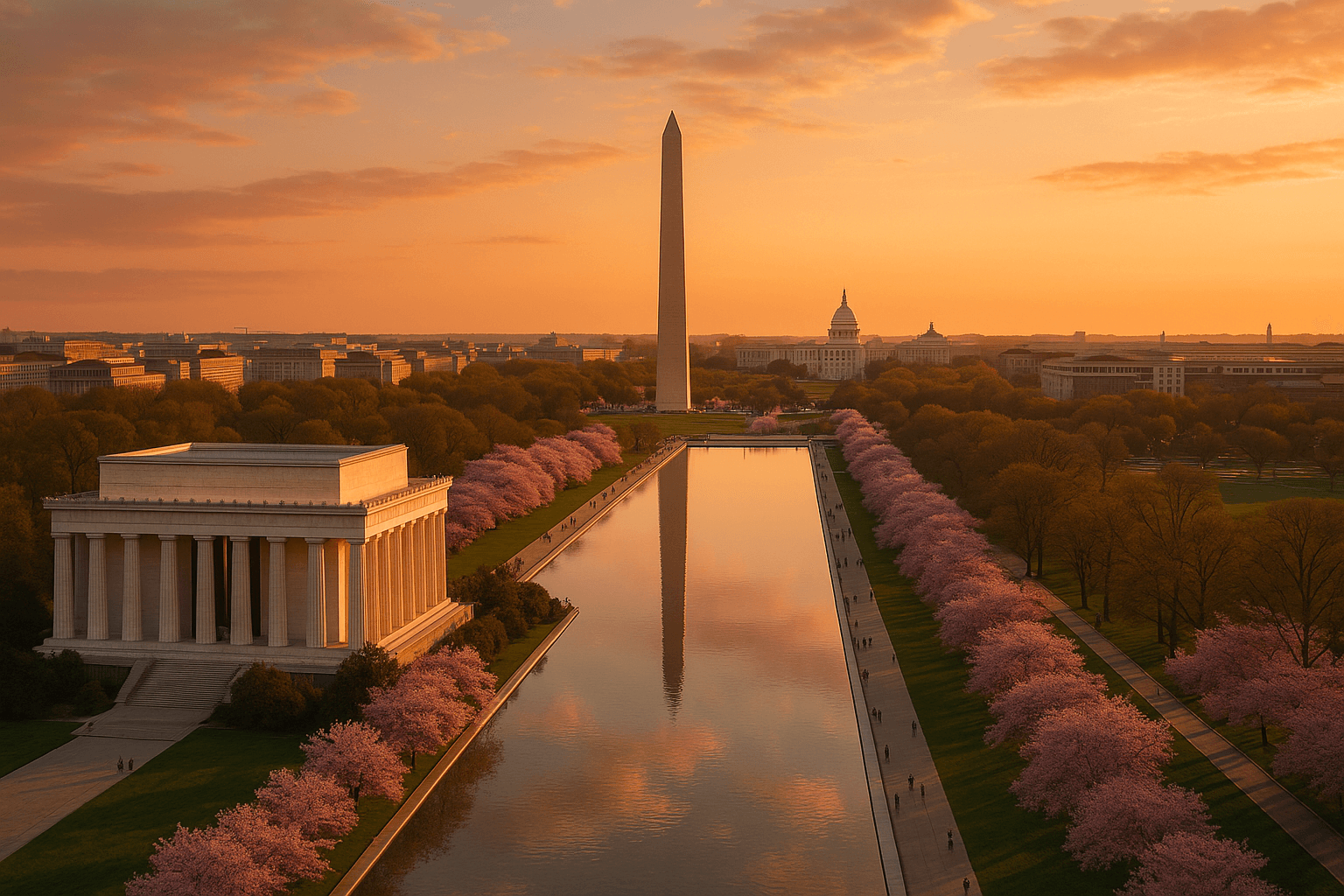
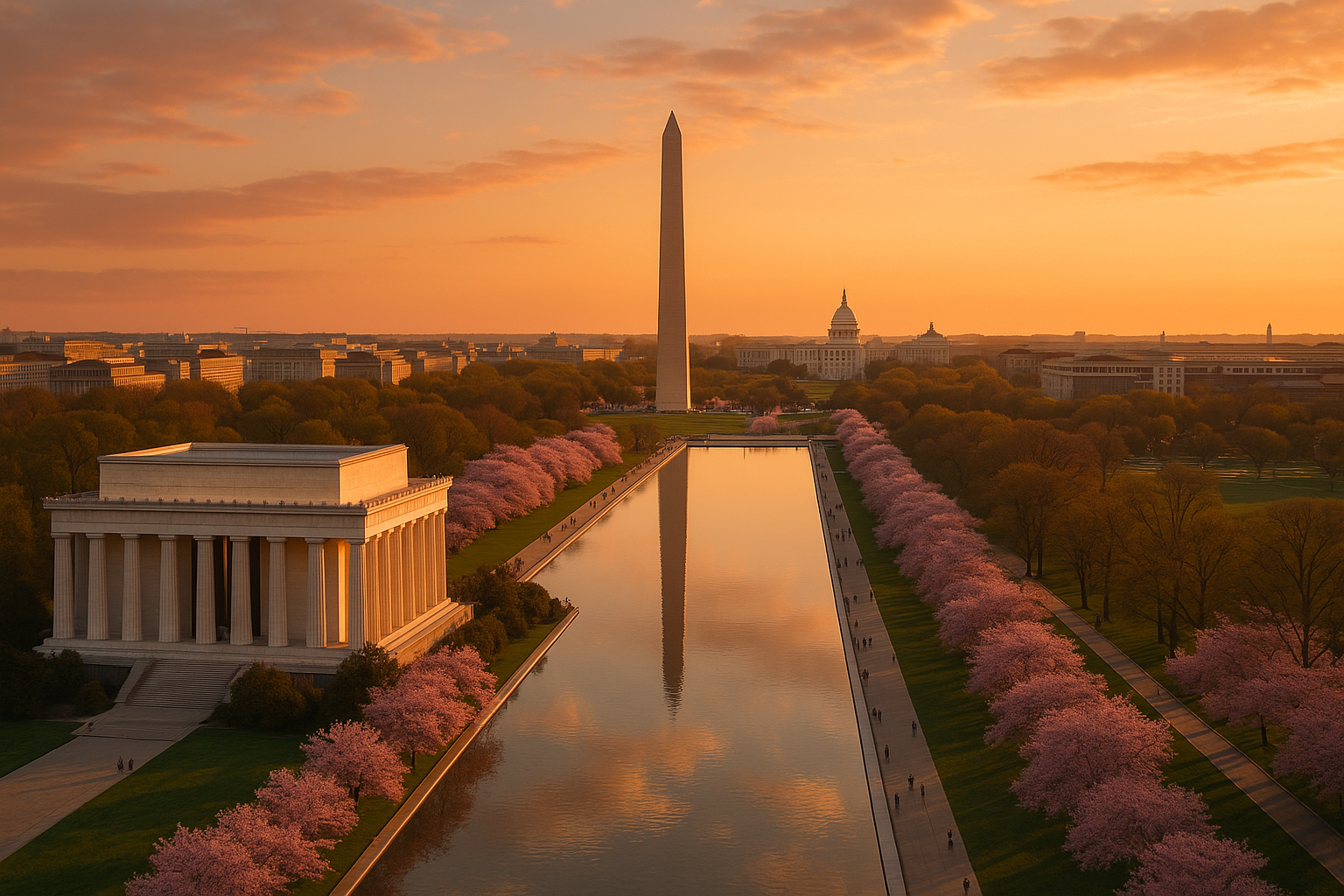
Start early. The National Mall is best in the morning before crowds build, and the light on the Reflecting Pool at sunrise is genuinely stunning.
Morning:
- Begin at the Lincoln Memorial (open 24/7, free) — read the Gettysburg Address inscribed on the south chamber wall, then turn around for the iconic view down the Mall.
- Walk east along the Reflecting Pool to the Washington Monument. Book timed-entry passes in advance (free, via recreation.gov — they sell out weeks ahead in peak season).
- Continue to the WWII Memorial, a solemn and moving open-air tribute to the 16 million Americans who served in World War II.
Afternoon:
- Head to the Vietnam Veterans Memorial — the contrast between its minimalist black granite design and the weight of 58,320 names inscribed on it is unforgettable.
- Walk to the nearby Korean War Veterans Memorial, often less crowded and equally powerful.
- Finish the Mall walk at the US Capitol (exterior). Tours of the interior are free but require advance reservation through your Congressional representative's office.
Evening:
- Dinner in Capitol Hill or Penn Quarter. Both neighborhoods have strong restaurant scenes within easy walking distance of the Mall.
Pro tip: most monuments on the Mall are open and beautifully lit after dark — a second evening stroll is a completely different, equally rewarding experience.
Day 2: Smithsonian Museums & Capitol Hill
The Smithsonian Institution operates 19 museums in DC, and they're all free. You cannot see them all in a week — don't try. Pick two or three based on your interests.
Top picks for first-timers:
- National Air and Space Museum — one of the most visited museums in the world. The Wright Flyer, Apollo 11 command module, and exhibits on space exploration are all here.
- National Museum of Natural History — the Hope Diamond, a massive African elephant in the rotunda, and exceptional dinosaur halls.
- National Museum of American History — the original Star-Spangled Banner, a re-created 1950s diner, and the Julia Child kitchen.
- National Museum of African American History and Culture — opened in 2016 and widely regarded as one of the most powerful museum experiences in the United States. Free timed-entry passes are required and book up weeks in advance at si.edu.
Afternoon:
- Explore Capitol Hill on foot. The covered Eastern Market (open weekends, smaller market on weekdays) is a DC institution with local food vendors and artisan stalls. The neighborhood's Victorian rowhouses and tree-lined streets are among the prettiest in the city.
Evening:
- Dinner along Barracks Row (8th Street SE), Capitol Hill's main restaurant corridor — a mix of Ethiopian, Asian, and American spots at all price points.
Day 3: Georgetown, Dupont Circle & the Wharf
Day 3 is when DC stops feeling like a field trip and starts feeling like a real city.
Morning — Georgetown:
- Start with coffee on M Street NW, Georgetown's main commercial strip, before the crowds arrive.
- Walk down to the C&O Canal towpath for a flat, scenic stroll along the historic 184.5-mile canal that runs all the way to Cumberland, Maryland.
- Browse the independent boutiques and bookshops along Wisconsin Avenue.
- Note: Georgetown has no Metro stop — take the Metro to Foggy Bottom and walk 15 minutes, or use a rideshare.
Afternoon — Dupont Circle:
- The Phillips Collection, DC's first modern art museum (admission charged, roughly $16), is small enough to see in two hours and houses an exceptional Renoir collection.
- The neighborhood's sidewalk café culture and the grand mansions of Embassy Row make for excellent wandering.
Evening — The Wharf:
- DC's renovated Southwest Waterfront has transformed the city's dining scene since opening in 2017. Sunset over the Potomac from the pier is hard to beat.
- Maine Avenue Fish Market, the oldest open-air fish market in the US (continuously operating since 1805), is right here — a plate of steamed blue crabs with Old Bay seasoning is the quintessential DC food experience.
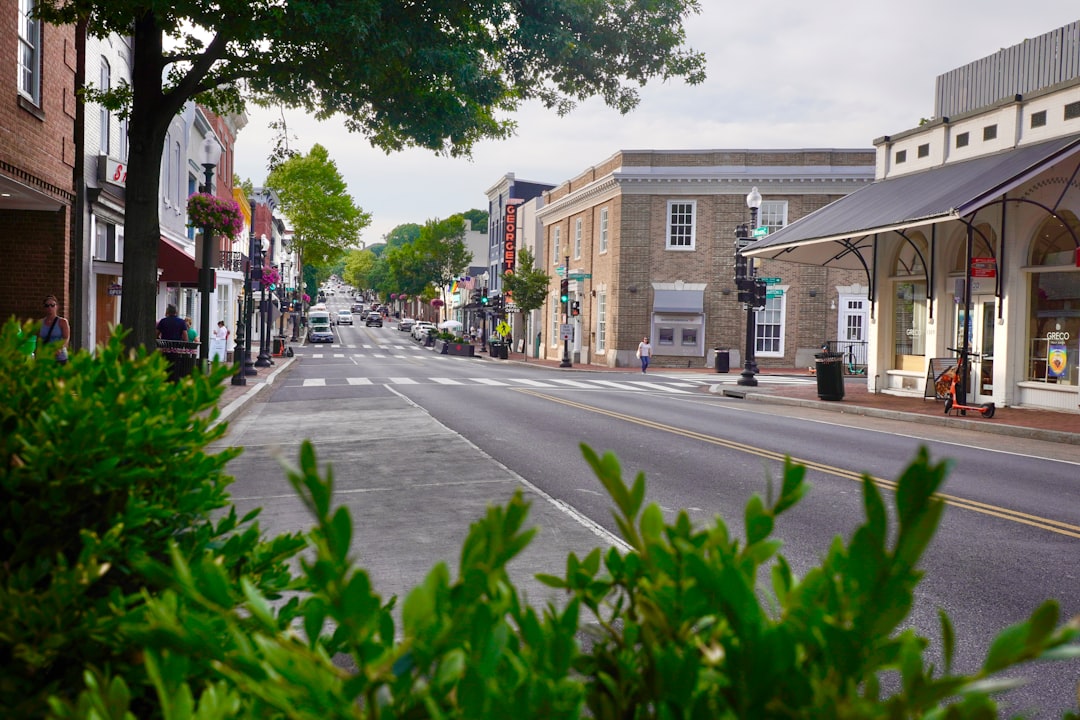 Photo by Brett Wharton on Unsplash
What You Gain With 4–5 Days in DC
A fourth (and fifth) day in Washington DC opens up experiences that are genuinely different from the Mall-and-museums circuit.
Day 4 options:
- Arlington National Cemetery (across the Potomac in Virginia) — the Tomb of the Unknown Soldier with its ceremonial changing of the guard, JFK's eternal flame, and the graves of over 400,000 veterans. Plan 2–3 hours minimum. It's more emotionally affecting than most visitors expect.
- Library of Congress — the most beautiful building in DC that most tourists never enter. Free guided tours reveal stunning Italian Renaissance interiors and the world's largest library collection (173 million items). The Main Reading Room alone is worth the trip.
- National Archives — see the original Declaration of Independence, US Constitution, and Bill of Rights displayed under protective glass in the Rotunda for the Charters of Freedom.
- Day trip to Mount Vernon — George Washington's estate sits on the Potomac about 16 miles south of DC. Manageable by bus, boat tour, or rideshare. A full visit takes 3–4 hours and is worth every minute for history lovers.
Day 5 options:
- National Zoo (free, run by the Smithsonian) — excellent for families; the giant pandas and great ape house are the headline attractions.
- Rock Creek Park — 1,754 acres of urban forest running through northwest DC, with hiking trails, a planetarium, a nature center, and a Civil War-era fort (Fort DeRussy).
- Embassy Row walk — Massachusetts Avenue between Dupont Circle and Observatory Circle passes more than 50 embassy buildings in a two-mile stretch. The architecture ranges from grand Beaux-Arts mansions to modernist diplomatic complexes.
- Day trip to Annapolis — Maryland's colonial capital and home of the US Naval Academy is 30 miles east of DC. A half-day trip by bus or car, with excellent seafood and well-preserved 18th-century streetscapes.
How DC's Free Museums Change Your Entire Trip Budget
One of Washington DC's most remarkable features — and one that fundamentally affects how you plan your visit — is that the entire Smithsonian Institution is completely free. No tickets, no entry fees, no membership required.
This changes the calculus compared to cities like New York, where major museum admission runs $25–$35 per person, or London, where the free museums are counterbalanced by steep transport costs. In DC, your biggest expenses are accommodation, food, and getting around — not attractions.
Practically, this means:
- You don't need to rush. If you only want to see the Hope Diamond and the ocean hall at Natural History, spend an hour and leave. You don't need to "get your money's worth."
- You can pop in and out. See Air and Space in the morning, grab lunch from a Mall food truck, duck into the Hirshhorn Sculpture Garden for 30 minutes in the afternoon.
- Your per-person daily cost is dramatically lower than in comparable cities. Budget $60–$100/day per person for food and incidentals; the sights themselves won't dent your wallet.
Timed-entry exceptions to know:
- National Museum of African American History and Culture — free timed-entry passes required; book at si.edu as far in advance as possible.
- Washington Monument elevator — free passes required; book at recreation.gov weeks in advance during peak season.
- White House tours — free, but must be arranged through a Member of Congress, often months in advance.
What Is the Best Month to Visit Washington DC?
Late March to April and September to October are the best months to visit Washington DC — for distinct reasons.
Spring (late March–April): DC's famous National Cherry Blossom Festival runs from late March to mid-April when approximately 3,000 Japanese cherry trees around the Tidal Basin burst into bloom. The sight of pink blossoms framing the Jefferson Memorial and Washington Monument is genuinely iconic. It is also the single busiest two weeks of the year. Book accommodation 3–4 months ahead if you're targeting cherry blossoms.
Average April temperatures: highs around 65–68°F (18–20°C), occasional rain, very pleasant for walking. Peak bloom typically lasts just 4–10 days and depends heavily on weather — check the National Park Service forecast as your trip approaches.
Fall (September–October): September and October offer warm days, cool evenings, noticeably smaller crowds than spring or summer, and beautiful autumn light on the monuments. This is arguably the best time for adults visiting without school-schedule constraints. If you're building a broader East Coast fall trip, the best US cities to visit in fall 2026 pairs DC naturally with Boston and New York.
Summer (June–August): DC in July and August is hot and aggressively humid — highs regularly exceed 90°F (32°C). It's also peak tourist season, especially for families. Strategy: arrive at monuments by 7am (they're stunning and nearly empty), take a long midday break indoors (hello, free air-conditioned Smithsonians), and return in the evening when temperatures drop.
Winter (December–February): DC is genuinely underrated in winter. The Mall is uncrowded, museums are quiet, and the city is festive in December — the National Christmas Tree on the Ellipse, holiday markets near Union Station, and decorated embassy facades along Massachusetts Avenue. Average temperatures: 35–45°F (2–7°C). Cold but manageable with layers.
Practical Tips to Maximize Your Time in DC
Book timed passes well in advance. Washington Monument passes, NMAAHC entry passes, and Capitol/White House tours require advance reservation — sometimes months out. Don't assume you'll walk up and get in.
Use the Metro for anything beyond the Mall. DC's Metro is clean, reliable, and covers most tourist destinations. A SmarTrip card (reloadable tap card) is the simplest payment method. Airport-to-downtown fares run $3–$7 depending on time of day. Avoid driving — parking is expensive and scarce near the main sights.
Walk the Mall itself. The National Mall is 2 miles long, perfectly flat, and lined with monuments. Most of the major sites are within comfortable walking distance of each other. Plan comfortable shoes — you will log 8–12 miles of walking per day.
Stay central. Capitol Hill, Dupont Circle, Penn Quarter, and Foggy Bottom all offer easy Metro or walking access to the main sights. Georgetown is charming but adds a transport step since there's no Metro station.
Build in unscheduled time. The single most common trip-planning mistake in DC is overscheduling. The monuments and museums are more absorbing than people expect. Leave one half-day per 3-day trip completely open — you'll fill it naturally.
Eat beyond the Mall. The food truck scene on the Mall is convenient but not DC's best. Shaw, U Street, H Street NE, and the Wharf all have food scenes that rival any US city. Don't skip them.
 Photo by MIKE STOLL on Unsplash
FAQ
Is 3 days enough to visit Washington DC?
Yes — 3 days is the ideal length for a first visit. You can cover the National Mall and monuments (Day 1), two or three Smithsonian museums plus Capitol Hill (Day 2), and at least one neighborhood like Georgetown or the Wharf (Day 3). You won't see every museum, but you'll leave with a full, satisfying experience of what makes DC extraordinary.
Are 2 days enough for Washington DC?
Two days is workable but tight. You can cover the Mall highlights and one or two museums in 48 hours, but you'll feel rushed. It works best for return visitors or travelers adding DC as a stop on a longer East Coast trip. First-timers should try to extend to at least 3 days.
How many days do you need for Washington DC?
3 to 4 days is the sweet spot for most travelers. Three days covers the essentials at a comfortable pace; a fourth day lets you add Arlington Cemetery, the Library of Congress, or a day trip to Mount Vernon. Families with children, serious history enthusiasts, or anyone who wants to go deep into the Smithsonian collections will appreciate 5–6 days.
What is the best time of year to visit Washington DC?
Late March to April (cherry blossom season) and September to October (fall, with smaller crowds and beautiful light) are the best times. Spring Break weeks and the July 4th weekend are extremely crowded. Winter is underrated — quiet museums, low hotel rates, and a festive December atmosphere.
Can I visit Washington DC for free?
Largely, yes. All 19 Smithsonian museums are free. All monuments on the National Mall are free (some require free timed-entry passes booked in advance). The Library of Congress, National Archives, and Arlington National Cemetery are all free to enter. Your main costs will be accommodation, food, and Metro transport.
Is Washington DC walkable?
Very. The National Mall and monument circuit is entirely walkable, and most central neighborhoods connect easily on foot or via Metro. Georgetown is the one exception — it has no Metro stop and requires a 15-minute walk from Foggy Bottom station or a rideshare.
Planning a longer East Coast trip? Boston in 3 Days makes a natural pairing — it's 4.5 hours north by Amtrak and equally rewarding on a short itinerary.
Want to build your own spot list?
Join Spotli.st and share your favorite places with the world.
Create my free account