Boston in 3 Days: The Perfect Weekend Itinerary (2026)
The best 3-day Boston itinerary: Freedom Trail, Fenway Park, Harvard, the North End & Charlestown — with timestamps, insider tips, and a day-by-day plan for first-timers.
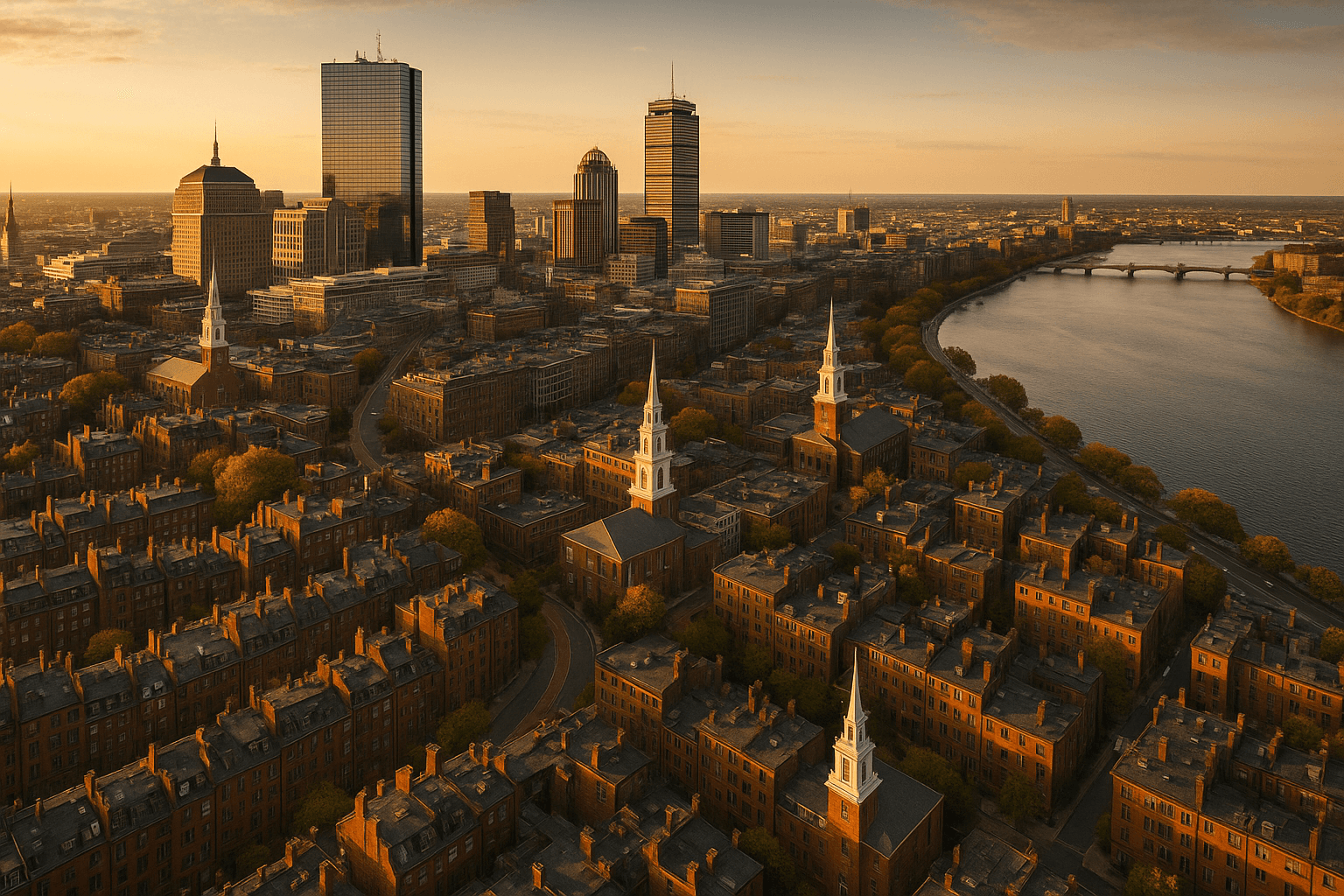
Three days in Boston is a gift. One of the most walkable major cities in the United States, Boston packs American history, world-class culture, an electric food scene, and one of the most famous sports venues on earth into a 48-square-mile footprint you can largely navigate on foot.
Whether you're arriving for a long weekend or using Boston as a base before venturing into the rest of New England, this itinerary covers everything: where to go each day, which restaurants to book in advance, how to use the T, and why fall is the best time to visit — by a wide margin.
Here's the complete 3-day Boston itinerary, structured by day and neighborhood so you're never backtracking unnecessarily.
Boston in 3 Days — Quick Reference
| Best time to visit | Late September–mid-October (peak foliage + playoff season) |
| Neighborhoods covered | Downtown · Beacon Hill · North End · Back Bay · Fenway · Seaport · Cambridge · Charlestown |
| Getting around | Mostly on foot; MBTA Red Line for Cambridge, Silver Line for the Seaport |
| Book in advance | Neptune Oyster · Giacomo's (arrive by 5:30 PM) · Mamma Maria · Fenway tickets |
| Daily steps | 12,000–16,000 — comfortable shoes are essential |
| Budget per person/day | ~$150 budget · ~$250 mid-range · $400+ splurge |
| First thing to do on arrival | Grab a CharlieCard at any T station — loads instantly, saves per ride |
Is 3 Days Enough to See Boston?
Yes — three days in Boston is enough to experience the city's essential highlights without feeling rushed. You'll walk the Freedom Trail, explore four distinct neighborhoods (Beacon Hill, Back Bay, the North End, and Charlestown), cross the Charles River into Cambridge to visit Harvard and MIT, tour or attend a game at Fenway Park, and still have evenings free for the city's excellent dining and bar scene.
What you won't fit in: every one of the Freedom Trail's 16 stops at a leisurely pace, a day trip to Salem or Cape Cod, and a thorough visit to every world-class museum. Four nights would open those options — but three nights makes for a deeply satisfying trip.
Boston sits between New York City to the south and the rest of New England to the north, making it an ideal anchor for a broader East Coast itinerary.
What to Know Before You Go
A few things that will make your 3-day Boston trip smoother from the start:
- Reserve restaurants now. Neptune Oyster and Giacomo's don't take reservations — arrive by 5:30 PM to avoid a long wait. Mamma Maria, Strega, and Troquet do take bookings; reserve at least a week ahead, especially in fall.
- Get a CharlieCard on arrival. Load it at any T station for $2.40/ride. It's the fastest, cheapest way to hop between neighborhoods and reach Cambridge.
- Check the Red Sox schedule. If Boston is playing a home game during your visit, buy Fenway tickets before you arrive — good seats disappear quickly in September and October.
- Pack comfortable shoes. You'll average 12,000–16,000 steps per day. The Freedom Trail alone is 2.5 miles of uneven red brick and cobblestone.
- Fall is peak season. Late September through mid-October means higher hotel rates — book 6–8 weeks in advance to get the best rooms at reasonable prices.
- The North End pastry debate is real. Locals will insist that Mike's Pastry and Modern Pastry are bitter rivals. You are expected to try both and form a strong opinion.
Day 1 — History, Bookshops & the North End
Neighborhoods: Downtown, Beacon Hill, the North End
Boston's historic core is where most first-time visitors spend the bulk of their time — and rightly so. This is where the city's colonial and revolutionary story is most tangible: you walk past the actual locations of events that changed American history, separated from those events by just two centuries and a sidewalk.
Morning: The Freedom Trail & Boston Common
9:00 AM — Start your first day at flour bakery (131 Clarendon St, Back Bay). Founded by chef Joanne Chang in 2000, flour is one of Boston's most beloved institutions. The sticky buns — soft, caramel-glazed, worth every calorie — are the signature item. The Boston cream pie (technically a sponge cake filled with pastry cream and topped with chocolate ganache, not a pie at all) is the best version in the city. Come early; the popular items sell out.
10:00 AM — From flour, walk 10 minutes to Boston Common and the adjacent Boston Public Garden. The Common, established in 1634, is America's oldest public park. The Public Garden features the famous swan boats that have operated since 1877. Together they form an 82-acre green heart at the center of the city. In fall the foliage is extraordinary; in spring Japanese cherry trees bloom around the lagoon; in summer outdoor concerts and farmers' markets animate the lawns.
10:45 AM — From the garden, pick up the red-brick line of the Freedom Trail — a 2.5-mile route connecting 16 of the city's most important Revolutionary-era sites. You don't need to visit every stop, but some are unmissable:
- Park Street Church (1809): The steeple was the first landmark sailors saw arriving from the harbor. William Lloyd Garrison delivered his first antislavery speech here in 1829.
- Granary Burying Ground: Over 5,000 Bostonians are buried here, including three signers of the Declaration of Independence — John Hancock, Samuel Adams, and Robert Treat Paine — as well as Paul Revere and the parents of Benjamin Franklin. The headstones, carved with winged skulls and hourglasses, are among the most evocative colonial artifacts in the country.
- King's Chapel (1688): The oldest surviving Anglican church in Boston, built from Quincy granite, with an attached burying ground older than the church itself.
Practical tip: The Freedom Trail is free to walk independently. Guided tours depart from the Boston Common Visitor Center for around $15. Allow 90 minutes to 2 hours for this morning stretch.
Afternoon: Beacon Hill & Faneuil Hall
12:30 PM — After the Freedom Trail, veer into Beacon Hill — one of the most architecturally intact 19th-century neighborhoods in the United States. The streets are narrow, gas-lit at night, and lined with Federal-style brick rowhouses. Acorn Street, a short cobblestone lane off West Cedar Street, is often called the most photographed street in America. It earns the description.
Wander down Charles Street, Beacon Hill's main commercial artery: independent bookshops, antique stores, and neighborhood cafes occupy ground floors of brownstones that have barely changed in 150 years. Beacon Hill Books & Café — a three-story warren of secondhand books with a coffee bar on the ground floor — is a particular pleasure.
2:00 PM — From Beacon Hill, walk downhill to Faneuil Hall — the "Cradle of Liberty," where colonists gathered to argue against British taxation in the 1760s and 70s. Samuel Adams, Daniel Webster, and Frederick Douglass all spoke here. The ground floor is touristy today; the second-floor meeting hall is still used for civic events and worth the climb. In the adjoining Quincy Market, stop at any vendor for a cup of Boston clam chowder — thick, cream-based, made with quahog clams. Try two versions and form opinions.
3:30 PM — Before leaving the area, stop at Omni Parker House (60 School St.) to try a slice of the original Boston Cream Pie. This 1856 hotel reportedly invented the dessert, and still serves a faithful version at the restaurant or ground-floor gift shop.
Evening: Dinner in the North End
6:30 PM — Boston's North End is the oldest residential neighborhood in the city — and its most aromatic. The Italian-American community that settled here in the late 19th century left behind a restaurant culture that remains among the best reasons to visit Boston.
Hanover Street is the North End's main artery. Walk its length before committing to a restaurant. For dinner:
- Giacomo's Ristorante (355 Hanover St.): Cash only, no reservations, line out the door most nights. The handmade pasta and generous portions make the wait worthwhile.
- Neptune Oyster (63 Salem St.): One of the best raw bars in New England, famous for lobster rolls served two ways — hot with drawn butter, or cold with mayo. Arrive before 5:30 PM or expect a significant wait.
- Strega (379 Hanover St.): Sleeker Northern Italian with reservations available — a welcome option if you've been on foot since breakfast.
End the night at Mike's Pastry (300 Hanover St.) or Modern Pastry (257 Hanover St.) for a cannoli. Both are institutions. Locals have fierce opinions about which is superior. Try both and settle it yourself.
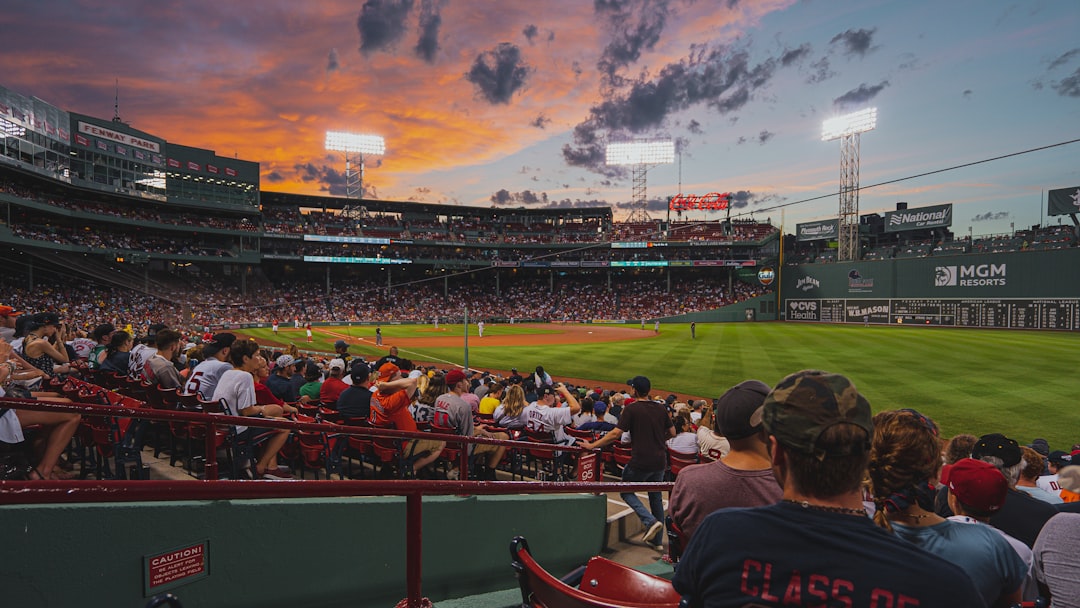 Photo by Wei Zeng on Unsplash
Day 2 — Back Bay, Fenway Park & the Seaport
Neighborhoods: Back Bay, Fenway-Kenmore, the Seaport
Day 2 trades cobblestones for broad Victorian boulevards, adds a world-class art museum and a baseball cathedral, and ends on Boston's modern waterfront. The neighborhoods are larger and more spread out than Day 1, but still largely walkable with comfortable shoes.
Morning: Newbury Street & the Museum of Fine Arts
9:00 AM — Start at Tatte Bakery — Israeli-influenced, beautifully designed, with multiple Back Bay locations. The shakshuka and cardamom coffee are standout items; the pastries are exceptional. Tatte is a quieter, more elegant alternative to flour, and the contrast makes both experiences richer across a three-day visit.
10:00 AM — From Tatte, head to Newbury Street — Back Bay's celebrated commercial strip. Eight blocks long, running from the Public Garden to Massachusetts Avenue, it's lined with brownstones converted to boutiques, galleries, and restaurants. The architecture is uniformly handsome: French Second Empire on the upper floors, independent retail below. Window-shop or simply walk; either way, it's a beautiful 30-minute stroll.
11:00 AM — At the Massachusetts Avenue end of Newbury, choose your museum:
Option A — Museum of Fine Arts (465 Huntington Ave.): One of the largest art museums in the United States, with standout collections in American art, Ancient Egyptian antiquities, and European Impressionism. The Monet water lily paintings alone justify the $27 admission. Budget at least 2 hours; the building rewards wandering.
Option B — Isabella Stewart Gardner Museum (280 The Fenway): A Venetian palazzo built to house one woman's art collection, opened in 1903 with the condition that nothing could ever be moved or rearranged. The 1990 art theft — 13 works stolen in 81 minutes, including a Vermeer and three Rembrandts, none ever recovered — gives the empty frames on the walls a haunting quality unlike anything in American museology. Admission: $20.
Both are within easy walking distance of each other. If you can't decide, the Gardner takes about 90 minutes; the MFA needs at least 2 hours to do it justice.
Afternoon: Fenway Park
1:30 PM — Built in 1912, Fenway Park is the oldest active Major League Baseball stadium in the United States and one of the most atmospheric sports venues anywhere in the world. If the Red Sox are playing during your visit — check the schedule at mlb.com/redsox — buy tickets. Even a mediocre game at Fenway, under those lights, with the 37-foot Green Monster looming over left field and the organ playing between innings, is something you'll describe for years.
If no game is scheduled, ballpark tours run daily (adults: $25, approximately 1 hour). The tour covers the press box, the dugout, the warning track, and the top of the Green Monster. Standing on it, looking down at the field that has hosted over a century of baseball history, is genuinely memorable.
3:00 PM — After Fenway, walk a few blocks to the Back Bay Fens — part of Frederick Law Olmsted's Emerald Necklace, a connected system of parks stretching from Boston Common to Franklin Park. The community rose gardens in the Fens bloom into late summer and are unexpectedly beautiful in the middle of the city.
Evening: The Seaport District
6:00 PM — Take a rideshare or the Silver Line to the Seaport District — Boston's most contemporary neighborhood, built largely on reclaimed waterfront over the past 25 years. The architecture is all glass and steel, a stark contrast to Beacon Hill. But the Boston Harbor views at dusk are exceptional.
- Institute of Contemporary Art (ICA): Free on Thursday evenings. The building — cantilevered dramatically over the harbor — is as arresting as anything inside.
- Row 34 (383 Congress St.): Outstanding New England seafood in the adjacent Fort Point neighborhood, with a focused raw bar and menu sourced from local fisheries.
- Saltie Girl (281 Dartmouth St., Back Bay): If you're willing to backtrack slightly, this is arguably the best raw bar in the city — over 100 tinned fish varieties and impeccable oysters.
After dinner, walk the HarborWalk or the Rose Kennedy Greenway for the Boston skyline reflected in the water at night.
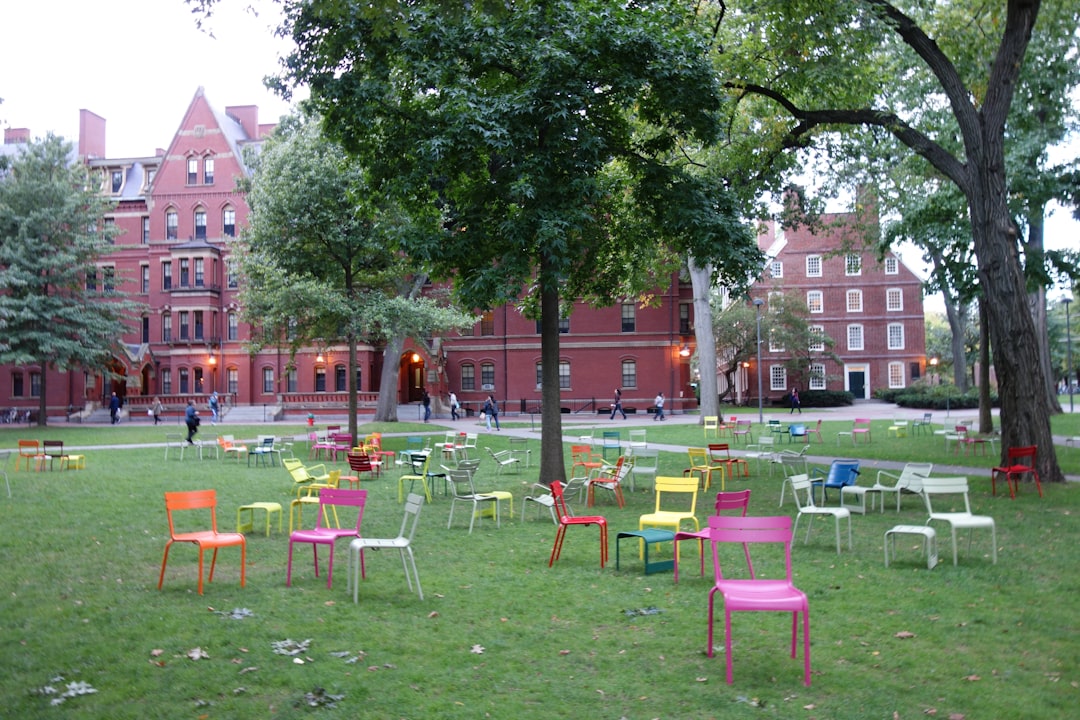 Photo by Arthur Tseng on Unsplash
Day 3 — Cambridge, Harvard & Charlestown
Neighborhoods: Cambridge (across the Charles River), Charlestown
Day 3 crosses the Charles River into Cambridge — technically a separate city, but inseparable from Boston's intellectual and creative identity — before returning to Charlestown for Revolutionary history and the best panoramic view of the trip.
Morning: Harvard Square & MIT
9:00 AM — Take the MBTA Red Line from Downtown Crossing or Park Street to Harvard Square (about 10 minutes). The square is a lively hub of independent bookshops, cafes, street musicians, and students moving in all directions.
9:30 AM — Enter Harvard Yard through the Johnston Gate — open to the public, no admission required. The yard is surrounded by some of the oldest academic buildings in North America, including Massachusetts Hall (built 1720). At the center stands the John Harvard statue, known on campus as the "Statue of Three Lies": the figure depicted isn't John Harvard, the founding date inscribed (1638) is one year off, and the sculptor had never met his subject. Touch the foot of the statue for luck, knowing what you know.
11:00 AM — From Harvard, walk 20 minutes along Massachusetts Avenue to MIT. The campus architecture is markedly more provocative: Frank Gehry's Stata Center (2004) looks like a building mid-explosion; Eero Saarinen's Kresge Auditorium (1955) balances on three points of a sphere. The MIT Museum, with galleries on robotics, artificial intelligence, and holography, is worth an hour for the intellectually curious. Admission: $10.
12:30 PM — For lunch in Cambridge, The Hourly Oyster House (Harvard Square) does New England classics well — lobster bisque, chowder, excellent fish and chips. Budget-conscious travelers: Clover Food Lab, MIT's beloved vegetarian fast-casual chain, is outstanding and inexpensive.
Afternoon: Charlestown & the USS Constitution
2:00 PM — Return to Charlestown — Boston's oldest neighborhood, settled in 1629, a year before the rest of the city. Take the Inner Harbor Ferry from Long Wharf ($3.70, the most scenic crossing) or a short rideshare.
Bunker Hill Monument is a 221-foot granite obelisk on the site of the 1775 Battle of Bunker Hill — the first major engagement of the Revolutionary War. The British won on the day, but the colonists' fierce resistance proved they could stand against a professional army. Climb the 294 steps (no elevator; this is a genuine workout) for panoramic views of Boston Harbor, the skyline, and the neighborhoods you've spent three days exploring. Free admission.
3:30 PM — A 10-minute walk brings you to the USS Constitution — "Old Ironsides," an 1797 frigate named for the apparent imperviousness of her thick live-oak hull to British cannonballs during the War of 1812. She remains the world's oldest commissioned naval warship still afloat, and the U.S. Navy still crews her today. Free tours run daily; arrive 30 minutes early to ensure entry. The adjacent USS Constitution Museum provides excellent historical context for $10.
Evening: Farewell to Boston
Return to Back Bay or the North End for a final dinner. Strong options for a memorable last meal:
- Mamma Maria (3 North Square, North End): Elevated Northern Italian in a brick-walled townhouse overlooking Paul Revere's House. Reserve in advance.
- Troquet (140 Boylston St., Back Bay): A wine-focused restaurant where every dish comes with a suggested pairing — excellent for a celebratory send-off.
- Lookout Rooftop & Bar (Seaport): Cocktails and the full Boston skyline at night. As good a farewell as the city offers.
Practical Tips: Getting Around & Planning Your Boston Trip
Getting Around Boston
Boston is one of the most walkable cities in the United States — a quality it shares with Washington DC, though Boston's compact scale makes it even more manageable on foot. The historic core — from Boston Common to the North End, from Back Bay to Charlestown — is navigable almost entirely without transit.
When you need it:
- MBTA ("The T"): The oldest subway system in the US (opened 1897) and still the most useful way to reach Cambridge and the Seaport. The Red Line connects downtown to Harvard and MIT. The Silver Line runs to the Seaport and Logan Airport. A single ride costs $2.40; load a CharlieCard from any station for convenience.
- Bluebikes: Boston's bike-share program with 600+ docking stations. A 24-hour pass costs $15. Ideal for the Esplanade, the Emerald Necklace, or the HarborWalk.
- Rideshare: Uber and Lyft are reliable and affordable within the city — useful for longer cross-neighborhood legs or when you're carrying luggage.
Approximate walking times:
- Boston Common → North End: 20 minutes
- Back Bay → Fenway Park: 20 minutes
- Downtown → Charlestown: 30 minutes on foot or 10-minute ferry from Long Wharf
- Downtown → Harvard Square: Take the Red Line (10 minutes)
Where to Stay in Boston
- Back Bay: The most convenient base, within walking distance of Days 1 and 2's sights and the T for Day 3. The Newbury Boston (former Taj, on Arlington St.) and The Lenox Hotel are historic landmark properties.
- Beacon Hill: Quieter and more atmospheric; ideal if Day 1's sights are your priority and you want to feel immersed in 19th-century Boston from the moment you step outside.
- Seaport: Modern hotels with harbor views (Westin Boston Waterfront, The Envoy Hotel). Slightly disconnected from the historic core, but easy via Silver Line.
- Where to avoid: East Boston (across the harbor) and Logan Airport hotels are inconvenient — every destination requires a ferry or tunnel commute.
Best Time to Visit Boston
| Season | Highlights | Things to Know |
|---|---|---|
| Fall (Sep–Nov) | Peak foliage, ideal 45–65°F temperatures, Red Sox playoff season | Highest hotel prices; book 2–3 months ahead |
| Spring (Apr–May) | Cherry blossoms, Boston Marathon (Patriots' Day), baseball begins | Weather variable; can still be cold in April |
| Summer (Jun–Aug) | July 4th fireworks on the Esplanade, outdoor events, long days | Hot and humid (80–90°F); city is at its most crowded |
| Winter (Dec–Mar) | Holiday lights, significantly lower prices, smaller crowds | Cold (20–35°F); some outdoor sights are less pleasant |
Best overall window: Late September to mid-October. The foliage in the Public Garden and along Commonwealth Avenue reaches peak color, temperatures are perfect for full days of walking, and the energy of a city in playoff contention is palpable.
Budget Breakdown for 3 Days in Boston
| Category | Budget | Mid-Range | Splurge |
|---|---|---|---|
| Hotel (per night) | $120–$160 | $220–$350 | $400+ |
| Food (per day) | $40–$60 | $80–$130 | $150+ |
| Admissions (3 days) | ~$50 (selective) | ~$80 (MFA + Gardner + Fenway tour) | Unlimited |
| Transport (3 days) | $20–$30 (T + Bluebikes) | $30–$50 | Rideshare throughout |
| Total per person per day | ~$150 | ~$250 | $400+ |
FAQ: Boston in 3 Days
Is 3 days enough to see Boston? Yes. Three full days is sufficient to cover the Freedom Trail's highlights, Beacon Hill, the North End, Back Bay, Fenway Park, Cambridge (Harvard and MIT), and Charlestown — with evenings free for great food and exploring. It's a genuinely complete trip. Four days would let you add a day trip to Salem (the witch trial history, the Peabody Essex Museum) or the Cape Cod National Seashore.
What to do in Boston if you only have 3 days? With just 3 days, prioritize: the Freedom Trail (Day 1 morning), Beacon Hill and the North End for dinner (Day 1 afternoon/evening), Fenway Park or the Museum of Fine Arts (Day 2), and Harvard Square with Charlestown's Bunker Hill Monument (Day 3). This itinerary covers Boston's historic, cultural, and culinary highlights without unnecessary backtracking, and leaves evenings free for the city's restaurant scene.
What is the number one thing to do in Boston? Walk the Freedom Trail. The 2.5-mile red-brick route connects 16 Revolutionary-era sites — from Boston Common to the Bunker Hill Monument — and delivers more concentrated American history per footstep than anywhere else in the country. It's free to walk independently, or $15 with a guided tour departing from the Boston Common Visitor Center.
What are the top 3 things to do in Boston? Walk the Freedom Trail (the most vivid 2.5 miles of American history you'll find anywhere), visit Fenway Park (one of the world's great sports venues, regardless of your feelings about baseball), and spend an evening eating in the North End (the best Italian-American food in New England, full stop). Everything else builds on these three.
What's the best neighborhood to stay in Boston? Back Bay for convenience — it puts you within walking distance of Days 1 and 2's main sights and the T connections for Cambridge. Beacon Hill is the best choice for atmosphere: gas-lit streets, historic architecture, and an immersive sense of 19th-century Boston from the moment you step outside your door.
Is 3 nights in Boston enough? Yes — 3 nights gives you 3 full days of sightseeing, which is the sweet spot for a first visit. You'll cover the Freedom Trail, Fenway Park, Cambridge, and Charlestown without feeling rushed, with evenings free for Boston's exceptional restaurant scene. A fourth night would be the time to add a day trip to Salem or the Cape.
Where to avoid staying in Boston? Avoid hotels in East Boston (across the harbor) and at Logan Airport — both require a tunnel crossing or ferry to reach any major sight, adding friction to every outing. The Seaport is fine but slightly disconnected from the historic neighborhoods that anchor Days 1 and 3 of this itinerary.
What's the best time of year to visit Boston? Fall — specifically late September to mid-October. The foliage in the Public Garden and along Commonwealth Avenue is spectacular, temperatures are perfect for full days on foot, and the energy of playoff baseball season charges the whole city. Spring (April–May) is a close second, with cherry blossoms and the Boston Marathon adding seasonal magic.
How do I get from Boston to New York City? Amtrak's Acela and Northeast Regional trains connect South Station (Boston) to Penn Station (New York) in 3.5 to 4.5 hours — far more comfortable than driving I-95 or dealing with airport security. If you're exploring the East Coast, the Boston–NYC combination by train is one of the most convenient and rewarding city-pair trips in the country. Find everything you need for the New York leg in our New York City travel guide.
Want to build your own spot list?
Join Spotli.st and share your favorite places with the world.
Create my free account