How to Plan a US Road Trip: The Complete 2026 Guide
Everything you need to plan a US road trip in 2026: best routes, realistic budgets, must-have apps, packing lists, and the 3-3-3 rule explained.
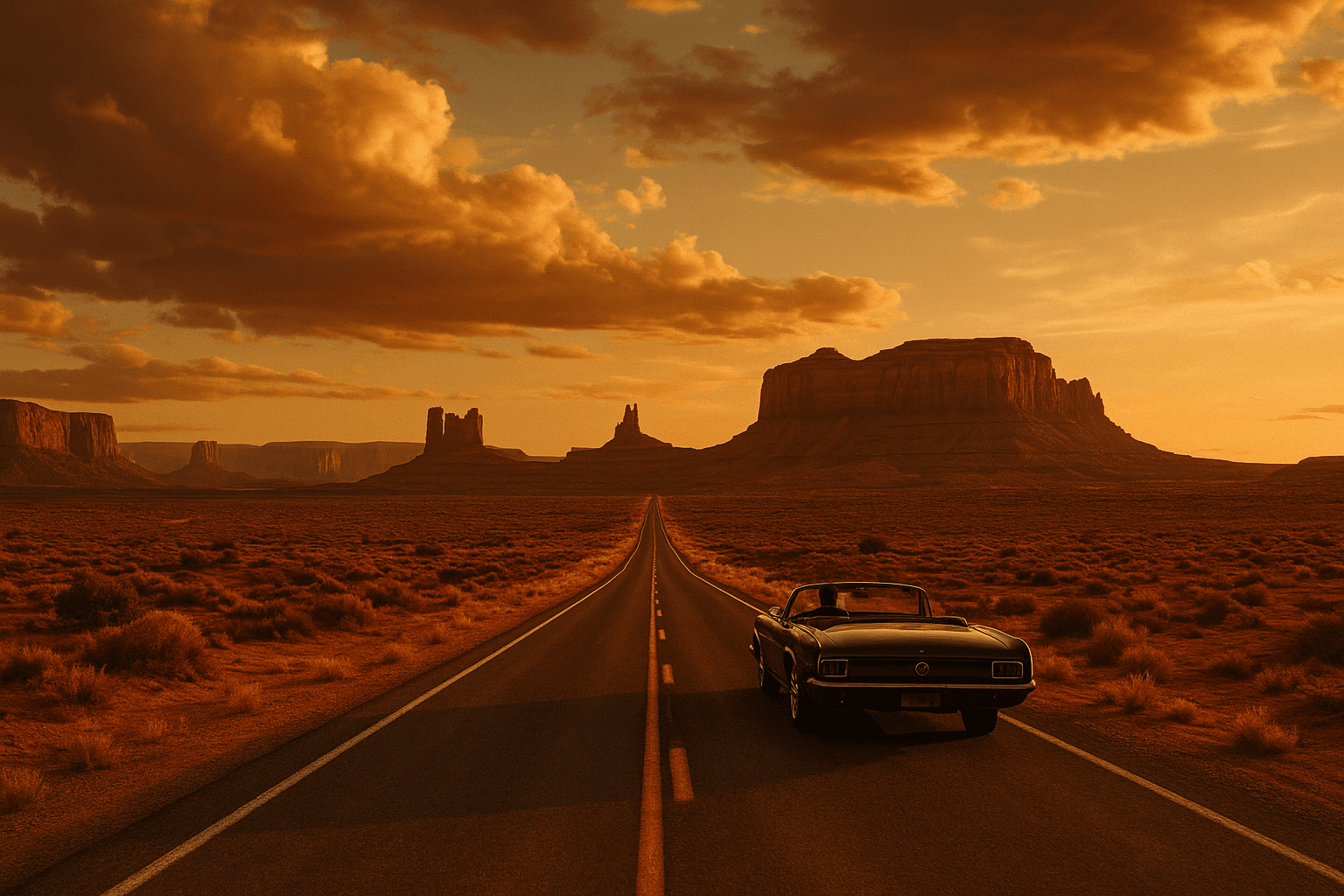
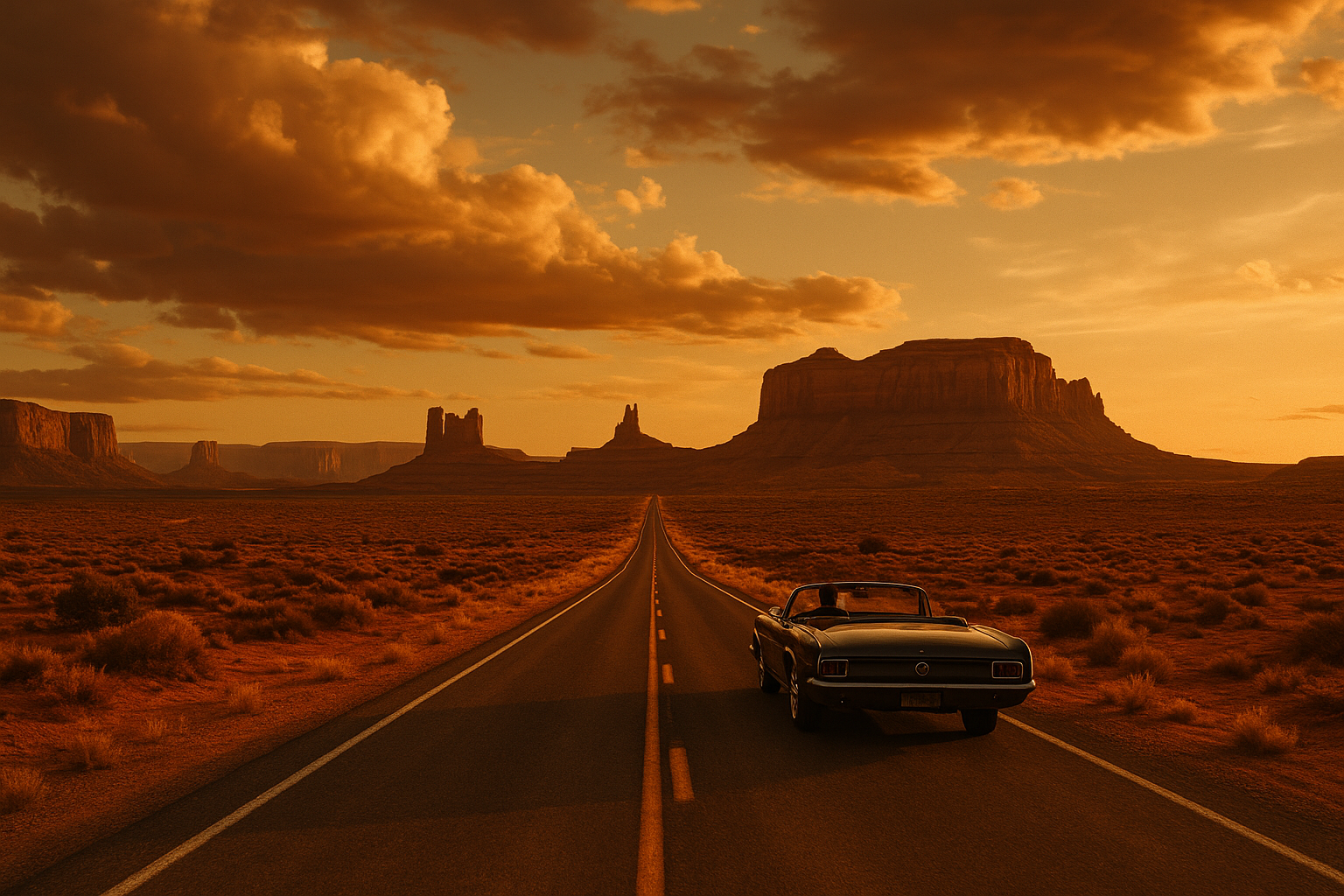
There are 4 million miles of road in the United States. No country on earth offers this much space, this much variety, and this much freedom through a windshield. A single trip can take you from the Pacific coast to high desert to Appalachian forest — and most of the best moments happen on roads you didn't originally plan for.
But "just wing it" is terrible advice. The travelers who have the best US road trips are the ones who nail the big decisions in advance and leave room for everything else. This guide walks you through every step of how to plan a road trip in the USA — from choosing your route to managing costs on the ground — so you can spend less time worrying and more time driving.
Step 1: Choose Your Route
The single most important decision in planning a US road trip is choosing a route that matches your time, budget, and interests.
The United States has dozens of iconic road trip corridors, each with a distinct character. Here are five that consistently deliver:
Route 66 (Chicago → Los Angeles, ~2,400 miles) The original American road trip. Stretching from Chicago's lakeshore to Santa Monica Pier through eight states, Route 66 passes 1950s diners frozen in time, neon-lit motels, quirky roadside art, and landscapes that shift from Midwest plains to New Mexico desert to California scrub. Budget 2–3 weeks to travel it properly — rushing Route 66 defeats the purpose.
Pacific Coast Highway / US-1 (Seattle → San Diego, ~1,650 miles) Arguably the most scenic coastal drive in the world. The California section between San Francisco and Los Angeles is the crown jewel: Highway 1 hugs cliffs above the Pacific through Big Sur, past Hearst Castle, through Morro Bay and Santa Barbara. Allow 5–7 days for the California section alone.
Southwest National Parks Loop (Las Vegas as hub, ~2,000–3,000 miles) The best route for landscape and outdoor lovers. A circuit from Las Vegas through Zion, Bryce Canyon, Capitol Reef, Arches, Canyonlands, and the Grand Canyon packs more dramatic scenery per mile than almost any other road trip on earth. See our complete guide to the best national parks in the USA for what to expect at each stop.
Blue Ridge Parkway (Shenandoah, VA → Cherokee, NC, 469 miles) A slower, deeply American experience. No commercial trucks, no billboards — just 469 miles of Appalachian ridgeline driving through ancient forest and sweeping overlooks. September and October, when the fall foliage peaks, make this one of the most beautiful drives in North America.
Southern Culture Corridor (Nashville → New Orleans, ~550 miles) Culture-rich and underestimated. Start in Nashville for live music and honky-tonks, stop in Memphis for Graceland and Beale Street blues, then roll into New Orleans for jazz, Creole food, and the French Quarter. Five to seven days, manageable logistics, world-class stops.
How to choose: Ask three questions. How many days do you have? Do you prefer natural landscapes or cities? Are you happy driving 300+ miles a day, or would you rather drive less and stay longer in each place?
Step 2: Decide on Timing and Duration
The best time for a US road trip is fall (September–October): fewer crowds, lower prices after Labor Day, and ideal temperatures across nearly every route.
How long does a US road trip take?
A coast-to-coast crossing — roughly 2,800 miles from New York to Los Angeles — takes a minimum of 5–7 days of sustained driving (400–500 miles/day). Most travelers who want to actually see something budget 2–4 weeks. A practical rule of thumb: plan one full day of travel per 250–300 miles, not counting time spent exploring a destination.
Best seasons by route
| Season | Best for | Avoid |
|---|---|---|
| Spring (Apr–May) | Southwest, California coast, Southeast | Gulf Coast (hurricane season builds) |
| Summer (Jun–Aug) | Pacific Northwest, New England, Alaska | Southwest parks (extreme heat + peak crowds) |
| Fall (Sep–Oct) | Almost everywhere | Mountain passes late Oct (early snow risk) |
| Winter (Nov–Mar) | Florida, Arizona, Texas, Desert Southwest | Northern states, mountain routes |
National parks in summer are genuinely overcrowded. Yosemite Valley, the Grand Canyon South Rim, and Yellowstone all hit peak congestion in July and August. If you're doing a parks loop, early June or September offers the best balance of weather and manageable crowds. For city-focused trips, check our guide to the best US cities to visit in fall for destination-specific timing advice.
Step 3: Choose Your Vehicle
Your vehicle choice affects your daily budget, your comfort level, and which roads you can realistically access.
Your own car
The cheapest option — provided it's reliable. Before any long road trip, budget $150–$300 for a pre-trip service: oil change, tire pressure and tread check, brake inspection, belts, and fluids. Fuel efficiency matters enormously over thousands of miles. A 30 mpg sedan costs roughly half as much to run as a 15 mpg SUV on a 3,000-mile trip.
Rental car
Best for fly-and-drive trips when you're starting far from home. Most major US agencies (Hertz, Enterprise, Budget, Avis) offer one-way rentals with varying drop fees. A mid-size sedan runs $40–$80/day in most markets; SUVs cost $70–$150/day. Critical: check mileage limits — some budget rentals cap daily miles, which is a serious problem on a road trip.
Campervan or RV
Unmatched freedom — you sleep where you park. Companies like Cruise America and Outdoorsy list rigs from $100–$300/night. Add fuel (RVs average 8–12 mpg vs. 25–35 mpg for a car), and costs mount — but you eliminate hotel and motel bills. Over 3+ weeks, an RV trip often becomes cost-neutral compared to nightly accommodation.
Step 4: Build a Realistic Budget
For two people, a US road trip typically costs $150–$350 per day, depending primarily on where you sleep and how you eat.
The single biggest variable is accommodation. Here's a full breakdown:
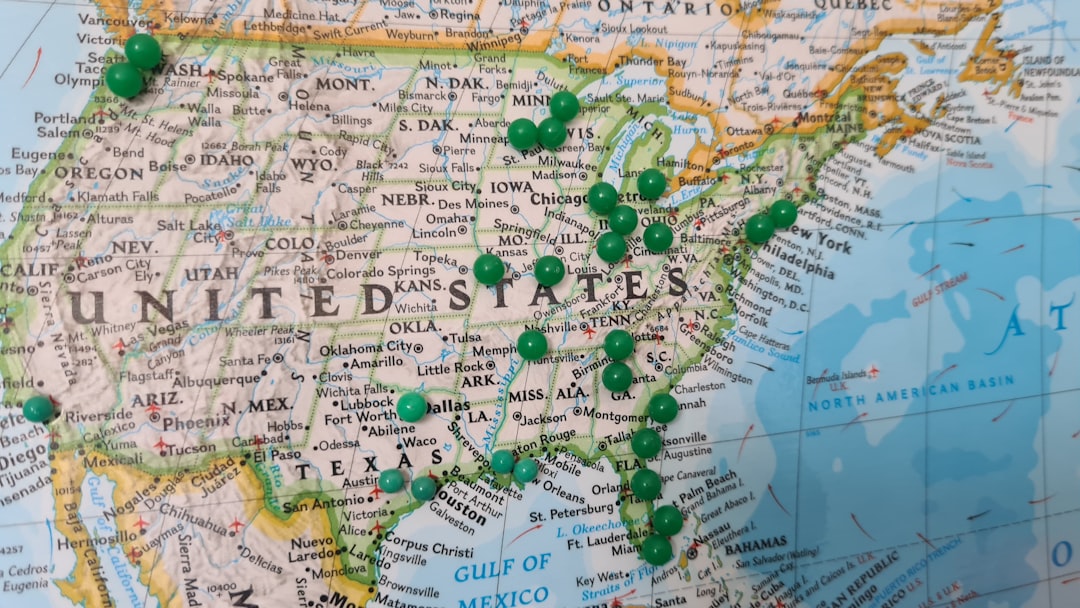 Photo by Nico Smit on Unsplash
| Expense | Budget | Mid-Range | Splurge |
|---|---|---|---|
| Accommodation / night | $25–$60 (camping/motel) | $80–$150 (Airbnb/motel) | $150–$300+ (hotel) |
| Fuel / day (~250 miles) | $25–$40 | $40–$60 | $60–$100 (SUV/RV) |
| Food / day | $30–$50 | $60–$90 | $100–$200 |
| Activities & entrance fees | $10–$20 | $20–$50 | $50–$100+ |
| Total / day (2 people) | $90–$170 | $200–$350 | $360–$700+ |
The America the Beautiful Pass: $80 that pays for itself
If your route passes through two or more US national parks, buy the America the Beautiful Annual Pass ($80). It covers unlimited entrance to all national parks and federal recreation lands for 12 months. A single Grand Canyon entrance is $35/vehicle — the pass pays for itself in three visits. Available at any park entrance or at recreation.gov.
Fuel costs: use GasBuddy
Gas prices vary dramatically by state — California typically runs $0.70–$1.20/gallon more than Texas or the Midwest. Use GasBuddy to check real-time prices along your route and time your fill-ups strategically.
The grocery store advantage
One of the most effective road trip money habits: buy groceries every 2–3 days, keep a cooler in the car, and handle breakfast and lunch yourself. This cuts daily food costs by $30–$50 compared to eating every meal out. Save restaurants for dinners in cities worth celebrating. The same principle applies whether you're driving through the Southwest or budgeting for New York City.
Step 5: Plan Your Accommodation (But Not Too Rigidly)
Book your first night and "anchor" nights — in popular parks or cities — weeks or months in advance. Leave 30–40% of nights unbooked for flexibility.
Types of accommodation on a US road trip
National Park campgrounds ($15–$40/night) The most atmospheric option. Waking up inside Zion Canyon or next to the Grand Tetons is unforgettable. Reserve through recreation.gov up to 6 months in advance — sites at Yosemite Valley, Glacier, and Yellowstone sell out within minutes of opening.
National Forest & BLM dispersed camping (free – $15/night) Bureau of Land Management land covers 245 million acres across the American West, and most of it is open to free dispersed camping. Apps like iOverlander and Campendium map these spots with community reviews. This is how road trippers dramatically reduce costs while getting spectacular solitude.
KOA campgrounds ($40–$70/night) Nationwide chain with consistent amenities — showers, electrical hookups, Wi-Fi. Pricier than forest camping but reliable when you need a hot shower and a strong signal.
Motels ($50–$120/night) The backbone of the American road trip. Chains like La Quinta, Motel 6, Econo Lodge, and Super 8 are serviceable for one-night stops. Quality varies widely — check recent TripAdvisor reviews before booking, especially along Route 66.
Airbnb / VRBO ($80–$200/night) Worth it for "base camp" stays — when you're spending 2+ nights in one place to explore a city or region and want a kitchen and more living space.
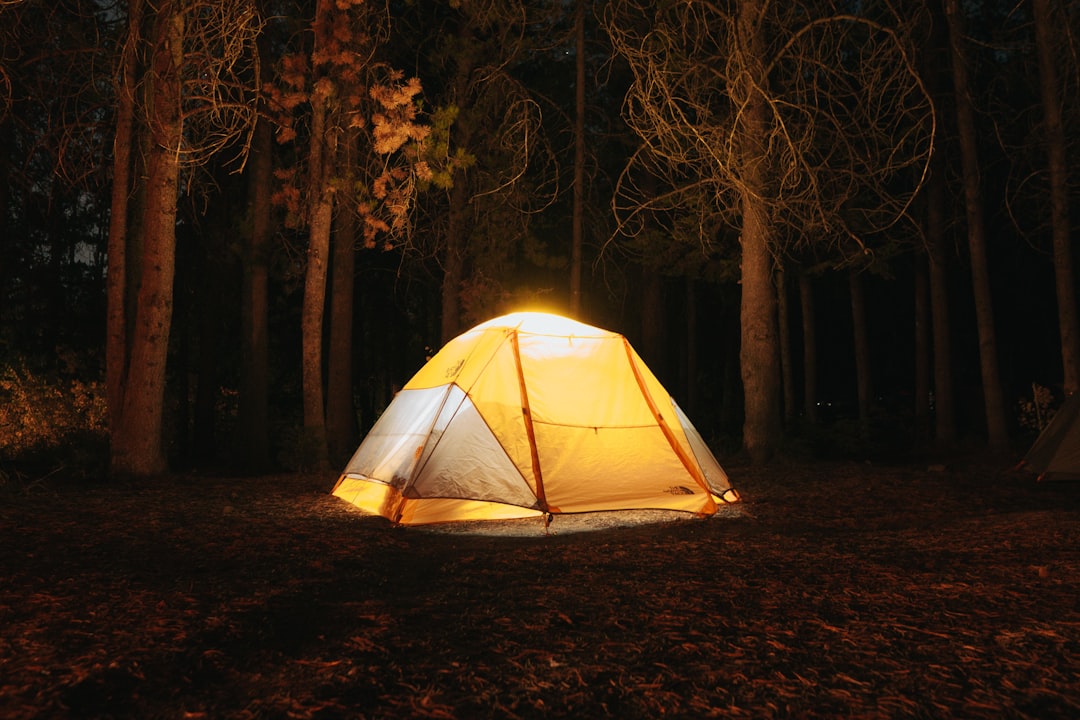 Photo by Dex Ezekiel on Unsplash
Step 6: Load the Right Apps
The right apps make logistics invisible — the wrong ones, or none at all, waste hours and money.
These are the tools experienced US road trippers actually rely on:
- Google Maps / Apple Maps — Primary navigation. Download offline maps for regions with poor coverage: Navajo Nation, rural Montana, much of Wyoming and Nevada.
- GasBuddy — Real-time fuel prices at every station on your route. Worth using on every fill-up.
- Roadtrippers — Purpose-built trip planner with waypoints, roadside attractions, and hidden stops. The paid tier (~$30/year) adds campground and hotel booking in one interface.
- iOverlander / Campendium — Community maps of free and low-cost camping, including dispersed BLM sites. Essential for the American West.
- The Dyrt — Campground finder with offline maps and user reviews. Best for national forest and state park camping.
- AllTrails — Essential for any route that touches national parks. Download trail maps offline before heading into remote areas.
- Waze — Superior to Google Maps for live road hazards, speed camera alerts, and incident warnings on busy interstates.
- recreation.gov — The official booking platform for national park campgrounds and day-use areas.
Step 7: Pack Smart
The golden rule of road trip packing: bring less than you think you need. Every cubic foot in the car counts over thousands of miles.
In the vehicle (safety & logistics)
- Portable jump starter (compact, under $50 — no need to flag down a stranger)
- Tire pressure gauge and portable air compressor
- Emergency kit: first aid supplies, reflective triangles, flashlight, basic toolkit
- Paper road atlas or state maps (phones die; signals disappear)
- Reusable water bottles — minimum 2 liters per person in desert regions
- Cooler with ice packs for groceries and cold drinks
Personal gear
- Clothing in layers — you'll cross multiple climate zones
- One outfit per 2–3 days rather than per day (laundromats are everywhere)
- Sunscreen and polarized sunglasses (windshields don't block all UV)
- Travel pillow and light blanket (invaluable during early morning driving shifts)
- Power bank and a multi-port car charger
For outdoor-focused itineraries
- Sleeping bag rated to the coldest temperature on your route
- Tent or hammock plus a tarp
- Headlamp (hands-free beats a flashlight every time)
- Day pack and broken-in hiking boots
- Bear canister for camping in bear country (Yosemite, Glacier, Grand Teton)
Drive Smart: The 3-3-3 Rule and Road Safety
What is the 3-3-3 rule for road trips?
The 3-3-3 rule means: drive no more than 300 miles per day, stop every 3 hours, and arrive at your destination by 3 PM. It's a practical fatigue-prevention guideline developed in the RV and overlanding community, designed to keep road trips enjoyable rather than exhausting.
Why it works:
- 300 miles/day = roughly 4.5–5 hours of driving. Comfortable for almost anyone.
- Stop every 3 hours = two rest breaks on a typical day. Prevents the "just a bit further" fatigue spiral.
- Arrive by 3 PM = enough time to settle in, explore, eat a proper dinner, and rest before the next day's drive.
You don't need to follow it rigidly — some days you'll want to drive more, others far less. But using it as a default prevents the most common first-timer mistake: treating driving as dead time to power through rather than as part of the experience itself.
Other road safety essentials
- Download offline maps before remote stretches. Coverage disappears across much of Utah, Nevada, Wyoming, and the Navajo Nation.
- Avoid night driving in wildlife zones. Deer, elk, moose, and pronghorn are most active at dusk and dawn. Wyoming, Montana, and the Rockies see thousands of vehicle-wildlife collisions annually.
- Check road and mountain pass conditions. Passes like Tioga in California, US-89 through Glacier, and Colorado's high routes can close without warning even in early summer. Check state 511 hotlines before heading into the mountains.
- Never push through genuine fatigue. Drowsy driving is statistically as dangerous as drunk driving. A 20-minute nap at a rest area makes a measurable difference — and is far safer than the alternative.
Best US Road Trips for First-Timers
If this is your first US road trip, keep complexity low. These three routes offer the best payoff-to-planning-effort ratio:
California Coast (San Francisco → Los Angeles via Hwy 1, ~400 miles, 5–7 days) Compact, breathtaking, and easy to execute. Urban bookends mean airport access is simple, Highway 1 is well-marked, and the scenery through Big Sur alone makes the entire trip worthwhile.
Southwest National Parks Loop (Las Vegas hub, ~2,000 miles, 10 days) Fly into Las Vegas, drive to Zion, Bryce Canyon, Capitol Reef, Arches, Canyonlands, and the Grand Canyon. Roads are paved and well-signed, the landscape is jaw-dropping, and the route is extremely well-documented. If the Grand Canyon is on your list, read our hiking in the Grand Canyon guide before you go.
Nashville → New Orleans (550 miles, 5–7 days) Culture-forward and very approachable. Easy logistics, world-class music and food scenes at both ends, and Memphis in the middle. A great choice for first-time visitors to the American South.
For routes that go beyond the obvious tourist trail, our guide to America's most underrated cities is worth consulting before you finalize your itinerary.
Frequently Asked Questions
How long does a cross-country US road trip take? A non-stop coast-to-coast drive (New York to Los Angeles, ~2,800 miles) takes approximately 40 hours of pure driving — about 4–5 days minimum at 8–10 hours/day. Most road trippers budget 2–4 weeks for a meaningful crossing with stops. A two-week trip exploring one region in depth is almost always a better experience than a rushed coast-to-coast sprint.
How much does a road trip across the USA cost? For two people, expect $150–$350/day depending on how you sleep and eat. A 14-day trip typically costs $2,100–$4,900 total for two (not including flights to the starting city). Choosing camping over motels saves $500–$800 over two weeks; cooking your own breakfasts and lunches saves another $300–$500.
What is the 3-3-3 rule for road trips? Drive no more than 300 miles per day, stop and rest every 3 hours, arrive at your destination by 3 PM. It's a fatigue-prevention guideline designed to keep long road trips sustainable and enjoyable rather than exhausting.
When is the best time of year for a US road trip? Fall (September–October) is the sweet spot for most routes — thinner crowds, lower prices after Labor Day, spectacular foliage across the East, and mild temperatures from coast to coast. Spring (April–May) is excellent for the Southwest and California. Summer is best reserved for the Pacific Northwest, New England, and Alaska.
Do I need an International Driving Permit to drive in the USA? If your license is in English (UK, Australia, Canada), you generally don't need an IDP. For licenses in other languages, most US states technically require one — though enforcement is inconsistent. An IDP costs $20–$25 from your home country's motoring association and is worth getting for peace of mind and car rental simplicity.
What's the single most important thing to book in advance? National park campgrounds — especially Yosemite Valley, Glacier, and Yellowstone in summer. Sites release 6 months ahead on recreation.gov and sell out in minutes. Everything else can be figured out on the road, but missing your first-choice national park campsite because you didn't book is a painful and avoidable mistake.
The open road is patient. America's highways aren't going anywhere. But the best road trips are built on a solid foundation: a route you're genuinely excited about, a realistic budget, the right apps on your phone, and just enough flexibility to say yes when something unexpected catches your eye. Plan the bones. Leave room for the rest. Start driving.
Want to build your own spot list?
Join Spotli.st and share your favorite places with the world.
Create my free account