Napa Valley vs. Sonoma: Which California Wine Country Should You Visit?
Napa or Sonoma? We break down the wine, prices, vibe, towns and logistics of both California wine regions so you can pick the right one for your trip.
Ask ten people whether you should visit Napa or Sonoma and you'll get eleven opinions — plus a long story about someone's cousin who "knows wine." Here's the honest short version, though: the two regions sit right next to each other, grow many of the same grapes, and both pour excellent California wine. They simply deliver it through very different experiences.
The fastest way to choose is to answer one question: do you want a polished, high-end, iconic experience, or a relaxed, spread-out, better-value one? If your answer is the first, go to Napa. If it's the second, go to Sonoma. Everything below is the detail that lets you make that call with confidence — wine styles, real costs, the vibe, the towns, the food, and the logistics of doing both in a single trip.
Napa vs. Sonoma at a glance
| Napa Valley | Sonoma County | |
|---|---|---|
| Size | ~43,000 vineyard acres, one long valley | Roughly double the acreage, stretches to the Pacific coast |
| Wineries | ~390 physical wineries | ~450+ wineries, many small and family-run |
| Signature wines | Cabernet Sauvignon, rich Chardonnay, Merlot | Pinot Noir, Zinfandel, unoaked Chardonnay, sparkling, red blends |
| Tasting fees | ~$45–$100+ at prestige estates | ~$20–$50 at most spots, with more walk-in options |
| Typical daily cost | Higher (luxury lodging and dining) | Noticeably lower for the same quality |
| Vibe | Polished, "wine on the Ritz," more crowded | Laid-back, country, less commercialized |
| Best for | Cab lovers, special occasions, foodies | Value-seekers, first-timers, outdoor types, pinot fans |
| Getting around | Compact, easy to hop between wineries | Spread out; pick one or two valleys per day |
The 30-second answer
If you only have a day and want the classic Wine Country postcard — grand estates, famous labels, Michelin-starred dinners — Napa is the safer bet. It's compact, signposted, and built for visitors who want to be guided through the experience.
If you want to wander, spend less, taste a wider range of wines, and feel like you've found somewhere locals actually go, Sonoma wins. It's bigger, slower, and less scripted.
One more honest note before we dive in: neither region is "better." They're different tools for different trips. The sections below are organized by what actually changes your experience, so you can weigh only the criteria that matter to you.
The wine: Cabernet country vs. a little bit of everything
This is where the two regions genuinely diverge, and it's the first thing to check against your own taste.
Napa is, above all, Cabernet Sauvignon country. The valley's warm days and cool nights produce the bold, structured, age-worthy Cabernets that made the region famous on the world stage after the 1976 "Judgment of Paris." Alongside Cab you'll find rich, buttery Chardonnay and fruit-forward Merlot. The most famous sub-regions — Rutherford, Oakville, and Stags Leap District — are essentially Cabernet royalty, and their flagship wineries (Robert Mondavi, Stag's Leap, Chateau Montelena, Cakebread, Duckhorn, among others) read like a wine textbook.
Sonoma plays a much longer setlist. Because the county is huge and spans dramatically different climates — from the cool, foggy coast to warmer inland valleys — it produces everything: silky cool-climate Pinot Noir and zesty Chardonnay in the Russian River Valley, big Zinfandel in Dry Creek, elegant Cabernet and Merlot in Alexander Valley, plus sparkling wine (Korbel, Gloria Ferrer) and easy-drinking red blends. If your group can't agree on a single varietal, Sonoma is the diplomatic choice.
The takeaway: drink mostly Cab and buttery Chardonnay? Napa will feel like home. Love Pinot, Zin, bubbles and variety? Sonoma is where you'll geek out.
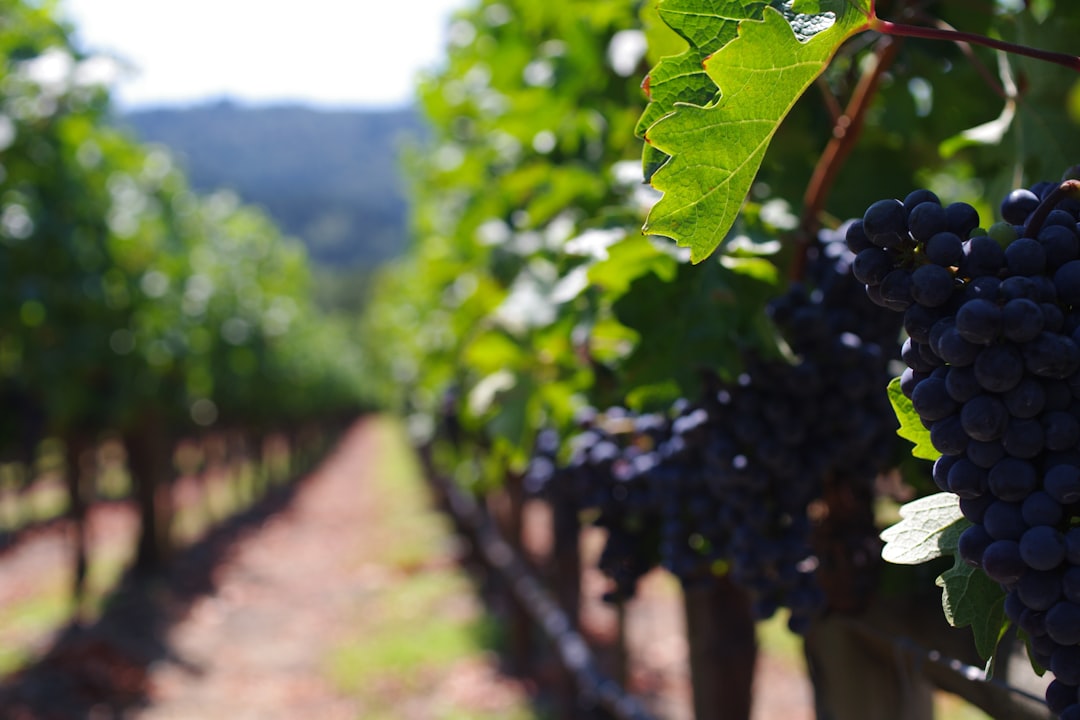
Napa Valley vineyard rows. Photo: Michał Parzuchowski on Unsplash.
Cost: what a day really runs you
Let's talk money, because this is where the regions separate quickly.
Napa is the most expensive wine region in the United States. Tasting fees at its prestige estates routinely run $45 to $100+ per person, reservations are often required weeks in advance, and the surrounding ecosystem — hotels, restaurants, even gas — is priced for a luxury crowd. A full day with lodging can easily push into the several-hundred-dollar range per person. You can do Napa on a budget (shared tastings, cheaper motels in the city of Napa, picnic lunches), but the default setting is expensive.
Sonoma is meaningfully cheaper across the board. Tasting fees at most wineries sit in the $20–$50 range, walk-ins are far easier to land, and many smaller family wineries waive the fee if you buy a bottle. Lodging spans more price points — from campgrounds and modest inns to top-end resorts — and the farm-to-table restaurants, while excellent, don't carry the same Michelin surcharge.
Is Sonoma less expensive than Napa? Yes, on average — usually by a wide margin, especially once lodging and dinner enter the picture. If you're planning a longer stay or watching a budget, Sonoma stretches your dollars further without a noticeable drop in wine quality.
The vibe: "wine on the Ritz" vs. laid-back country
Wine Folly sums it up as well as anyone: Napa feels like "wine on the Ritz," while Sonoma has a laid-back country feel. That one line explains most of the day-to-day difference.
Napa runs on polish. Limos and SUVs glide up Highway 29, reservations are checked at the gate, and tasting rooms feel like boutique hotels. It's glamorous — and it's also crowded, especially on weekends and during fall harvest. You'll wait in traffic, pay for parking at busy spots, and often be moved through a tasting on a schedule. If you enjoy the energy of a marquee destination, that's part of the fun.
Sonoma runs on ease. Wineries are strung out over a much larger landscape, so the crowds thin out naturally. Tastings are often at a counter in a barn or a picnic table under an oak tree, and nobody rushes you. People frequently describe it as "less commercialized." The trade-off is that things are farther apart and require a bit more planning to connect.
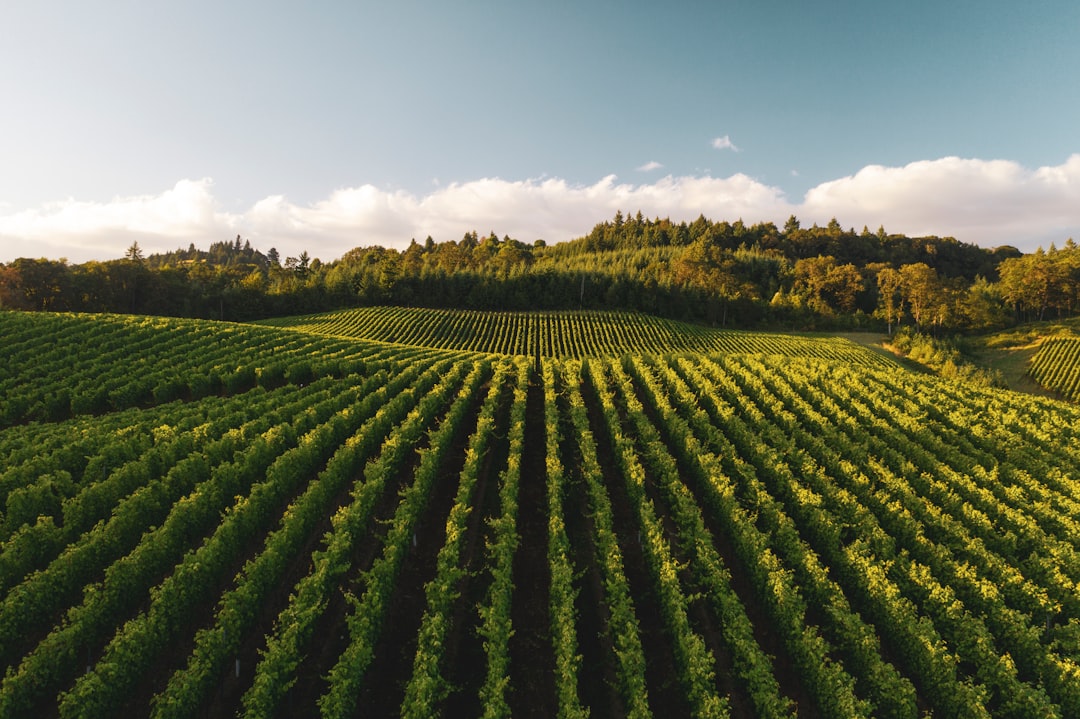
Sonoma wine country. Photo: Dan Meyers on Unsplash.
Size, geography & getting around
The geography explains most of the price and vibe differences — and it matters for your daily logistics.
Napa Valley is compact and linear. It runs roughly north-south for about 30 miles, with two parallel roads — Highway 29 (the busy main route) and the quieter Silverado Trail — stitching the wineries together. You can reasonably visit three or four wineries in a day without driving far, and car-free options (the Napa Valley Wine Train, hired drivers, hot-air balloon) are well developed. The catch: everyone else is on those same two roads.
Sonoma County is sprawling. It's roughly double the vineyard acreage of Napa and stretches all the way west to the Pacific. Its famous wine valleys — Russian River, Dry Creek, Alexander Valley, Sonoma Valley — are separate drives, so "doing Sonoma" really means choosing one or two sub-regions per day. You'll want a car (or a designated driver), and a bit of US road-trip planning discipline pays off: map your wineries before you start, because back roads are pretty but not quick.
Distance from San Francisco is similar for both — roughly an hour to an hour and a half by car, which is why so many visitors pair them with a San Francisco trip. The city of Napa and the town of Sonoma are both easy day trips; Sonoma's northern valleys (Healdsburg, Russian River) add another 30–45 minutes.
Towns & where to base yourself
Where you sleep shapes the trip as much as where you taste.
Napa's signature towns:
- Napa (the city) — the most affordable base, with the lively Oxbow Public Market and easy access to Highway 29.
- Yountville — tiny, walkable, and absurdly food-focused (The French Laundry lives here); the most romantic, least budget-friendly option.
- St. Helena & Calistoga — up-valley charmers; St. Helena for boutiques and big-name wineries, Calistoga for hot springs and mud baths.
Sonoma's signature towns:
- Sonoma (the town) — anchored by a leafy historic plaza, with tasting rooms you can walk to — ideal for a car-light stay.
- Healdsburg — the polished northern hub, surrounded by three prime AVAs, with a celebrated restaurant scene.
- Sebastopol, Guerneville & the Russian River — quirky, redwood-shaded, and great if you want wine plus nature (kayaking, coast, Armstrong Redwoods).
The rule of thumb: base in Napa for convenience and polish; base in Sonoma for value, variety, and a slower pace.
Food: Michelin stars vs. farm-to-table
Both regions eat very well. The style of eating is the difference.
Napa is a fine-dining heavyweight. It's home to The French Laundry, Bouchon, and a long list of Michelin-starred and chef-driven rooms, plus the casual-but-essential Oxbow Public Market. Dining here is an event, and it's priced accordingly — reservations at the top tables can be hard to get and expensive when you do.
Sonoma leans farm-to-table and casual. Healdsburg, Sebastopol, and Santa Rosa are packed with ingredient-driven restaurants that take advantage of the county's farms, dairies, and coast. You'll find excellent, inventive food at gentler price points, plus great bakeries, taquerias, and roadside spots. If your ideal trip includes a farmers-market lunch and a low-key bistro dinner, Sonoma fits better.
Beyond the tasting room
Wine is the headline, but the supporting cast differs.
Napa's extras skew indulgent and iconic: sunrise hot-air balloon rides over the valley, the Napa Valley Wine Train, luxury spas, and mud baths in Calistoga. It's a short, high-density list of marquee experiences.
Sonoma's extras skew outdoorsy: hiking among redwoods (Armstrong Redwoods State Natural Reserve), kayaking the Russian River, and a rugged Pacific coastline (Bodega Bay, Jenner) that Napa simply doesn't have. If someone in your group doesn't drink much wine, Sonoma gives them far more to do — beaches, forests, and scenic drives through the redwoods and along the coast.
Who should pick Napa — and who should pick Sonoma
Choose Napa if you:
- Love Cabernet Sauvignon and rich Chardonnay
- Want the iconic, bucket-list Wine Country experience
- Are celebrating something and don't mind spending
- Prefer a compact region where wineries are close together
- Care more about famous labels than about value
Choose Sonoma if you:
- Want more variety (Pinot, Zin, sparkling, blends)
- Are traveling on a budget or staying longer
- Prefer a relaxed, less-crowded, less-commercialized feel
- Want nature and outdoor activities alongside the wine
- Don't love rigid reservations and scheduled tastings
Can you do both?
Yes — and honestly, it's the move most people regret not making. The two regions touch, so splitting a long weekend between them is easy in theory. The only real obstacle is time and driving: Sonoma's valleys are spread out, so you can't "see both" in a single efficient day. Plan at least three to four days if you want a genuine taste of each, and consider staying in one region and day-tripping into the other to avoid moving hotels.
If you're short on time, resist the urge to sprint between them. Pick the region that matches your style above and do it properly — then come back for the other one later. Fall harvest (September–October) is the most beautiful and the busiest in both valleys, so book well ahead if you're visiting in autumn.
FAQ
Is it better to go to Sonoma or Napa?
Neither is objectively better — it depends on what you want. Napa is better for a polished, luxury, Cabernet-focused experience; Sonoma is better for value, variety, and a relaxed, less-crowded trip. If you want the classic "iconic wine country" visit, choose Napa. If you want a more local, laid-back feel for less money, choose Sonoma.
Is Sonoma less expensive than Napa?
Yes, on average. Sonoma's tasting fees (roughly $20–$50 vs. $45–$100+ at Napa's prestige estates), lodging, and dining all tend to cost less, and many small Sonoma wineries still offer walk-in tastings or waive fees with a bottle purchase.
Are Napa Valley and Sonoma the same?
No. They're adjacent but distinct. Napa Valley is a single, compact valley known primarily for Cabernet Sauvignon. Sonoma is a much larger county — roughly double the vineyard acreage — that stretches to the Pacific coast and produces a far wider range of wines, including Pinot Noir, Zinfandel, and sparkling wine.
Is shopping better in Sonoma or Napa?
It depends on what you're shopping for. Napa (especially St. Helena and Yountville) skews toward high-end boutiques, wine shops, and designer retail. Sonoma (Healdsburg and the Sonoma Plaza in particular) favors charming small-town boutiques, art galleries, and antiques. For luxury retail, pick Napa; for a relaxed, local shopping stroll, pick Sonoma.
Can you visit both Napa and Sonoma in one day?
Technically yes, since they border each other, but it's not recommended — Sonoma is large, and rushing between regions means more windshield time than wine time. Give yourself at least three to four days total to do both properly, or pick one for a short trip.
The bottom line
Napa and Sonoma aren't competing for the same trip — they're two different trips that happen to be neighbors. Go to Napa when you want the grand, glossy, Cabernet-and-Michelin version of California wine country, and accept that you'll pay for the privilege. Go to Sonoma when you want more wine, more variety, more nature, and less everything else — especially less spending and fewer crowds.
And if you can manage the time, the real pro move is to do both: a couple of glamorous days in Napa, then a slow, unhurried stretch wandering Sonoma's back roads. Whichever you choose, you're tasting some of the best wine in America — the only wrong answer is skipping the region entirely.
Want to build your own spot list?
Join Spotli.st and share your favorite places with the world.
Create my free account