Whale Watching in the USA: The Best Times & Places From Monterey to Cape Cod
The best places and months for whale watching in the USA — Monterey, Maui, Cape Cod, Alaska and more — plus species, costs and tour tips.
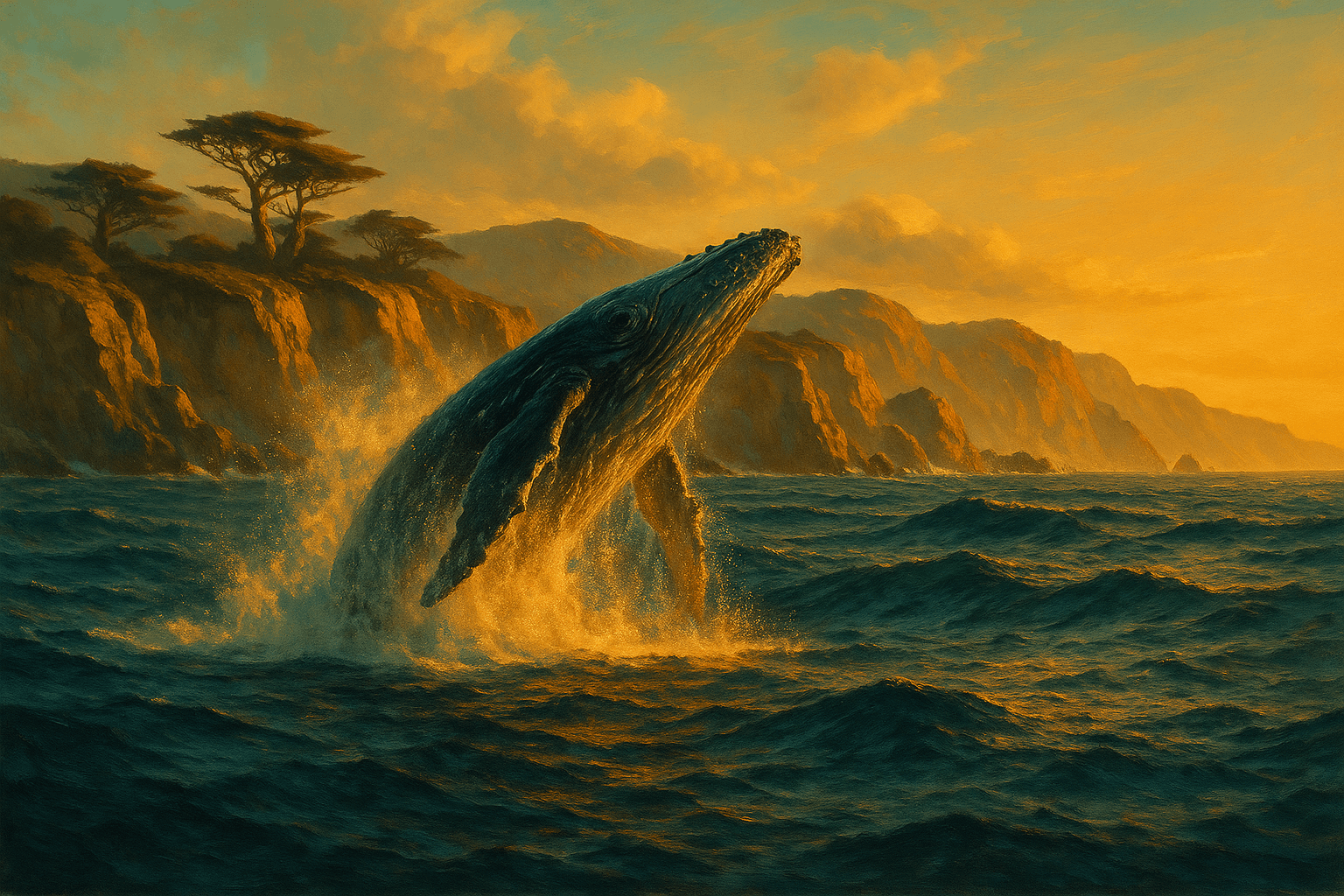
Whale Watching in the USA: The Best Times & Places From Monterey to Cape Cod
The short answer: the best whale watching in the USA happens in a handful of places that reliably bring whales close to shore — Monterey Bay in California, the San Juan Islands in Washington, Juneau in Alaska, Maui in Hawaii, and Cape Cod's Stellwagen Bank in Massachusetts. The "best" one for you depends on which whale you want to see and when you can travel: winter humpbacks in Hawaii (December–April), summer orcas in the Pacific Northwest (May–September), gray whales migrating past California (December–April), or blue whales feeding off Monterey (May–November).
This guide breaks down each region, the exact months to go, the species you'll actually encounter, what a trip costs, and the rules that keep the experience responsible — so you can pick the right spot and book with confidence.
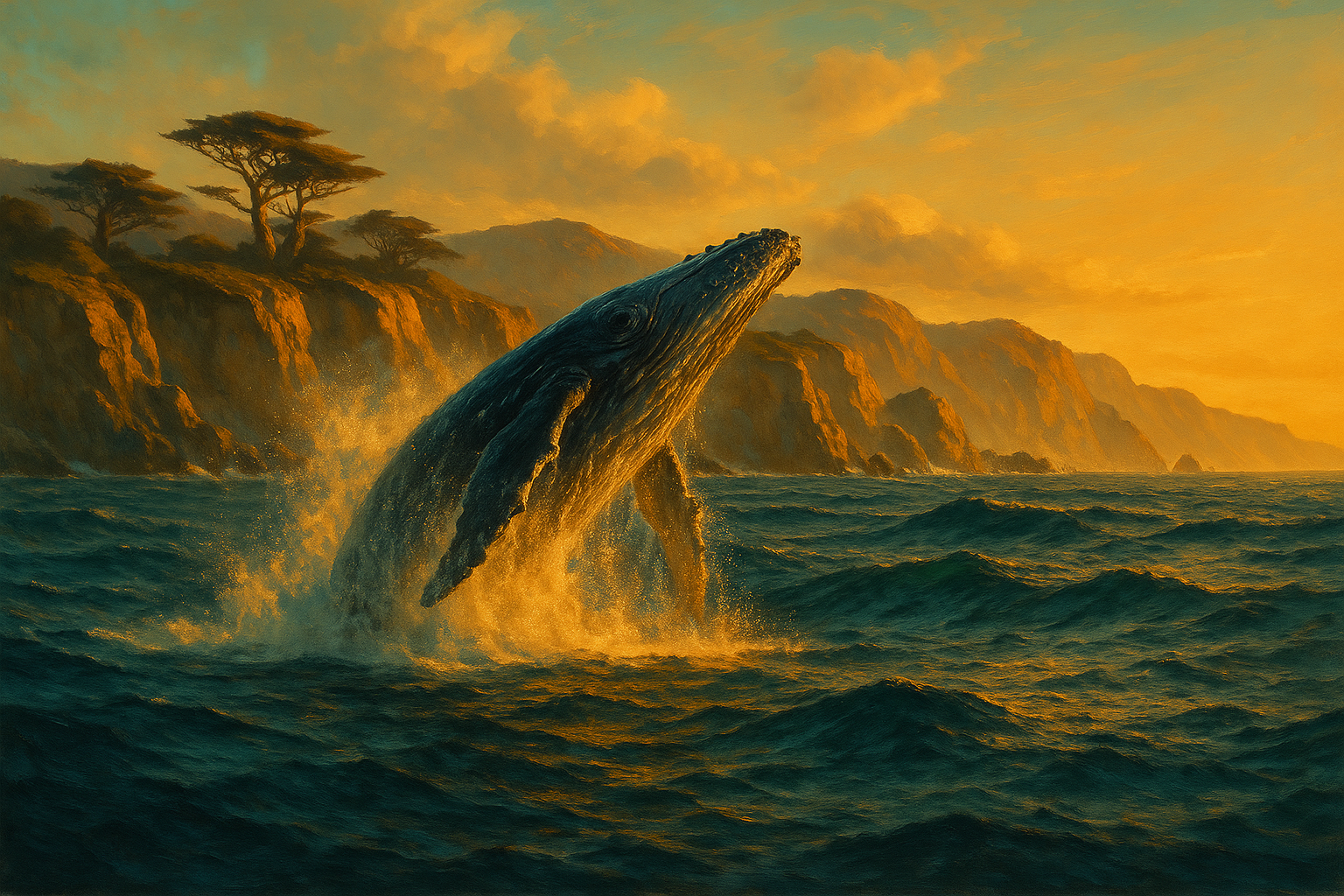
The Best Time to Go Whale Watching in the USA
There's no single "whale watching season" for the whole country — it shifts coast to coast and species to species. What stays consistent is why the whales show up: they're migrating, feeding, or breeding. Match your travel dates to the whale you want to see, and your odds of a sighting climb dramatically.
Here's the cheat sheet:
| Species | Where to see them | Best months |
|---|---|---|
| Humpback whale | Alaska, Monterey Bay, Maui, Cape Cod | May–Sept (Alaska), Apr–Nov (CA), Dec–Apr (Hawaii), Apr–Oct (New England) |
| Gray whale | California coast, Oregon coast | Dec–April (migration) |
| Blue whale | Monterey Bay, San Diego | May–November |
| Orca (killer whale) | San Juan Islands (WA), Alaska | May–September |
| Fin whale | Cape Cod, Southern California | Apr–October |
| Minke whale | Cape Cod, New England | Apr–October |
| North Atlantic right whale | Northeast Florida, Georgia coast | December–March |
The golden rule: summer is West Coast and Alaska's peak, winter belongs to Hawaii and California's gray whales, and late spring through fall is New England's window. If you can only pick one month and one place, June–August in Alaska or Monterey Bay offers the most species variety; December–April in Maui offers the most reliable single-species spectacle.
California: Monterey Bay & San Diego
Monterey Bay is arguably the single best whale watching destination in the continental U.S. A deep submarine canyon — Monterey Canyon — runs right up against the coast, pulling cold, nutrient-rich water close to shore. That means whales don't have to be far offshore to feed, which is why boat trips here regularly log multiple species in a single outing.
- What you'll see: humpbacks and blue whales (the largest animal ever to have lived, up to roughly 100 feet long) from spring through fall, gray whales on their migration from December through April, and transient orcas year-round.
- Best months: May–November for humpbacks and blues; December–April for grays.
- Why it works: trips often reach whales within 20–40 minutes, and sightings of humpbacks are common enough that some operators advertise very high sighting rates.
San Diego is the other California heavyweight, sitting right on the gray whale migration highway. Between December and April, roughly 20,000 gray whales pass along the coast on a 10,000-mile-plus round trip between Arctic feeding grounds and Baja California's lagoons — one of the longest migrations of any mammal. Blue whales show up offshore in summer (May–September), and fin whales and minke add variety. If you're building a trip around it, our guide to San Diego in 2026: what to see, do and eat covers how to pair a morning on the water with the rest of the city.
Pacific Northwest: San Juan Islands & the Oregon Coast
If you want to see orcas, the San Juan Islands in Washington are the place. The region's resident Southern Resident killer whales are a genetically distinct, fish-eating population — and critically endangered, with only about 73 individuals as of recent counts. The consolation is that other orca groups, plus humpbacks, gray whales and minke, also move through these waters.
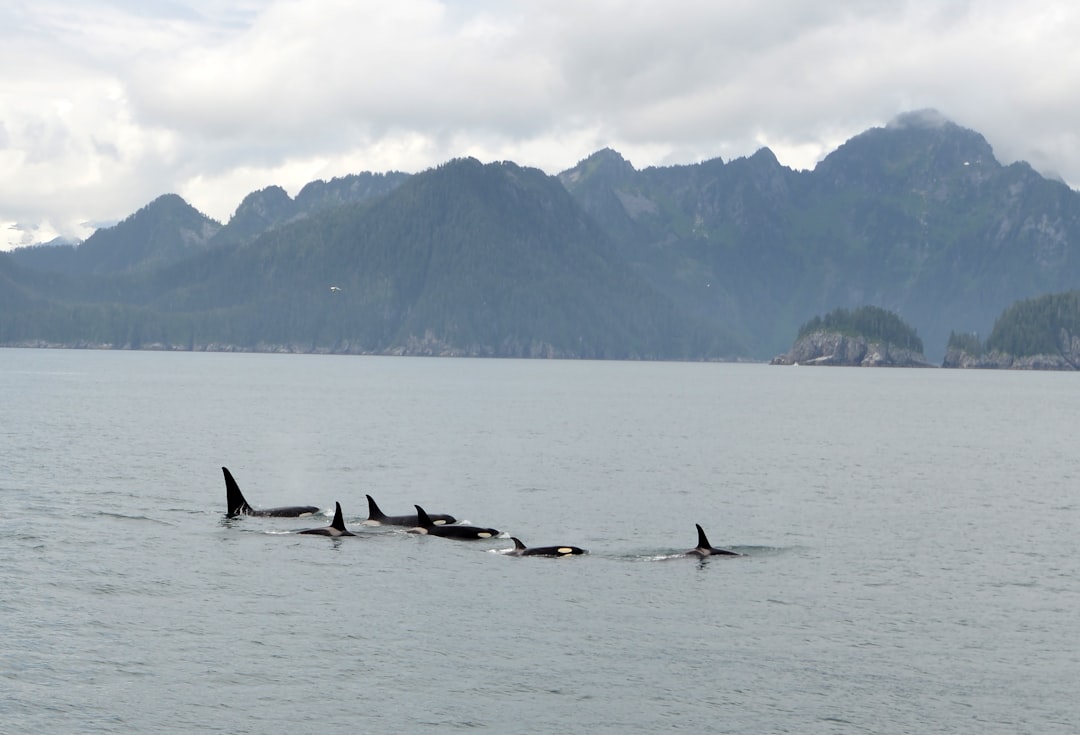 Photo: Dave Meckler / Unsplash
- Where to go: Friday Harbor on San Juan Island is the main hub; Lime Kiln Point State Park is one of the best shore-based whale watching spots in the country.
- Best months: May–September, with peak sightings generally mid-June through August.
- What to know: because the Southern Residents are endangered, boats here must keep extra distance (200 yards in Washington inland waters). Operators with the "Whale SENSE" badge have committed to responsible viewing standards.
Further down the coast, Depoe Bay, Oregon bills itself as the whale watching capital of the Oregon coast. A small resident group of gray whales feeds here year-round, and the big northbound migration passes March through June. The tiny harbor sits close to deep water, so you can be on whales in minutes.
Alaska: Juneau & Seward
Alaska in summer is arguably the most spectacular whale watching in the U.S. — not for the variety of species, but for the sheer density of humpback whales feeding in the Inside Passage.
- Juneau: from May through September, humpbacks gather in the nutrient-rich waters to feed, and the famous "bubble-net feeding" — where groups of whales corral fish by blowing bubbles and lunge through the surface together — is commonly seen here. Many Juneau operators offer a sighting guarantee.
- Seward / Kenai Fjords: glacier-backed fjords add orcas, gray whales, sea otters and seabirds to the mix, framed by dramatic coastal scenery.
- Best months: June–August, though the season reliably runs May–September.
Alaska is also where you can combine whale watching with bears, glaciers and calving ice, which is why a whale cruise here often doubles as the trip's wildlife highlight. Budget-wise, tours in Juneau tend to run $120–$180 for a 2.5–4 hour trip — pricier than the Lower 48 but with unusually high sighting rates.
Hawaii: Maui's Winter Humpback Season
Every winter, thousands of humpback whales migrate roughly 3,000 miles from Alaska's feeding grounds to Hawaii's warm, shallow waters to breed and give birth. Maui's protected waters are the heart of it, and the peak runs December through April, with the densest activity in January–March.
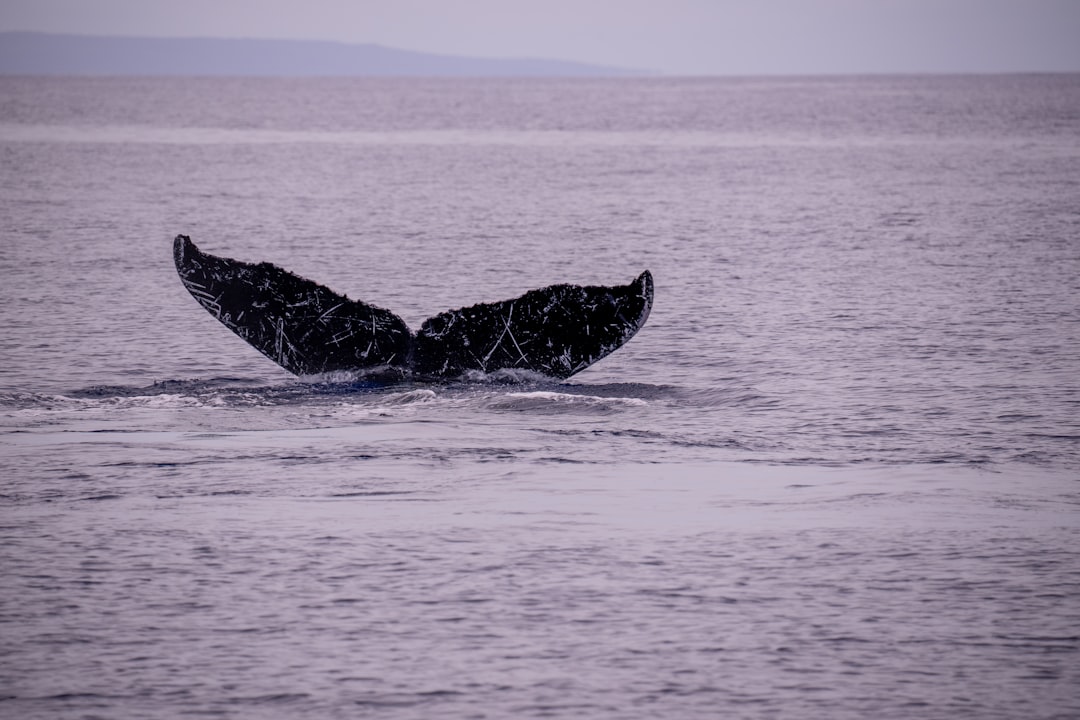 Photo: Chase Emmons / Unsplash
- What you'll see: breaching, tail slaps, and — if you're lucky — newborn calves swimming alongside their mothers. This is the most reliable behavioral show in the country.
- Where to go: Maalaea and Lahaina harbors on Maui are the main departure points; you can also spot whales from shore and from flights into Kahului.
- Why winter: Hawaii's water is the nursery. There's little to no whale watching in summer — the whales are up in Alaska feeding.
Whale watching pairs naturally with Maui's other water activities; our snorkeling in Hawaii guide covers the best reefs across Maui, Oahu, the Big Island and Kauai if you want to make a full marine wildlife day of it.
New England: Cape Cod, Stellwagen Bank & Maine
The East Coast's whale watching capital is Stellwagen Bank National Marine Sanctuary, a roughly 842-square-mile underwater plateau off Cape Cod where currents concentrate the bait fish whales chase.
- What you'll see: humpbacks are the star, joined by fin whales (the second-largest whale) and minke whales. Atlantic white-sided dolphins often ride the bow.
- Where to go: Provincetown, Barnstable and Gloucester (Massachusetts) are the main ports, with trips of 3–4 hours. Bar Harbor, Maine, offers a similar experience with the bonus of puffin colonies on some trips.
- Best months: mid-April through October, with particularly strong sightings in May–June and again in September.
Maine vs. Massachusetts — the PAA question everyone asks — comes down to logistics. Massachusetts (Stellwagen) is closer to Boston, has more operators and generally more consistent humpback sightings. Maine is more scenic and combines whales with Acadia National Park, but sightings of the big whales are a touch less predictable. If a whale is your priority, pick Massachusetts; if you want whales plus dramatic coastal scenery and puffins, Maine delivers. Either way, this coastline slots perfectly into a longer road trip — our New England fall road trip itinerary maps a 7-day route through Vermont, New Hampshire and Maine that you can extend to the coast.
The Southeast: Florida's Rare Right Whales
Florida's whale watching is a niche — but a significant one, because it's one of the only places in the world where you can see the North Atlantic right whale, the most endangered large whale species, with only about 360 individuals left.
- Where and when: from December through March, right whales migrate to the warm waters off northeast Florida and Georgia to calve. The viewing is centered around Jacksonville and St. Augustine.
- What to know: because the species is so endangered, boats must stay at least 500 yards away, and many charters emphasize education over chasing close encounters. This is a quieter, more conservation-focused experience than the humpback shows out west.
- Virginia Beach, Virginia, also runs winter humpback and fin whale trips from roughly December to March, for an East Coast option further north.
What Whales Will You Actually See?
Part of choosing a destination is choosing a whale. Here's the field guide:
- Humpback whale — the showman. Breaches, tail slaps, and bubble-net feeding. Most common whale on both coasts. 40–50 feet long.
- Gray whale — the long-distance migrant. Barnacle-encrusted, slow, hugging the coast. Best from California and Oregon.
- Blue whale — the record holder. The largest animal on Earth, up to about 100 feet. Mostly Southern California in summer.
- Fin whale — the sleek giant. Second-largest whale, fast, often seen off Cape Cod and California.
- Minke whale — the small, curious one. Common in New England; the hardest to get a long look at.
- Orca (killer whale) — technically the largest dolphin. Resident pods in the Pacific Northwest, transients in Alaska and California.
- North Atlantic right whale — the rarest sighting and the most heavily protected.
How Much Does Whale Watching Cost?
Expect to pay $50–$180 per person for a standard 2.5–4 hour tour, with regional differences:
- California (Monterey, San Diego): $60–$120
- Pacific Northwest (San Juan Islands): $80–$130
- Alaska (Juneau): $120–$180
- Hawaii (Maui): $60–$120
- New England (Cape Cod, Maine): $60–$120
- Florida / Virginia: $60–$120
Money-saving tips: book the first departure of the day (calmer seas, often cheaper), look for "no-whale = free return trip" guarantees that many operators offer, and check whether a marine naturalist is included — the narration is what turns a boat ride into an experience. Children's tickets are usually discounted, and off-peak weeks can be cheaper than weekends and holidays.
Rules, Ethics & How to Pick a Responsible Tour
Whales in U.S. waters are protected by the Marine Mammal Protection Act, and NOAA Fisheries enforces strict viewing rules that apply to everyone — including your tour boat.
- Distance: stay at least 100 yards from most whales. 200 yards for killer whales in Washington's inland waters. 500 yards for North Atlantic right whales.
- Never feed, touch, or swim with whales. Harassment — including repeatedly cutting off a whale's path — is illegal.
- Choose certified operators: look for the Whale SENSE logo (a NOAA-sponsored voluntary program for responsible Atlantic operators) and check reviews for companies that keep their distance, idle quietly, and staff a naturalist.
The most memorable trips aren't the ones that chase whales; they're the ones that let the whales choose to come close. A boat that cuts its engine and lets a curious humpback surface 30 yards away is doing it right.
FAQ
Where is the best place in the U.S. for whale watching? Monterey Bay, California, tops most lists because its deep submarine canyon brings multiple species — humpbacks, blue whales, gray whales and orcas — close to shore nearly year-round. Alaska's Juneau is the best for dense humpback feeding, and the San Juan Islands are the best for orcas.
In what states can you go whale watching? You can reliably whale watch in California, Oregon, Washington, Alaska, Hawaii, Massachusetts, Maine, Florida, Virginia and New York, among others. The heavy hitters are California, Washington, Alaska, Hawaii and Massachusetts.
What month is best for whale watching? It depends on the coast and species: December–April for gray whales in California and humpbacks in Hawaii; May–September for humpbacks and orcas in Alaska and the Pacific Northwest; April–October for humpbacks and fin whales in New England.
Is Maine or Massachusetts better for whale watching? Massachusetts is better for pure whale sightings — Stellwagen Bank off Cape Cod is one of the most reliable feeding grounds on the East Coast. Maine is better if you want whales plus Acadia National Park, puffins and dramatic coastal scenery.
Can you see whales from shore in the USA? Yes. Lime Kiln Point State Park in the San Juan Islands, Point Reyes and the Big Sur cliffs in California, and Maui's shoreline during winter humpback season all offer real shore-based sightings — though a boat trip dramatically improves your odds.
The Bottom Line
Whale watching in the USA is genuinely world-class, and you don't need to fly to the ends of the earth to do it. Pick your whale, match it to the season, and choose a responsible operator — then let the ocean do the rest.
- Winter (Dec–Apr): Maui for humpbacks, San Diego or Monterey for gray whales.
- Summer (May–Sept): Alaska for humpbacks, the San Juan Islands for orcas, Monterey for blues.
- Spring & fall: Cape Cod and Maine for humpbacks and fin whales.
If you're still weighing where to go, our coast-to-coast guide to the best beaches in the USA can help you turn a whale-watching day into a full coastal itinerary.
Want to build your own spot list?
Join Spotli.st and share your favorite places with the world.
Create my free account