San Diego in 2026: What to See, Do, and Eat in America's Finest City
Discover the best things to do in San Diego in 2026: beaches, Balboa Park, the Zoo, where to eat, day trips, and insider tips for America's Finest City.

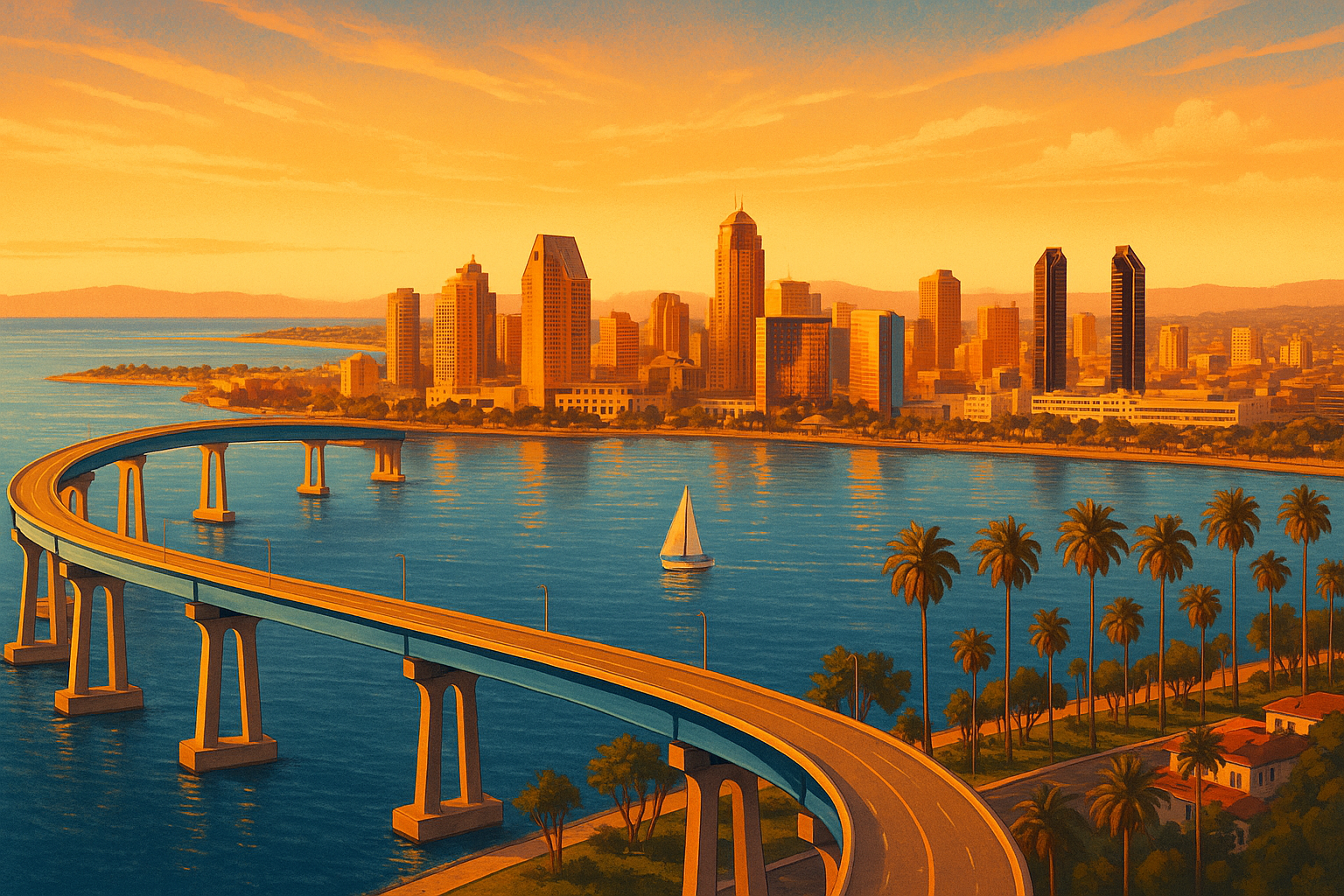
San Diego wears its nickname proudly — and honestly, it earns it every single day. Roughly 266 days of sunshine per year. Seventy miles of Pacific coastline. One of the world's great zoos. A craft beer scene that rivals any city in the country. And fish tacos that will ruin every other fish taco you eat for the rest of your life.
Figuring out the best things to do in San Diego is almost the real challenge — the city simply offers that much. Whether you're planning a long weekend escape, a full week's exploration, or a stop on a broader Southern California road trip, this guide covers everything: the unmissable sights, the best beaches, where to eat and drink, practical logistics, and how to make the most of every hour.
When Is the Best Time to Visit San Diego?
San Diego's climate is legendarily good, and almost any month works. That said, the nuances are worth knowing before you book:
- May–June: Expect "June Gloom" — a marine layer keeps mornings overcast before burning off by afternoon. Mild temperatures (mid-60s to low 70s °F), manageable crowds, and lower prices.
- July–September: Peak season. Warm, sunny, and busy. Beaches fill up and hotels cost more — but the weather is genuinely perfect, rarely topping 80°F thanks to the Pacific sea breeze.
- October–November: San Diego's best-kept secret. Warm, clear skies, and far fewer tourists. Arguably the ideal window for a first visit.
- December–April: "Winter" means mid-60s, occasional rain, and noticeably cheaper accommodation. The Zoo and museums are uncrowded; wildflowers start blooming in March.
Bottom line: Come July through October for peak beach weather. October–November or March offer the best combination of good conditions and breathing room.
How Many Days Do You Really Need?
Three to four days is the sweet spot for a first visit. Here's a practical framework:
- Day 1: Balboa Park + San Diego Zoo, Old Town in the evening
- Day 2: La Jolla Cove + kayaking, Torrey Pines hike, Gaslamp Quarter for dinner
- Day 3: Coronado Island morning, USS Midway Museum, Little Italy dinner
- Day 4 (optional): Day trip to Tijuana, or north to Carlsbad and Julian
Two focused days can cover the highlights — but San Diego is one of those cities that genuinely rewards return visits. For a similar planning framework applied to another classic American destination, see our guide on how many days you really need in Washington DC.
Neighborhoods to Know Before You Go
San Diego isn't one place — its neighborhoods each have a distinctly different character.
Gaslamp Quarter is downtown's historic core: 16 blocks of Victorian-era architecture, rooftop bars, restaurants, and nightlife that heats up after 9pm. It's the natural base for visitors who want to be in the thick of things.
Little Italy has transformed dramatically over the past decade — from a quiet immigrant enclave to one of San Diego's most vibrant dining neighborhoods. The Saturday Mercato on India Street (8am–2pm) is one of Southern California's best open-air markets.
North Park is where San Diego's creative class lives: craft breweries, indie coffee shops, vintage stores, and some of the city's most interesting restaurants. Less touristy, more authentic — worth a half-day if you're tired of playing tourist.
Ocean Beach and Pacific Beach deliver the classic California beach-town experience: boardwalks, surf shops, taco stands, and a laid-back energy that makes stress impossible. OB skews hippie and local; PB is younger and livelier.
La Jolla — technically part of San Diego — feels almost like a separate city: upscale, dramatically perched above the Pacific, home to the famous Cove, sea caves, Torrey Pines, and exceptional seafood.
The Unmissable Attractions
Balboa Park and the San Diego Zoo
Balboa Park is the cultural heartbeat of San Diego — the single most important destination in the city. At 1,200 acres, it's larger than New York's Central Park, housing 17 museums, multiple gardens, performance spaces, and the world-famous San Diego Zoo. The Spanish Colonial Revival architecture that defines the park dates from the 1915 Panama-California Exposition and remains breathtaking.
Plan at least half a day for the park itself. Standouts beyond the Zoo include the San Diego Museum of Art, the Natural History Museum, the Japanese Friendship Garden, and the Alcazar Garden — a serene geometric space inspired by the gardens of the Alcázar of Seville.
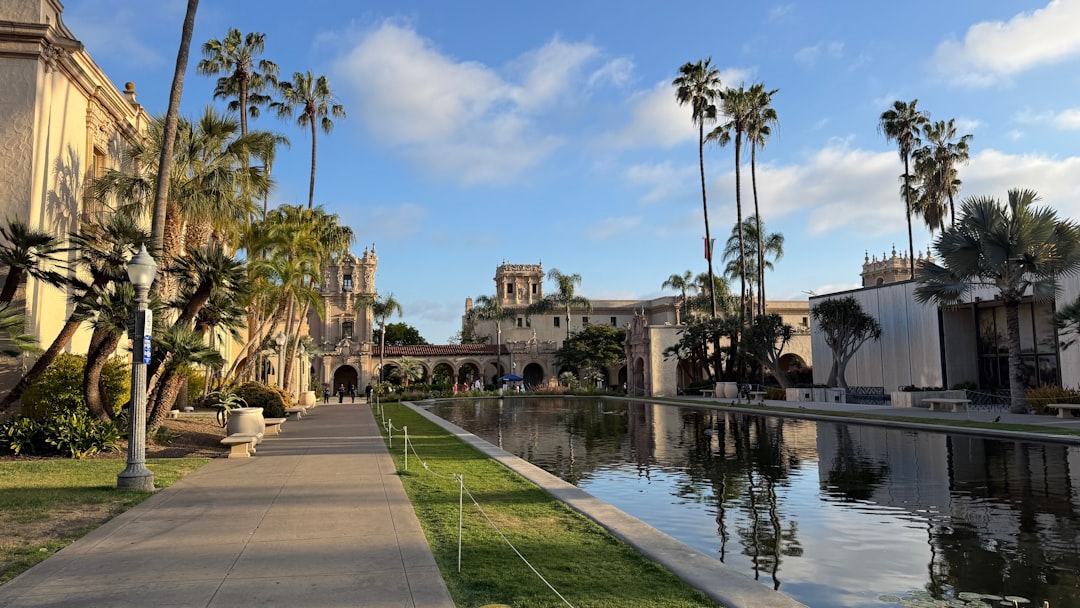 Photo by Chuang XY on Unsplash
The San Diego Zoo is genuinely one of the world's finest: over 3,500 animals representing more than 650 species, in a setting that pioneered open-air, barless exhibits when it opened in 1916. Budget at least three to four hours; a full day isn't overkill. Tickets run around $62 for adults in 2026 — book online to skip the entrance queue.
Also worth knowing: The San Diego Zoo Safari Park in Escondido (about 30 miles north) is a sprawling sister site with large open-air enclosures where rhinos, giraffes, and lions roam in African-savanna-style settings. It's a very different experience from the main Zoo — and well worth the extra drive if you have four days.
USS Midway Museum
Moored on the downtown waterfront, the USS Midway served from 1945 to 1992 — the longest-serving aircraft carrier of the 20th century. Today it's an extraordinary museum: 30 restored aircraft on deck and below, an audio tour narrated by veterans who actually served aboard, and flight simulators that put you in the cockpit. Few experiences deliver such a visceral sense of naval history. Admission runs around $32 for adults.
Old Town San Diego
California's first European settlement — or at least the site of it. The state historic park preserves buildings from the 1820s–1870s; the surrounding neighborhood is full of Mexican restaurants, mariachi music, and craft shops. Touristy, yes — but the historical grounding it provides is genuinely useful context for understanding the city.
Cabrillo National Monument
At the southern tip of the Point Loma Peninsula, Cabrillo marks where Europeans first set foot on the US West Coast in 1542. The views sweep 360 degrees: downtown San Diego, the bay, Mexico's Baja Peninsula, and the open Pacific. The tide pools below are among the most accessible in Southern California — visit at low tide for the best experience.
San Diego's Best Beaches
With 70 miles of coastline and over 30 individual beaches, San Diego offers real variety. These are the ones worth prioritizing:
La Jolla Cove
The crown jewel: a protected small bay surrounded by sandstone cliffs, with water so clear and calm it resembles the Caribbean. California sea lions and harbor seals haul out on the rocks and swim alongside snorkelers. The Children's Pool area, a short walk south, often has the highest concentration of seals. Arrive before 10am in summer — it fills up fast.
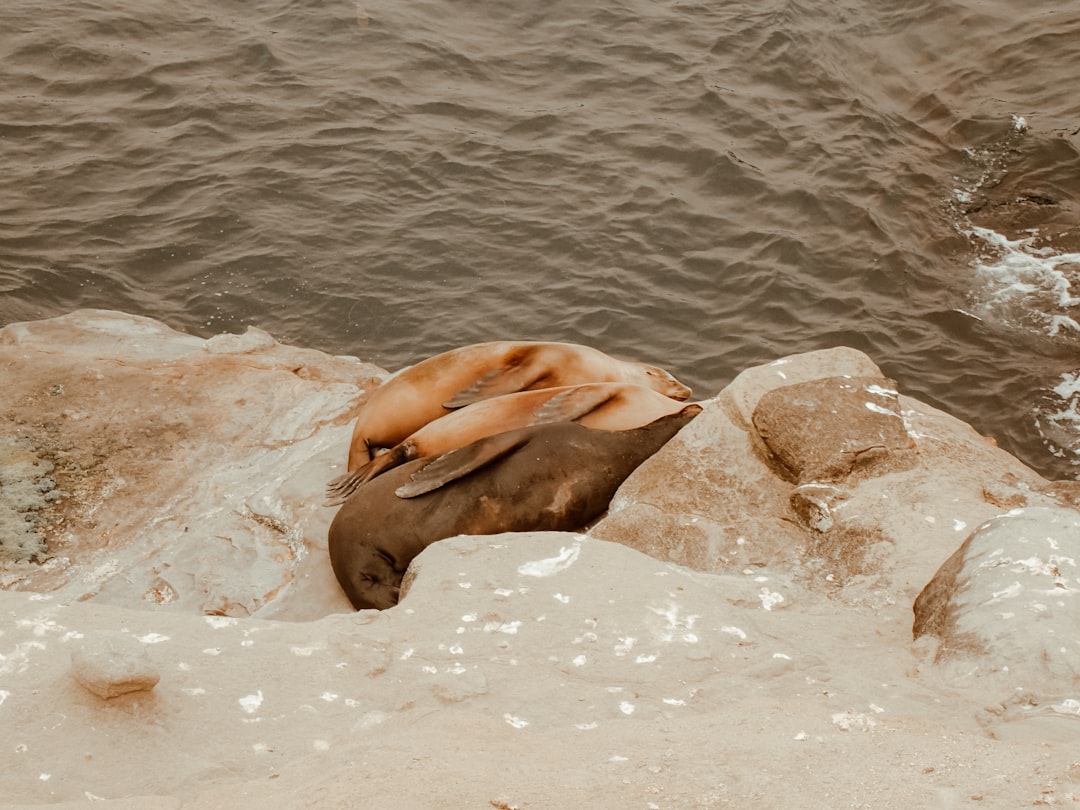 Photo by Kara Peak on Unsplash
Coronado Beach
Consistently ranked among the most beautiful beaches in America. Backed by the iconic Hotel del Coronado — a Victorian-era landmark opened in 1888 — with soft white sand and brilliant blue-green water. Get there by a 15-minute drive over the Coronado Bridge, or a $5 ferry ride from downtown followed by a scenic bike path to the sand.
Mission Beach, Pacific Beach, and Belmont Park
Three miles of continuous sand connected by the Mission Beach Boardwalk — volleyball courts, surf rentals, rollerbladers, and the joyful beach-town chaos California perfected. At the heart of Mission Beach sits Belmont Park, a historic beachfront amusement park featuring the Giant Dipper — a wooden roller coaster that has been thrilling riders since 1925 and still operates today. Mission Beach skews more family-oriented; Pacific Beach gets louder come evening.
Sunset Cliffs Natural Park
A completely different kind of coastal experience. Here, the Pacific crashes against layered sandstone cliffs that glow amber and orange as the sun drops. There's no sandy beach — just a clifftop park where you watch the horizon. Arrive 30 minutes before dusk, claim a spot on the rocks, and don't rush to leave. It's one of San Diego's most underrated and genuinely moving views.
Torrey Pines State Beach
Backed by 300-foot sandstone cliffs and the rarest coastal pine forest on Earth, this beach is dramatic in a way the others aren't: quieter, wilder, and worth the extra drive north. Pair it with a hike up to the reserve above for a full morning.
Outdoor Adventures Beyond the Sand
Torrey Pines State Natural Reserve
One of San Diego's greatest and most underrated assets. Trails wind through coastal bluffs above the Pacific, past ancient Torrey pines (only about 9,000 survive in the wild worldwide), and through sandstone canyon formations. The Guy Fleming Trail (1.5 miles, easy) offers sweeping ocean panoramas; the Razor Point Trail (1.6 miles, moderate) delivers otherworldly badlands views. Parking costs $20–25 on weekends; the hike itself is free.
If you're building an itinerary around great American outdoor experiences, our guide to the best national parks in the USA pairs well with a San Diego trip.
Torrey Pines Gliderport
Just above the reserve, this clifftop launch site is where paragliders and hang gliders take off above the Pacific — one of the most spectacular free-flight locations in the country. You don't need to be a pilot to enjoy it: watching the launches from the Cliffhanger Cafe is free, dramatic, and genuinely thrilling. Tandem paraglider flights can be booked from around $175.
Kayaking the La Jolla Sea Caves
Seven sea caves carved into La Jolla's sandstone cliffs are accessible by kayak. The most famous — Sunny Jim Cave — can also be reached via a staircase from above the Cove. Guided kayak tours typically run $35–65 per person for a 2-hour session, with all gear included.
Surfing in San Diego
Pacific Beach and Mission Beach offer gentle, beginner-friendly breaks with surf schools everywhere. More experienced surfers head to Ocean Beach, Bird Rock, or Blacks Beach near Torrey Pines. Group lessons start around $60–80 for a 90-minute session.
Where to Eat and Drink in San Diego
Fish Tacos: The Non-Negotiable
If San Diego has a signature dish, this is it — battered or grilled fish, shredded cabbage, pico de gallo, and crema on a warm corn tortilla. The style crossed up from Baja California and became a local institution. Oscar's Mexican Seafood (multiple locations) and South Beach Bar & Grille in Ocean Beach are reliable favorites. On Saturday mornings, the Tuna Harbor Dockside Market downtown sells fresh-caught local seafood directly off the boats — bluefin, yellowtail, rockfish, even uni. Distance from ocean to plate: roughly 50 feet.
Little Italy's Food Scene
The Saturday Little Italy Mercato (India Street, 8am–2pm) is one of Southern California's best farmers' markets, combining produce, prepared food, and local vendors into a lively morning scene. For dinner: Ironside Fish & Oyster for polished seafood and an excellent raw bar; Born & Raised for serious steakhouse cooking; Herb & Wood for wood-fired California cuisine in a stunning industrial-chic space.
For more food-forward city guides, our roundup of where to eat in New Orleans covers another American city that treats its local cuisine as identity.
The Craft Beer Scene
San Diego has over 150 local breweries — a number backed by real quality. Stone Brewing World Bistro & Gardens (Liberty Station location is most convenient for visitors) is a solid introduction to the scene. North Park's brewery corridor — Mike Hess Brewing, North Park Beer Co., and Modern Times — clusters several excellent taprooms within comfortable walking distance. A North Park brewery crawl is a legitimate full-afternoon plan.
The Gaslamp Quarter After Dark
After 9pm, the Gaslamp's Victorian blocks come fully alive. Altitude Sky Lounge offers panoramic downtown views with cocktails; Noble Experiment is a speakeasy hidden behind a bookshelf (book a reservation well ahead). For late-night eating, the Quarter covers everything from Japanese ramen to Argentine empanadas.
Day Trips Worth Planning
Coronado Island
More peninsula than island, Coronado is worth an afternoon. The Hotel del Coronado alone justifies the trip: a National Historic Landmark opened in 1888, all white Victorian gingerbread grandeur directly on the beach. Even non-guests can have a drink or lunch on the property. The village of Coronado itself has charming boutiques and peaceful streets ideal for wandering.
Tijuana, Mexico
Crossing into Tijuana is easier than most Americans expect — take the San Diego trolley to San Ysidro and walk across the world's busiest land border. Tijuana has genuinely excellent food: Zona Gastronómica on Avenida Sánchez Taboada hosts some of Mexico's most exciting contemporary cuisine, and the Mercado Hidalgo has top-tier street food. A half-day excursion is realistic; plan to return before the evening border rush.
Julian
Ninety minutes east in the mountains, the gold-rush-era town of Julian is famous for its apple orchards and legendary pies. Fall brings the harvest and Southern California crowds; spring brings quiet beauty and wildflowers. It's a completely different side of San Diego County — rolling hills, century-old orchards, and a town that hasn't changed much since the 1880s.
San Diego as Part of a Southern California Trip
San Diego sits at the southern end of one of America's great travel corridors. Los Angeles is just two hours north on the I-5 — our guide on things to do in Los Angeles is a useful companion if you're combining both cities. Add San Francisco and the route becomes a classic Pacific Coast Highway adventure — arguably the definitive American road trip.
Getting Around and Budget Basics
Getting around: San Diego is fundamentally a car city. The trolley system covers downtown, the airport, Old Town, and the Mexican border — but reaching La Jolla, Torrey Pines, the beaches, or Zoo Safari Park requires a car or rideshare. Rideshare is reliable and reasonably priced. Downtown parking runs $15–25/day; La Jolla street parking is competitive on weekends.
Airport: San Diego International (SAN) is one of the most conveniently located airports in the US — downtown in under 10 minutes.
Budget benchmarks for 2026:
| Category | Cost |
|---|---|
| Budget hotel or hostel | $80–120/night |
| Mid-range hotel | $180–280/night |
| Luxury (Hotel del Coronado, Lodge at Torrey Pines) | $400–600+/night |
| Mid-range restaurant meal | $18–30/person |
| Fish taco (street stand) | $4–6 |
| San Diego Zoo adult entry | ~$62 |
| USS Midway adult entry | ~$32 |
| Torrey Pines hike | Free (parking $20–25 weekends) |
| Kayak tour, La Jolla | $35–65/person |
| Tandem paraglide, Torrey Pines Gliderport | ~$175 |
Getting there: SAN is served by all major US carriers with direct flights from most hubs. Amtrak's Pacific Surfliner runs between San Diego and Los Angeles in 2.5–3 hours — a scenic and genuinely stress-free alternative to the I-5.
FAQ
What should I not miss in San Diego? Balboa Park (with the Zoo), La Jolla Cove, Sunset Cliffs at dusk, and a proper fish taco from a local taqueria — these four experiences are distinctly San Diego and can't be adequately replicated elsewhere. The USS Midway Museum and Torrey Pines State Natural Reserve complete the essential list.
What is the number one attraction in San Diego? The San Diego Zoo consistently tops rankings, and the reputation is deserved — it's among the world's finest, with over 3,500 animals across 650 species. But Balboa Park as a whole (the Zoo is just one piece) is arguably the more complete experience: 1,200 acres of museums, gardens, and stunning Spanish Colonial architecture that can genuinely fill an entire day.
How do you spend 3 perfect days in San Diego? Day 1: Balboa Park and the Zoo all day, dinner in Little Italy. Day 2: La Jolla Cove and sea cave kayaking in the morning, Torrey Pines hike, Gaslamp Quarter for dinner and drinks. Day 3: Coronado Island beach morning, USS Midway Museum in the afternoon, North Park brewery crawl in the evening.
What are the best things to do in San Diego for couples? Sunset at Sunset Cliffs followed by dinner at Herb & Wood in Little Italy. A morning kayak through the La Jolla sea caves. A lazy afternoon on Coronado Beach. An evening at Noble Experiment speakeasy. San Diego is naturally romantic without requiring a big budget.
Is San Diego expensive? More affordable than San Francisco, broadly comparable to Los Angeles. Smart planning — free beaches, free hikes, $5 street tacos, free gliderport viewing — can keep daily costs around $100–120 per person excluding accommodation.
Is San Diego good for families? Exceptionally. The Zoo, Balboa Park, Legoland (in Carlsbad, 30 minutes north), Belmont Park's roller coaster, Cabrillo tide pools, and the reliably mild weather year-round make it one of the most consistently family-friendly major cities in the US.
San Diego doesn't need to shout. It has 70 miles of Pacific coast, a world-class zoo, craft beer that converts wine drinkers, and tacos that have no business tasting that good. "America's Finest City" might sound like civic boosterism. After a few days there, it just sounds accurate.
Want to build your own spot list?
Join Spotli.st and share your favorite places with the world.
Create my free account