Denver, Colorado: The Best Things to Do in the Mile High City
Discover the best things to do in Denver, Colorado — Red Rocks, RiNo breweries, Rocky Mountain day trips, top museums & where to eat in 2026.
Denver, Colorado: The Best Things to Do in the Mile High City
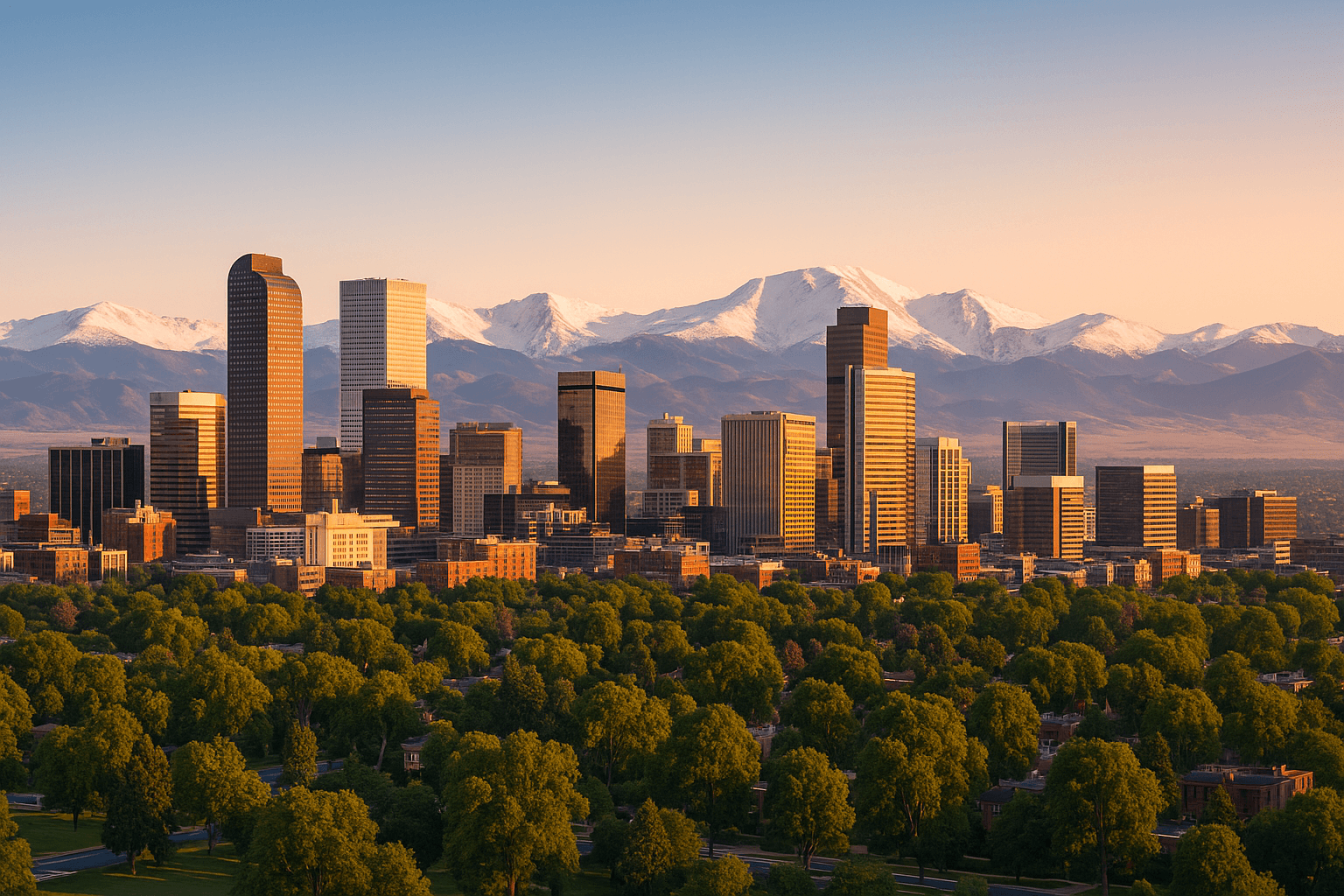
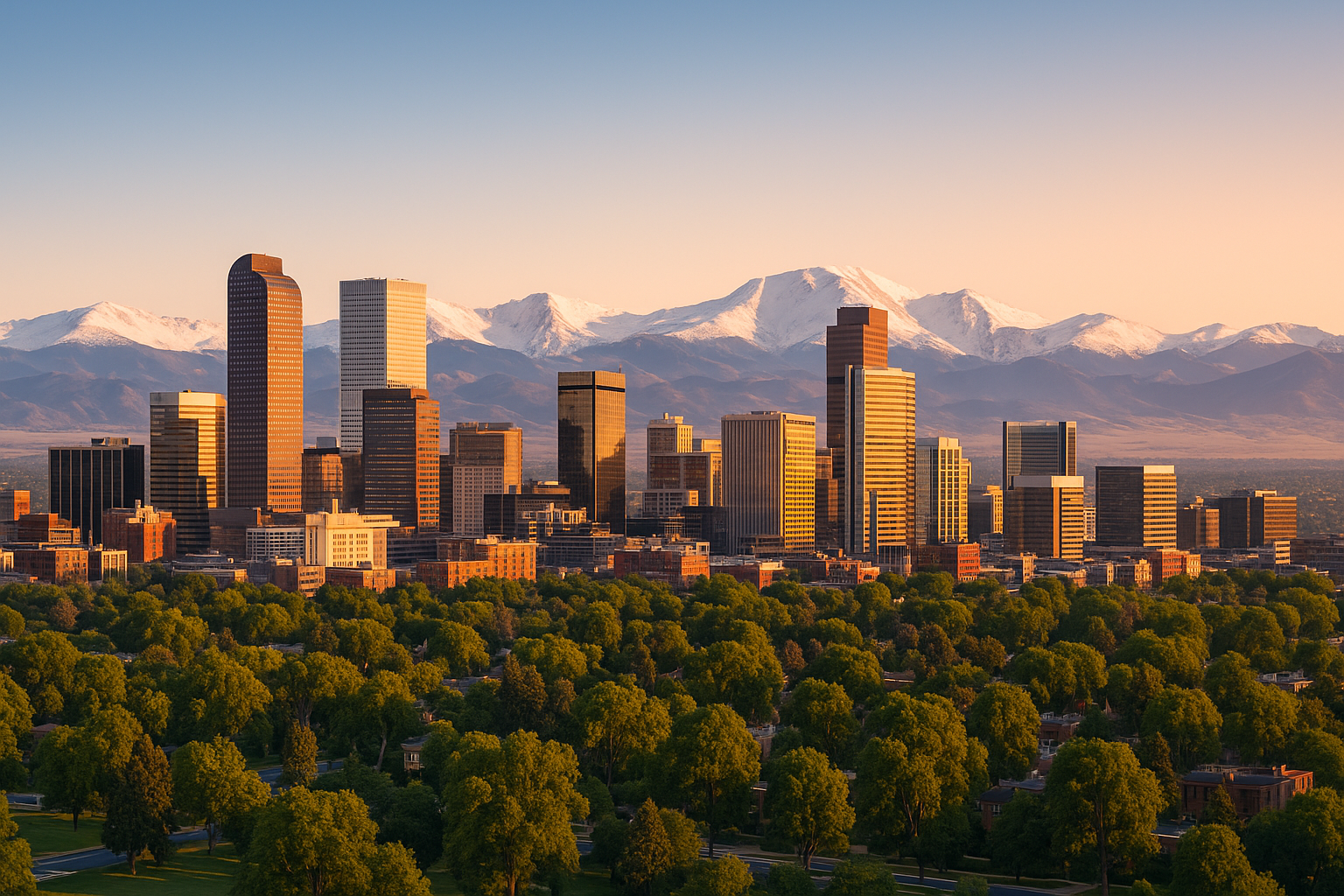
Denver sits exactly one mile above sea level — you'll feel it on your first steep uphill walk and taste it in every sip of its astonishingly good craft beer. The city enjoys over 300 days of sunshine a year, has a world-class arts and food scene, and sits less than two hours from Rocky Mountain National Park. It's a place where you can spend the morning in a world-class art museum, be on a mountain trail with panoramic views of the Front Range by afternoon, and debate which of 400+ local breweries makes the best IPA by evening.
Denver's top attractions in brief: Red Rocks Amphitheatre and Park, the Denver Art Museum, Union Station and the LoDo neighborhood, RiNo's murals and breweries, and a day trip to Rocky Mountain National Park are the non-negotiables. Add the Denver Museum of Nature & Science, Meow Wolf's Convergence Station, and a game at Coors Field for a truly full experience.
Whether you're planning a long weekend or a full week, Denver rewards every type of traveler. Here's everything you need to know.
Red Rocks & the Great Outdoors: Denver's Natural Stage
Denver is, above all else, a city defined by its relationship with the natural world — and nowhere is that clearer than at Red Rocks Amphitheatre.
Located just 15 miles west of downtown in Morrison, Red Rocks is one of the most photographed — and most beloved — music venues on earth. The naturally occurring geological formations, roughly 300 million years old and rising up to 400 feet, frame a 9,525-seat outdoor stage that has hosted everyone from The Beatles to Radiohead. Even without a concert (the summer season runs May through October), the park is open year-round for hiking, sunrise yoga sessions, and some of the best views of Denver and the eastern plains. The Trading Post Trail (1.4 miles) winds between the formations and is one of the most rewarding short hikes in the Denver metro area. Get there early on concert days — parking fills by mid-afternoon.
Back in the city, Washington Park is Denver's most beloved green space — 165 acres with two lakes, jogging paths, tennis courts, and a flower garden that blooms spectacularly in June. It's where locals come on weekend mornings to run, cycle, and meet friends for coffee. City Park, to the north, offers postcard views of the mountains from Ferril Lake on clear days and is home to both the Denver Museum of Nature & Science and the Denver Zoo.
The Denver Botanic Gardens rank among the finest in North America. The 24-acre York Street site features over 45 specialty gardens — including a Japanese garden, a rock alpine garden, and a tropical conservatory — plus a summer concert series that rivals Red Rocks for sheer ambiance. Admission runs around $17 for adults; members and children under 3 are free.
The Cherry Creek Trail offers 40 miles of paved path running from downtown Denver through the suburbs — ideal for cycling, skating, or a long run. Rent a B-Cycle (Denver's bike-share) from virtually anywhere downtown and you're on the trail within minutes.
LoDo, RiNo & the Neighborhoods That Define the City
Understanding Denver means understanding its neighborhoods. The city is remarkably walkable if you pick the right pocket — and a few in particular are essential.
LoDo (Lower Downtown) is Denver's historic core. The red-brick 19th-century warehouse buildings and Victorian storefronts along Larimer Street give the area a sense of urban grit that has been carefully preserved. Union Station, the centerpiece of LoDo, is a stunning 1914 Beaux-Arts train terminal reimagined as a hotel and marketplace — the ground-floor Great Hall is one of the best spots in the city for a drink and some people-watching. Nearby, Larimer Square is Denver's oldest block: an atmospheric strip of acclaimed restaurants, cocktail bars, and boutiques lit up by string lights at night. Book a reservation here in advance — this is one of the most competitive dining strips in the city.
RiNo (River North Art District) is where Denver's creative energy concentrates. What was once a scrappy industrial neighborhood north of downtown is now one of the most visually dynamic urban areas in the American West. The warehouses are covered in massive murals by local and international artists — take a self-guided walk along Brighton Boulevard and Blake Street, or book a guided street art tour for the full historical context. RiNo is also ground zero for Denver's brewery scene: Bierstadt Lagerhaus, Ratio Beerworks, Cerebral Brewing, and a dozen more are all within easy walking distance of each other.
LoHi (Lower Highlands), just across the Platte River from LoDo, has the best rooftop bar scene in the city. The neighborhood sits on a slight bluff with sweeping views of downtown — grab a table at Linger (a converted mortuary turned global street food restaurant) or Avanti Food & Beverage, a collective food hall with eight rotating local vendors.
Capitol Hill stretches east of downtown with a grittier, more bohemian feel — record stores, vintage shops, and dive bars alternate with grand Victorian homes. Colfax Avenue, which bisects it, was once dubbed "the longest, wickedest street in America" by Playboy magazine; today it's more interesting than dangerous, with indie music venues, late-night diners, and the Molly Brown House Museum — the preserved Victorian home of the Titanic survivor and Denver socialite, with guided tours available for around $15.
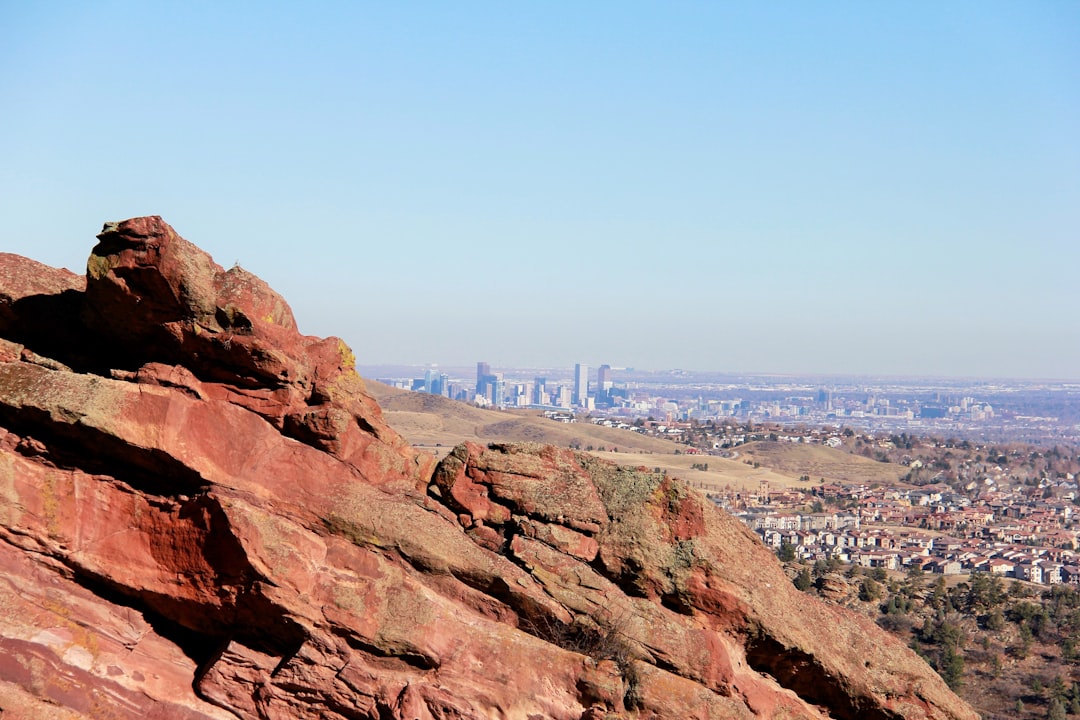 Photo by Justin Wang on Unsplash
Museums, History & Cultural Institutions Worth Your Time
Denver punches well above its weight culturally. Several institutions in particular are worth your time regardless of whether you consider yourself a "museum person."
The Denver Art Museum (DAM) holds one of the most significant collections of Native American art in the world — over 20,000 objects spanning thousands of years. The main building, designed by Daniel Libeskind, is itself a conversation-starter: an angular titanium-paneled structure that looks like a shard of mountain thrust into the urban fabric. Beyond Native American art, the permanent collection ranges from pre-Columbian artifacts to Western American painting to contemporary work. Admission is around $22 for adults; first Saturdays are free.
The Denver Museum of Nature & Science (DMNS) in City Park is one of the finest natural history museums in the country. The gem and mineral collection features over 4,500 specimens — including the second-largest gold nugget found in its natural state anywhere in the world. The space exploration exhibits and Egyptian mummies galleries are perennial favorites; IMAX screenings run daily.
For something more unexpected, Meow Wolf's Convergence Station in the Sunnyside neighborhood is a 90,000-square-foot immersive art experience — equal parts funhouse, narrative puzzle, and contemporary art installation. Plan on spending two to three hours; you'll still leave feeling like you've missed something.
History buffs should book the Denver Mint tour (free, but reserve online weeks in advance — they fill up fast). Established in 1906, the Denver Mint produces billions of coins annually; the tour is a surprisingly compelling window into both US monetary history and Colorado's role in it. Pair it with a visit to the History Colorado Center downtown, whose interactive exhibits on the state's past — from indigenous cultures through the gold rush to the modern era — are among the most engaging state history presentations in the country.
On the sports side, Coors Field (home of the MLB's Colorado Rockies, April–October) in LoDo is worth a visit even if you're not a baseball fan — catching a summer evening game with the mountains just visible beyond the outfield is a quintessential Denver moment. The Denver Broncos (NFL, August–January) play at Empower Field at Mile High, and the Denver Nuggets (NBA, October–April) are at Ball Arena; both are easily reached by light rail.
Craft Beer, Food & the Denver Dining Scene
Denver has more craft breweries per capita than almost any other major American city — over 400 in the metro area — and the culture around them is not a trend but a defining civic identity.
The Great American Beer Festival, held every October at the Colorado Convention Center, is the largest and most prestigious beer competition in the United States, with over 4,000 beers from 800+ breweries. You don't need to time your trip around it, though: Denver's beer trail works beautifully any time of year.
Start at Great Divide Brewing (one of Colorado's oldest and most decorated craft breweries), walk to Bierstadt Lagerhaus for hyper-traditional German-style lagers, then head to Cerebral Brewing on East Colfax for a rotating tap list that reads like a graduate seminar in modern brewing. For a historical footnote: Wynkoop Brewing Company in LoDo was founded in 1988 by then-future Colorado Governor John Hickenlooper — one of the longest-running brewpubs in the American West.
The restaurant scene has matured enormously over the past decade:
- Denver Central Market (RiNo): A food hall with eight local vendors under one roof — charcuterie, coffee, fresh pasta, oysters. The best quick stop for visitors in the neighborhood.
- Mercantile Dining & Provision (Union Station): James Beard Award nominee Alex Seidel's flagship. Colorado-sourced, seasonal cooking at its finest. Reserve weeks ahead.
- Steuben's (Uptown): A Denver classic — 1950s diner aesthetic, elevated American comfort food, and a lobster roll that gets talked about all over town.
- Root Down (LoHi): Vegetarian and vegan-forward global street food in a converted 1950s gas station. One of the most charming dining rooms in the city.
- La Loma (Jefferson Park): New Mexican-style enchiladas and some of the best rooftop margaritas in the city. A Denver institution since 1981.
For local color and fresh produce, the Cherry Creek Farmers Market (Wednesdays and Saturdays, June through November) draws over 100 vendors: Colorado peaches, local honey, artisan cheeses, and enough food trucks to constitute lunch.
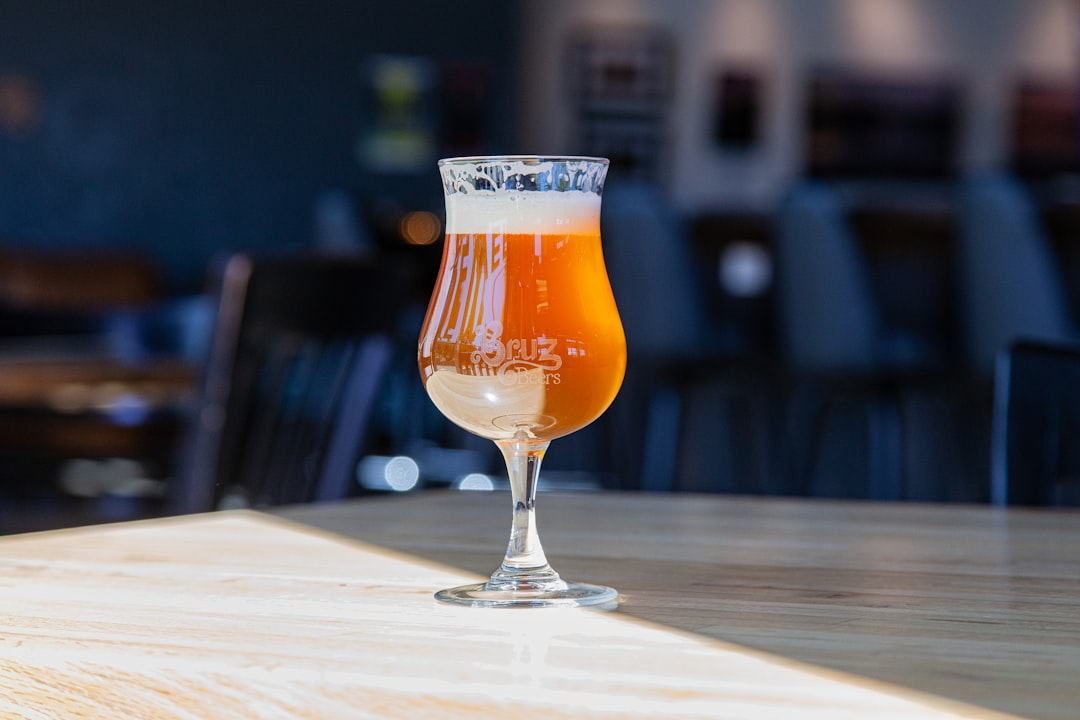 Photo by Lucas Alexander on Unsplash
Day Trips from Denver: Mountains, Parks & More
One of Denver's most powerful selling points is what surrounds it. Within two hours in almost any direction, you can be in landscapes that look like nothing else in North America.
Rocky Mountain National Park (90 minutes north via Highway 36 through Estes Park) is the crown jewel. Trail Ridge Road, which crosses the Continental Divide at 12,183 feet, is one of the highest paved roads in the United States and earns its place among the most scenic drives in America. The park's most popular hike — to Emerald Lake (3.2 miles round trip from the Bear Lake trailhead) — packs extraordinary alpine scenery into a manageable outing. Go mid-week if possible; weekends in summer bring serious crowds. Rocky Mountain NP is consistently ranked among the best national parks in the USA and draws over 4.5 million visitors annually.
Mount Evans Scenic Byway (1 hour west of Denver) gives you the fastest route to 14,000+ feet in North America — the summit road crests at 14,130 feet. Typically open late May through early September, it offers views spanning hundreds of miles of the Front Range on clear days. A timed reservation is required in summer; check the Mount Evans Recreation Area website before you go.
Colorado Springs & Garden of the Gods (1 hour south on I-25) is another essential outing. The Garden of the Gods — a city park with towering red sandstone spires rising 300 feet from the valley floor — is free to enter and spectacular in any light. Pair it with a drive up Pikes Peak (14,115 feet) by cog railway or toll road, or a visit to the Cheyenne Mountain Zoo, built into the hillside at 6,800 feet.
Breckenridge (1.5 hours west on I-70) is one of Colorado's most beloved mountain towns. In summer, ski runs transform into hiking and mountain biking trails; in winter, it's one of the finest ski resorts in the US with over 2,900 skiable acres and a historic Victorian Main Street lined with excellent restaurants and bars.
Estes Park (75 minutes north) serves as the eastern gateway to Rocky Mountain National Park and is charming in its own right — elk wander through town in fall, the independently owned shops are worth browsing, and the historic Stanley Hotel (the inspiration for Stephen King's The Shining) is open for meals, tours, and very atmospheric overnight stays.
If you're using Denver as a launchpad for a longer journey through the West, our complete guide to planning a US road trip covers everything you need to map your route.
How to Plan Your Denver Trip: Practical Tips
Best time to visit Denver
Denver is a genuine four-season destination — each has a distinct personality.
- Spring (April–May): Unpredictable weather (late-April snowstorms happen), but the city comes alive with events and crowds are manageable.
- Summer (June–August): Peak season. Temperatures reach the mid-80s°F (28–32°C), days are long, Red Rocks concerts are in full swing. Book accommodation 3–4 months out.
- Fall (September–October): Arguably the best time to visit. Temperatures drop pleasantly, the aspens turn gold across the mountains, and the Great American Beer Festival draws a lively crowd. Denver earns a strong mention on any list of US cities to visit in fall.
- Winter (November–March): Ski season. Denver itself gets modest snowfall (the mountains take most of it), but it's the gateway to world-class resorts. Hotel prices drop and museum crowds thin out considerably.
How many days you need
Three days is the practical minimum for first-timers: one day for downtown and neighborhoods, one for Red Rocks and a museum, one for a mountain day trip. Four to five days lets you breathe — add Rocky Mountain National Park, Breckenridge, and a proper brewery crawl without feeling rushed.
Getting around Denver
The RTD light rail connects Denver International Airport to Union Station downtown in 35 minutes (~$11) — skip the taxi queue entirely. The 16th Street Mall Free MallRide runs east–west through downtown. B-Cycle bike-share covers most core neighborhoods. Rideshare (Uber/Lyft) works reliably across the metro. A rental car is only necessary for day trips outside the city.
Altitude acclimatization
At exactly 5,280 feet, Denver's altitude catches some visitors off guard. Common symptoms — mild headache, fatigue, and slight breathlessness — ease after 24–48 hours. Drink more water than usual (altitude accelerates dehydration), limit heavy alcohol on your first evening, and if you're planning hikes above 10,000 feet, spend at least one full day in Denver first to adjust.
Budget planning
A mid-tier downtown hotel runs $150–$220/night; budget options in Capitol Hill or the Baker neighborhood start around $80–100. Brewery pints average $6–8. A solid dinner with drinks runs $40–60 per person at most restaurants. Museum admissions are typically $18–25 per adult; most major museums offer free admission on first Saturdays.
Frequently Asked Questions About Denver
What should I not miss in Denver?
The absolute non-negotiables are Red Rocks Park & Amphitheatre, the Denver Art Museum, Union Station and the LoDo neighborhood, and a walk through RiNo's street art and brewery district. For the full Denver experience, add a day trip to Rocky Mountain National Park or Colorado Springs — the city's power comes precisely from its proximity to these landscapes.
What is the number one attraction in Denver?
By global reputation and sheer impact, Red Rocks Park & Amphitheatre is Denver's single most iconic attraction — a 2,000-acre natural park with geological formations dating back 300 million years and a concert venue that appears on nearly every "best in the world" list. The park is free to visit (concerts require tickets) and open daily year-round.
What is the best way to spend 3 days in Denver?
Day 1: Explore LoDo and RiNo on foot — Union Station, Larimer Square, the RiNo murals, lunch at Denver Central Market, afternoon at the Denver Art Museum, dinner in LoHi. Day 2: Drive to Red Rocks for the Trading Post Trail and views, then stop at the Denver Botanic Gardens on the way back; evening brewery crawl in RiNo. Day 3: Full-day trip to Rocky Mountain National Park (Trail Ridge Road + Emerald Lake hike) or Colorado Springs (Garden of the Gods + Pikes Peak).
What to do in Denver for 4 days?
Follow the three-day plan above and use the fourth day for the Denver Museum of Nature & Science, a Colorado Rockies game at Coors Field (summer/fall), and a deeper neighborhood explore — Capitol Hill, the Molly Brown House Museum, and a late evening at one of RiNo's rooftop bars round out a very satisfying visit.
Denver doesn't ask you to choose between city life and the great outdoors — it delivers both at once, with 300 days of sunshine and a food-and-drink culture that could anchor a trip entirely on its own. Few American cities manage this balance as naturally or as confidently. The Mile High City consistently over-delivers. The only real mistake is not staying long enough.
Want to build your own spot list?
Join Spotli.st and share your favorite places with the world.
Create my free account