America's Most Underrated Cities: 10 Hidden Gems Worth Your Trip in 2026
Skip the tourist traps and discover America's most underrated cities — Pittsburgh, Asheville, Kansas City, Albuquerque, and 6 more hidden gems worth the trip.
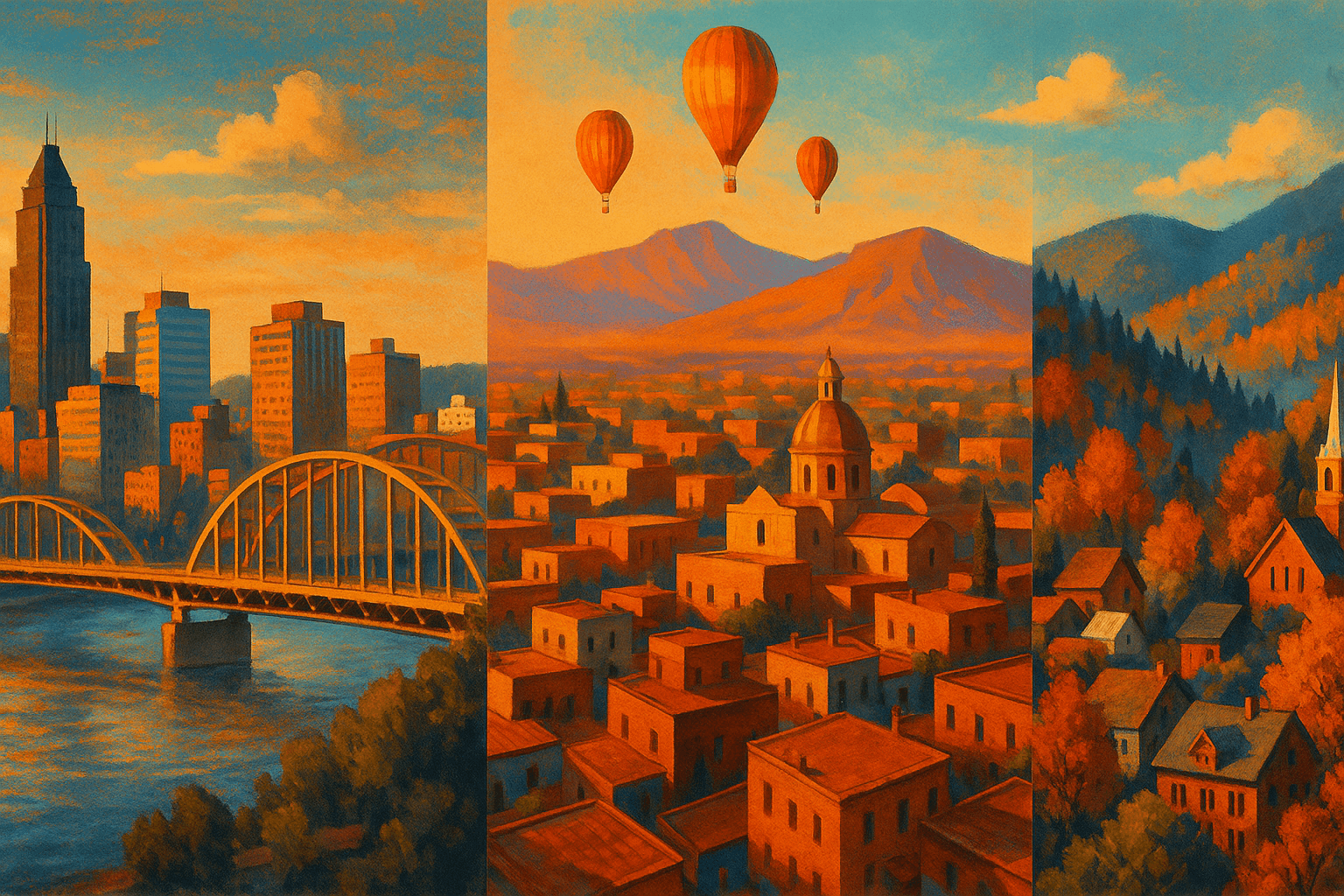
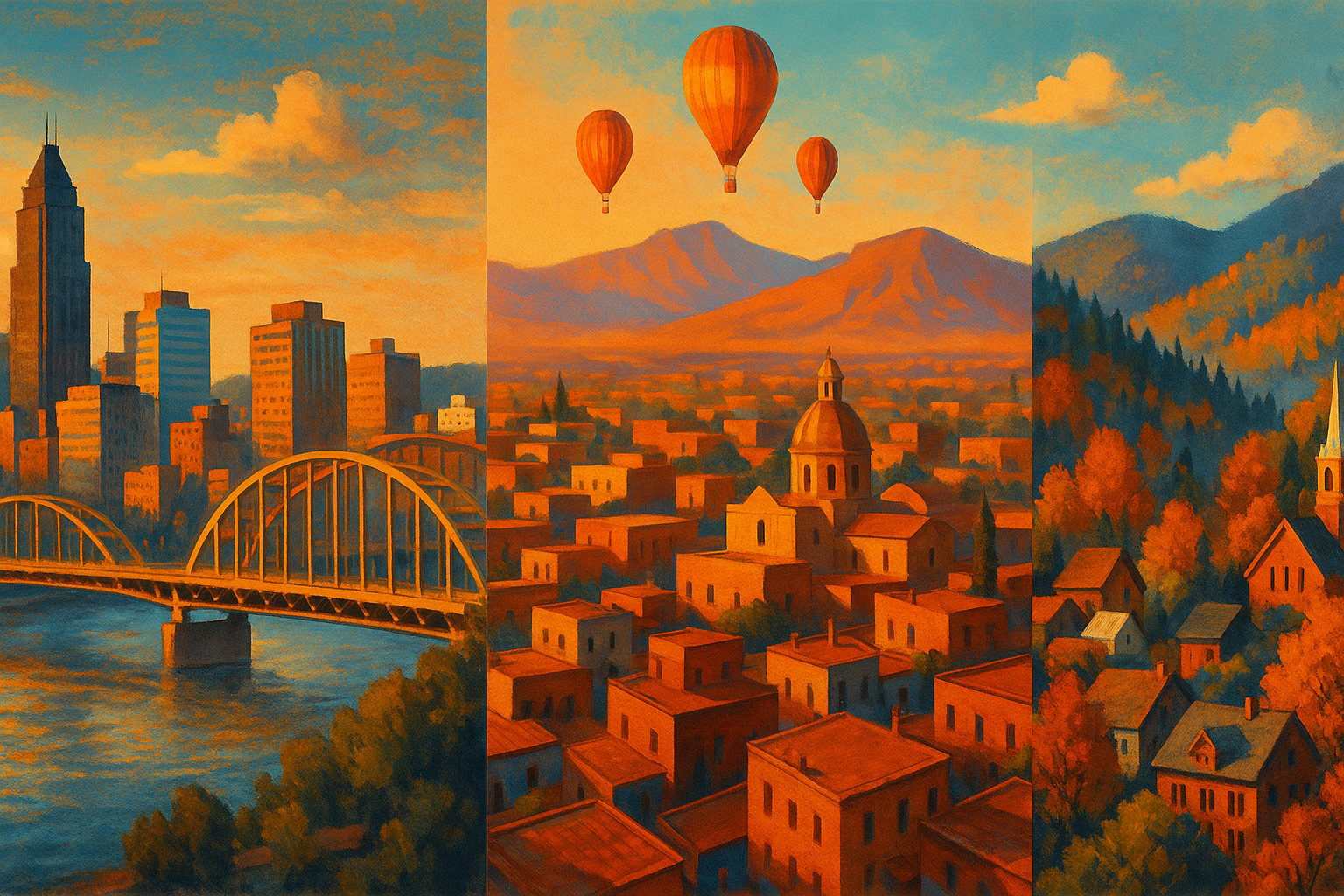
Every year, millions of travelers make the same choices. The debate between New York and Los Angeles dominates every travel forum on the internet, Chicago gets its due, and Las Vegas fills hotel rooms year-round. These are all worthy destinations — but America is far larger and stranger than this short list suggests.
The most underrated cities in America include places like Pittsburgh, Asheville, Kansas City, Albuquerque, and St. Louis — cities where your travel dollar goes further, the crowds are thinner, and the experiences feel genuinely authentic rather than curated for a tourist industry.
The US contains 50 wildly different states, each with its own culture, landscape, and culinary identity. Between the famous skylines and the marquee national parks lies a second tier of American cities that most travelers never prioritize — places where the food is extraordinary, the museums are world-class, and you won't need to fight for a table or a parking spot.
This is a guide to 10 of the most underrated cities in America that deserve a spot on your travel list in 2026. These aren't obscure small towns. Many are mid-sized cities with legitimate cultural credentials. They've simply escaped the mass-tourism machine that sends visitors to the same dozen destinations by default.
Pittsburgh, PA — The Rust Belt City That Reinvented Itself
Few American cities have undergone a more dramatic transformation than Pittsburgh. Once the smoky engine of America's steel industry, Pittsburgh has spent the last 40 years reinventing itself into one of the country's best mid-sized cultural hubs — powered by Carnegie Mellon University, a thriving tech and robotics sector, and an arts scene that genuinely surprises first-time visitors.
The geography alone is striking. Pittsburgh sits at the confluence of the Allegheny, Monongahela, and Ohio rivers, draped across a series of hills that create a dramatically layered skyline. Two historic inclines (cable cars dating to the 1870s) carry passengers up Mount Washington, where the view of downtown arranged against the riverscape is one of the great overlooked urban panoramas in America.
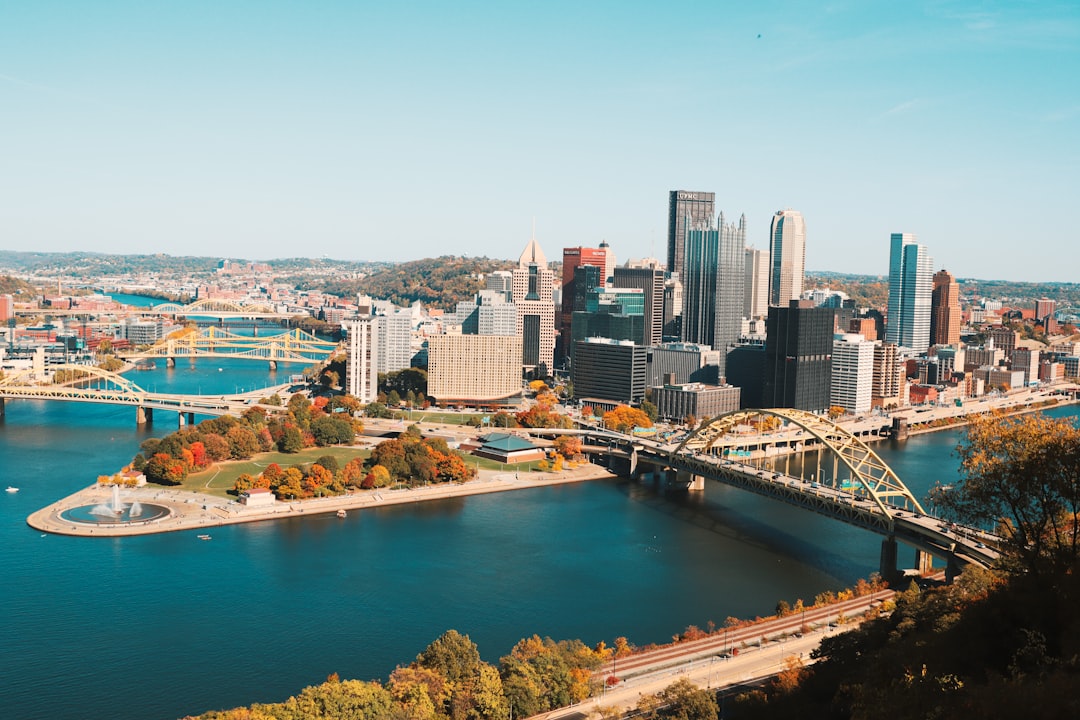 Photo by Tyler Rutherford on Unsplash
Why it's underrated: Pittsburgh's post-industrial reputation still precedes it. Most travelers assume it's gritty and grey — and miss one of the most walkable, culturally rich, and visually surprising cities in the northeastern US.
What to do: The Carnegie Museum of Natural History and Carnegie Museum of Art share a single grand building — together, one of the finest museum complexes in the eastern US. The Andy Warhol Museum (seven floors dedicated to Pittsburgh's most famous artistic son) is essential for anyone interested in pop art and American cultural history. For neighborhoods, Lawrenceville and East Liberty are dense with independent coffee shops, bookshops, and restaurants that would be celebrated in any major city.
Where to eat: The Strip District — a former warehouse corridor along the Allegheny River — fills with specialty food vendors and artisan delis on weekend mornings. Primanti Brothers sandwiches (stuffed with fries and coleslaw, a Pittsburgh original) are iconic and available at multiple locations. Cure in Lawrenceville is a celebrated charcuterie bar and cocktail destination for something more refined.
Budget advantage: Pittsburgh hotels run 40–60% cheaper than comparable stays in Philadelphia or Boston. Combined with its world-class free and low-cost museums, it's one of the best-value city breaks in the Northeast.
Best time to visit: October, when the forested hillsides turn orange and gold — fall foliage frames the city's bridges and skyline beautifully.
Tulsa, OK — Art Deco Capital of the American Interior
Most people, if they think of Tulsa at all, think of oil. Fair enough — oil money from the 1920s boom built this city, and its legacy is visible in an extraordinary collection of Art Deco architecture that rivals anything found in Miami or New York.
What most people don't know is that Tulsa has quietly become one of the most progressively interesting small cities in the American interior. The Gathering Place — a 100-acre riverfront park that opened in 2018, designed by the same firm behind Manhattan's High Line — received near-universal critical acclaim and is free to enter. The Woody Guthrie Center and the Bob Dylan Archives are both located in Tulsa, making this unlikely Oklahoma city a genuine pilgrimage site for American folk and rock music history.
Why it's underrated: Oklahoma simply doesn't register on most travelers' radar. That's Tulsa's advantage — the city has invested heavily in culture and public space without pricing out the locals who make it interesting.
What to do: Walk the historic Art Deco district downtown, where the Philtower and the Tulsa Union Depot rival anything in Miami's South Beach. The Philbrook Museum of Art occupies a 1920s Italian Renaissance villa surrounded by formal gardens that are genuinely stunning. The Blue Dome District hosts the best restaurants and nightlife in the city.
Where to eat: Queenie's Plus is a beloved local brunch institution. Burn Co. Barbecue consistently ranks among the best in a state that takes its BBQ seriously. Try the onion burger — a Depression-era Oklahoma invention, with caramelized onion smashed directly into the patty — available at several spots around town.
Best time to visit: April through June for spring wildflower season; September through November for fall color and festival season.
Asheville, NC — Beer, Mountains, and an Improbable French Château
Asheville sits in a bowl of the Blue Ridge Mountains in western North Carolina, and its combination of natural beauty, independent spirit, and one of the most impressive craft beer concentrations in the US makes it one of the most rewarding small cities in the American Southeast.
The city claims the highest number of craft breweries per capita of any US city. Its River Arts District — a former industrial corridor — has been transformed into a working artists' campus, with glassblowing studios, pottery workshops, and painting ateliers inside old factory buildings. And then there's the Biltmore Estate: a 250-room French Renaissance château completed in 1895, still the largest privately owned house in the United States.
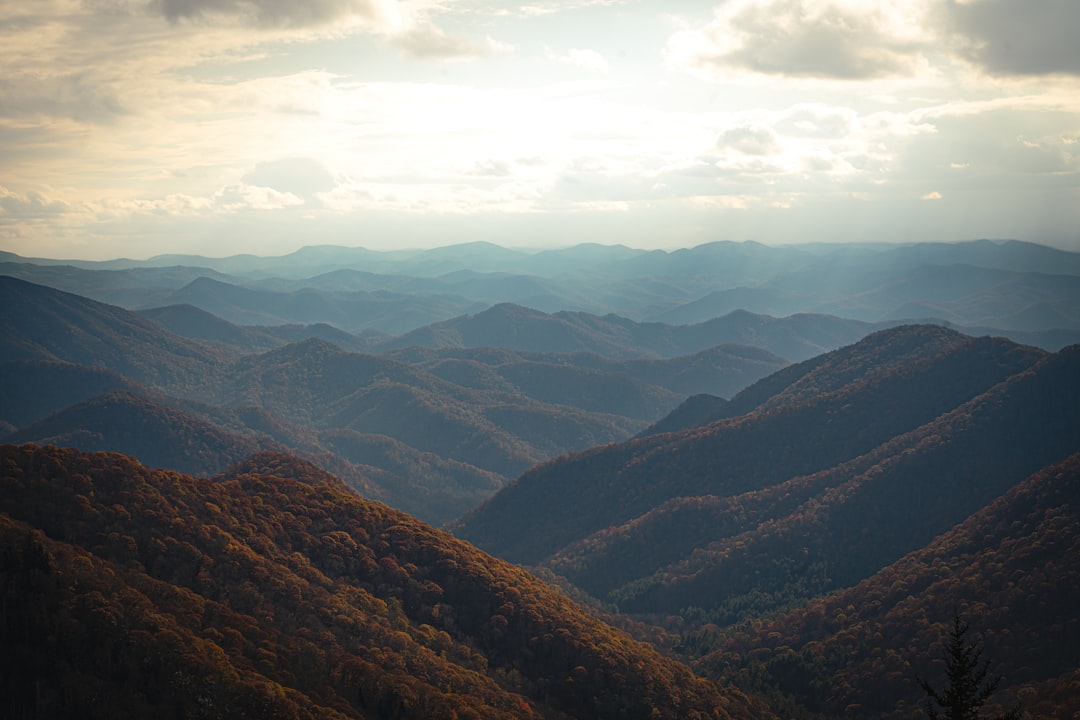 Photo by Trevor Neely on Unsplash
Why it's underrated: Growing in profile, but still well below the mainstream attention of coastal North Carolina or Atlanta. The Biltmore Estate alone justifies a dedicated trip — and most Americans have never visited it.
What to do: Hike the Blue Ridge Parkway's many trailheads just outside town; spend a morning in the River Arts District watching glassblowers and potters at work; tour the Biltmore Estate and its winery; walk Biltmore Avenue's independent restaurant strip in the evening.
Where to eat: Curate is a celebrated Spanish tapas restaurant with a national reputation — book well ahead. White Duck Taco Shop is the reliable local go-to for creative tacos. The Wedge Brewing Company sits right in the River Arts District with outdoor riverside seating.
Fall connection: Asheville in October produces some of the best fall foliage in the entire country, with the Blue Ridge Parkway putting on a color show that rivals New England — but with warmer temperatures and notably fewer crowds.
Best time to visit: October for peak foliage; April through May for spring wildflowers on the Parkway.
Kansas City, MO — Barbecue Capital with a Jazz-Soaked Soul
Kansas City suffers not from a lack of things to offer, but from a profound marketing deficit. The self-proclaimed barbecue capital of the world backs up that claim with a style all its own: slow-smoked meats — brisket, ribs, burnt ends — finished with a thick, sweet-tangy tomato-based sauce, served in no-frills joints that have been perfecting the craft for generations.
Beyond barbecue, the Nelson-Atkins Museum of Art — one of the finest art museums in the American interior, with major works by Monet, Caravaggio, and Georgia O'Keeffe — is entirely free to enter. The 18th & Vine Jazz District is where Charlie Parker, Count Basie, and the Kansas City jazz sound were born in the 1930s. The Country Club Plaza, built in 1923, is a Mediterranean-inspired outdoor shopping and dining district unlike anything else in the Midwest.
Why it's underrated: It sits geographically between Chicago and Denver and gets overshadowed by both. Kansas City has never had a flashy cultural "moment" — which has kept it authentic, affordable, and genuinely rewarding for travelers willing to look past the obvious.
What to do: Visit Joe's Kansas City Bar-B-Que (consistently rated a top-5 BBQ spot in the entire country, housed in a gas station). Walk the 18th & Vine Jazz District and the American Jazz Museum. Spend a free afternoon at the Nelson-Atkins — budget at least two hours.
Where to eat: Jack Stack Barbecue for the elevated, white-tablecloth option; Gates Bar-B-Q (since 1946, where counter staff will shout "HI MAY I HELP YOU?" the moment you walk in) for the classic experience. The Crossroads Arts District has a growing roster of excellent restaurants beyond the BBQ category.
Best time to visit: May through October for outdoor festival season; the American Royal World Series of Barbecue in October is a legitimate bucket-list event for food lovers.
Boise, ID — Outdoor Capital with a Basque Secret
Boise has been growing fast for a decade but remains one of the most underrated cities in America for outdoor-access-plus-urban-amenities. The city sits along the Boise River at the foot of the Owyhee Mountains, with skiing (Bogus Basin, 25 minutes from downtown), whitewater rafting, mountain biking, and backcountry hiking all within easy reach.
What makes Boise truly singular is its Basque community. Boise has the largest Basque population outside the Basque Country of Spain and France — descendants of sheepherders who settled in Idaho in the late 19th century. The Basque Block downtown is an extraordinary cultural enclave: a museum, cultural center, and restaurants serving pintxos, house-cured meats, and txakoli wine.
Why it's underrated: Idaho simply doesn't rank on most travelers' mental map of US destinations. That's Boise's advantage — it offers the outdoor access of a mountain town and the culture of a proper city at prices that would be unthinkable in Denver or Salt Lake City.
What to do: Float the Boise River on inner tubes in summer; ski Bogus Basin in winter; visit the Basque Museum and Cultural Center; hike the Ridge to Rivers trail system in the Boise Foothills; take a day trip to City of Rocks National Reserve.
Where to eat: The Basque Market on Basque Block is essential — try the pintxos and house-cured meats. Bar Gernika next door is the neighborhood haunt for atmosphere and Basque food. Downtown Boise's farm-to-table restaurant scene makes excellent use of Idaho's exceptional produce, trout, and world-famous potatoes.
Best time to visit: June through September for outdoor activities and river floating; December through March for skiing.
Chattanooga, TN — A River Gorge, a Great Aquarium, and a Remarkable Comeback
Chattanooga sits in a dramatic gorge where the Tennessee River bends around Lookout Mountain, and for decades it carried the grim distinction of being one of the most polluted cities in America. It cleaned up its act comprehensively and is now frequently cited as one of the most livable and surprising small cities in the South.
The Tennessee Aquarium is one of the finest freshwater aquariums in the world. Lookout Mountain hosts three distinct attractions: Rock City (natural rock formations with views across seven states), Ruby Falls (an underground waterfall 1,120 feet inside the mountain), and the Incline Railway (the steepest passenger railway in North America at a 72.7% grade). Chattanooga also became the first US city to offer citywide gigabit fiber internet — earning it the nickname "Gig City."
If you love what Nashville offers in Southern hospitality and live music culture, Chattanooga delivers similar warmth with dramatically better natural scenery and far fewer crowds.
Why it's underrated: Decades of pollution headlines and a faint industrial image have kept tourists away long past the city's actual turnaround. Today's Chattanooga is clean, walkable, and full of good food and outdoor access.
What to do: Spend a morning at the Tennessee Aquarium; hike the Cumberland Trail above the gorge for views of the river bend; cross the Walnut Street Bridge (one of the longest pedestrian bridges in the world); explore the North Shore neighborhood.
Where to eat: St. John's Restaurant for refined Southern cuisine; Flying Squirrel gastropub in the North Shore for something casual and creative; Clumpies Ice Cream for handcrafted small-batch ice cream that has been a local institution since 1999.
Best time to visit: Fall and spring for hiking; summer for water activities on the Tennessee River.
Albuquerque, NM — New Mexico's Most Surprising City
Albuquerque gets dismissed as a mere stopover on the way to Santa Fe. In reality, it is one of the most culturally rich and culinarily distinctive cities in the American Southwest — shaped by centuries of Native American, Spanish, and Mexican influence that manifests most powerfully in its food.
New Mexico's green and red chile culture is unlike anything else in the US. The question posed at every restaurant — "Red or green?" — is practically the state motto, and Albuquerque is the best place in the country to experience it authentically. Old Town Albuquerque, founded in 1706, is one of the best-preserved Spanish colonial historic districts in the country. And the city is the world capital of hot-air ballooning: the Albuquerque International Balloon Fiesta in October draws over 500 balloons and an estimated 750,000 visitors across nine days.
Why it's underrated: Santa Fe's polished gallery scene and luxury-leaning reputation gets all of New Mexico's travel press. Albuquerque is rawer, more authentic, more affordable, and for food lovers, considerably more rewarding.
What to do: Walk Old Town and its adobe-lined central plaza; visit the Indian Pueblo Cultural Center for a deep understanding of New Mexico's 19 Pueblo peoples; tour the National Museum of Nuclear Science and History; book a sunrise balloon flight over the Rio Grande Valley. Breaking Bad fans: a self-guided tour of filming locations is a legitimate and thoroughly enjoyable Albuquerque experience.
Where to eat: Duran's New Mexican Restaurant has been serving the city since 1929 — the green chile stew is a state treasure. Sawmill Market is a modern food hall showcasing the best of New Mexico's diverse culinary traditions. For an immersive local experience, order a breakfast burrito smothered in chile at any neighborhood diner you pass.
Outdoor extension: The desert landscapes surrounding Albuquerque open the door to some extraordinary natural experiences — fans of wide-open spaces will find the best national parks in the USA within reach as day or overnight trips.
Best time to visit: October for the Balloon Fiesta; spring and fall for dry desert air and mild temperatures.
St. Louis, MO — America's Most Overlooked Major City
St. Louis is arguably the single most underrated major city in the United States. It has a world-class art museum (free). It has one of the finest botanical gardens in the country (the Missouri Botanical Garden, operating since 1859). It has the Gateway Arch — at 630 feet, the tallest man-made monument in the Western Hemisphere, and a national park since 2018. It has a barbecue and food culture that rivals Kansas City. And its hotel rates remain remarkably reasonable.
Forest Park — at 1,370 acres, larger than New York's Central Park — contains the Saint Louis Art Museum, Missouri History Museum, Saint Louis Zoo, Saint Louis Science Center, and the Jewel Box greenhouse, all free to visit. This level of free public cultural infrastructure is simply unmatched among American cities of any size.
Why it's underrated: St. Louis sits in a perceived no-man's land between Chicago (glamorous) and Kansas City (food-famous). A challenging public narrative around urban safety has kept visitors away from a destination that, in its cultural and visitor areas, delivers exceptional value.
What to do: Ride the tram to the top of the Gateway Arch (views stretch 30 miles on a clear day); spend a full day in Forest Park; visit the Missouri Botanical Garden, especially spectacular in spring; try St. Louis-style pizza (thin, cracker-crispy crust, provolone cheese — divisive but obligatory); catch a Cardinals baseball game at Busch Stadium.
Where to eat: Pappy's Smokehouse is routinely named among the best BBQ in America — the ribs are the centerpiece. Toasted ravioli (deep-fried, served with marinara — a St. Louis-specific invention) is available everywhere and essential to try. Vicia is a celebrated farm-to-table restaurant for a refined dinner.
Best time to visit: April through May for spring botanical garden blooms; September through October for ideal temperatures.
Spokane, WA — Washington's Overlooked Second City
While Seattle commands every inch of Washington State's travel attention, Spokane — three hours east across the Cascade Mountains — offers access to a completely different landscape, a fraction of the cost, and a city with its own genuine character.
Riverfront Park sits on both banks of the Spokane River as it thunders through a series of dramatic falls right in the middle of downtown — a striking urban setting built on the site of the 1974 World's Fair. Beyond the city, the Palouse — a landscape of rolling wheat fields stretching across eastern Washington and northern Idaho — is one of the most photographed agricultural landscapes in North America, especially extraordinary at sunset. The surrounding Spokane Valley contains a concentration of excellent Washington State wineries.
Why it's underrated: Eastern Washington doesn't fit the "Pacific Northwest rainforest and coffee culture" narrative that drives most travel interest to the state. Spokane gets overlooked by travelers who haven't realized how different — and how worthwhile — this side of the Cascades is.
What to do: Walk Riverfront Park and the Spokane Falls area; explore the Garland District's independent bookstores and restaurants; take a day trip to the Palouse for golden-hour photography over its impossibly photogenic rolling wheat fields; visit the Northwest Museum of Arts and Culture.
Where to eat: Incrediburger & Eggs is a beloved local institution for breakfast. Ruins is a celebrated cocktail bar and restaurant for an evening out. Arbor Crest Wine Cellars sits on a basalt cliff above the Spokane Valley with views as remarkable as its wines — worth the short drive.
Best time to visit: June through September for outdoor activities and lake recreation; January through March for skiing at Schweitzer Mountain, 90 minutes north.
Burlington, VT — Small City, Big Lake, Extraordinary Fall
Burlington sits on the eastern shore of Lake Champlain, with the Adirondack Mountains visible across the water in New York and the Green Mountains rising behind the city. It is technically the smallest "largest city" of any US state — Vermont's most populous city has fewer than 50,000 residents — but it packs the cultural quality of life of somewhere considerably larger.
Church Street Marketplace is a pedestrian-only street that functions as the city's living room, lined with independent restaurants, boutiques, and cafés. Ben & Jerry's was founded here (the original Waterbury factory, 40 minutes away, gives excellent tours). The Shelburne Museum — an extraordinary collection of Americana spread across 39 buildings on a 45-acre campus — is one of the finest folk art museums in the country. And from late September through mid-October, the fall foliage surrounding Burlington is among the most spectacular in New England, with Lake Champlain providing a mirror-flat reflective canvas for the color.
Why it's underrated: Vermont's travel reputation centers on its ski resorts and postcard-perfect country scenery. Burlington as a destination city — with real restaurants, culture, and a waterfront — gets systematically overlooked.
What to do: Walk the Burlington Bike Path along Lake Champlain; visit the Shelburne Museum; kayak or paddleboard on the lake; take a fall foliage drive on Route 2 through the Winooski River Valley; stop at the ECHO Leahy Center for Lake Champlain, an excellent waterfront science museum.
Where to eat: Hen of the Wood is one of the best farm-to-table restaurants in New England — its menu shifts with Vermont's seasons and is consistently exceptional. Leunig's Bistro on Church Street has been a Burlington institution for decades. American Flatbread (wood-fired, community-minded) is the local pizza benchmark.
Best time to visit: October for fall foliage — Vermont's unmissable season; July through August for lake activities; February through March for skiing at Stowe and Sugarbush, both within 45 minutes.
Honorable Mentions: Three More Worth Knowing
Several other cities narrowly missed this list but deserve recognition. Cincinnati, OH is consistently praised by travel communities for its Victorian architecture, thriving craft beer scene, and the outstanding Cincinnati Art Museum — all at a very affordable cost of living. Tucson, AZ — a designated UNESCO City of Gastronomy — offers Saguaro National Park access, extraordinary street murals, and a culinary scene that punches well above its profile. Providence, RI delivers Boston-level historic charm, a world-class culinary culture, and the RISD Museum at a fraction of the cost — and with the magical WaterFire art installation lighting up the river on summer evenings.
FAQ: America's Most Underrated Cities
What cities are underrated in the USA?
The most underrated cities in America include Pittsburgh, PA; Tulsa, OK; Asheville, NC; Kansas City, MO; Boise, ID; Chattanooga, TN; Albuquerque, NM; St. Louis, MO; Spokane, WA; and Burlington, VT. Each delivers world-class experiences — museums, food scenes, outdoor access — without the tourist premiums of headline destinations like New York, Las Vegas, or San Francisco.
What is the most forgotten city in the US?
St. Louis, Missouri is arguably the most overlooked major American city. Despite a world-class free art museum, a celebrated zoo, Forest Park (larger than Central Park), the Gateway Arch National Park, and an excellent barbecue culture, it receives a fraction of the tourist attention lavished on comparable Midwestern cities like Chicago or even Kansas City.
What are the 4 most unique cities in the US?
For genuine cultural uniqueness — cities that feel unlike anywhere else in the country — Albuquerque, NM (its Native American and Hispanic cultural fusion and balloon capital status), Boise, ID (its remarkable Basque cultural enclave), Tulsa, OK (extraordinary Art Deco architecture and American music history), and New Orleans, LA (its French-Creole heritage and year-round festival culture) stand out as truly one-of-a-kind American destinations.
What cities are underrated for outdoor activities?
Boise, ID; Spokane, WA; Chattanooga, TN; and Asheville, NC lead this list. Each sits within 30–45 minutes of exceptional hiking, skiing, river activities, or mountain biking while offering a genuine urban experience with good restaurants and lodging. Any of these cities can also serve as a base for exploring nearby wilderness — complement the trip with a visit to one of the great wild places covered in our guide to the best national parks in the USA.
The Case for Going Off-Script
The best American travel experiences often aren't the ones planned around a famous landmark. They're the cities you ended up in by chance — and found yourself thinking, "why doesn't everyone come here?"
Every city on this list has earned its place through genuine quality. Pittsburgh's museums could hold their own against any major eastern city. Kansas City's barbecue is worth a dedicated trip from anywhere in the country. Burlington's fall foliage and lake views are genuinely world-class. These places aren't hidden in any absolute sense — locals know exactly how good they are. They've simply escaped the self-reinforcing loop of mass tourism that sends travelers to the same dozen destinations by default.
The next time you're planning an American trip, consider the city your travel algorithm never suggested. America has plenty of those places. The ten on this list are an excellent place to start.
Envie de créer ta propre liste de spots ?
Rejoins Spotli.st et partage tes bonnes adresses avec le monde entier.
Créer mon compte gratuit