Austin, Texas: 15 Best Things to Do in 2026
Discover the 15 best things to do in Austin, Texas in 2026 — Lady Bird Lake, Franklin BBQ, live music, bat colony, Hill Country day trips & more.
Austin, Texas: 15 Best Things to Do in 2026
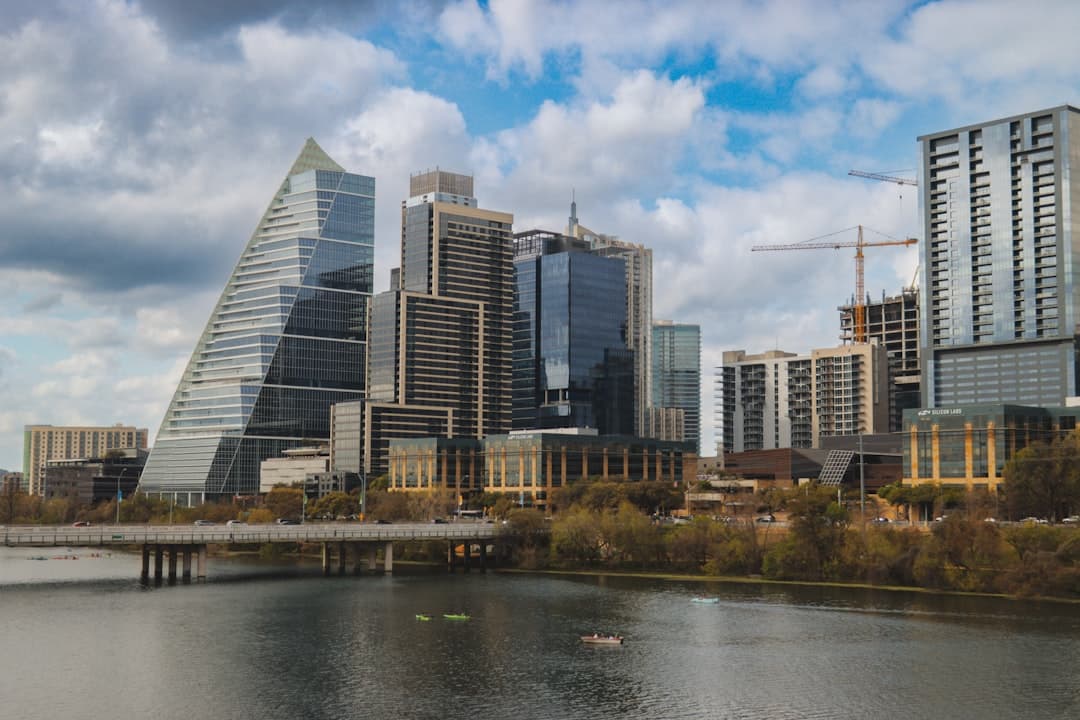
Austin has a way of getting under your skin. Whether you arrive for a music festival, a work conference in Silicon Hills, or simply because someone told you the BBQ here changes people — you tend to stay longer than planned. The Texas capital is home to more than 250 live music venues, a natural spring-fed swimming pool in the middle of the city, 1.5 million bats living under a downtown bridge, and a food scene that has quietly become one of the best in America. And somehow, through years of explosive growth, it has clung to its "Keep Austin Weird" identity with admirable stubbornness.
This guide covers the 15 best things to do in Austin, Texas in 2026 — from iconic outdoor spots and legendary BBQ joints to hidden cocktail bars and easy day trips into the Texas Hill Country. Whether you're planning a long weekend or a full week, this is where to spend your time.
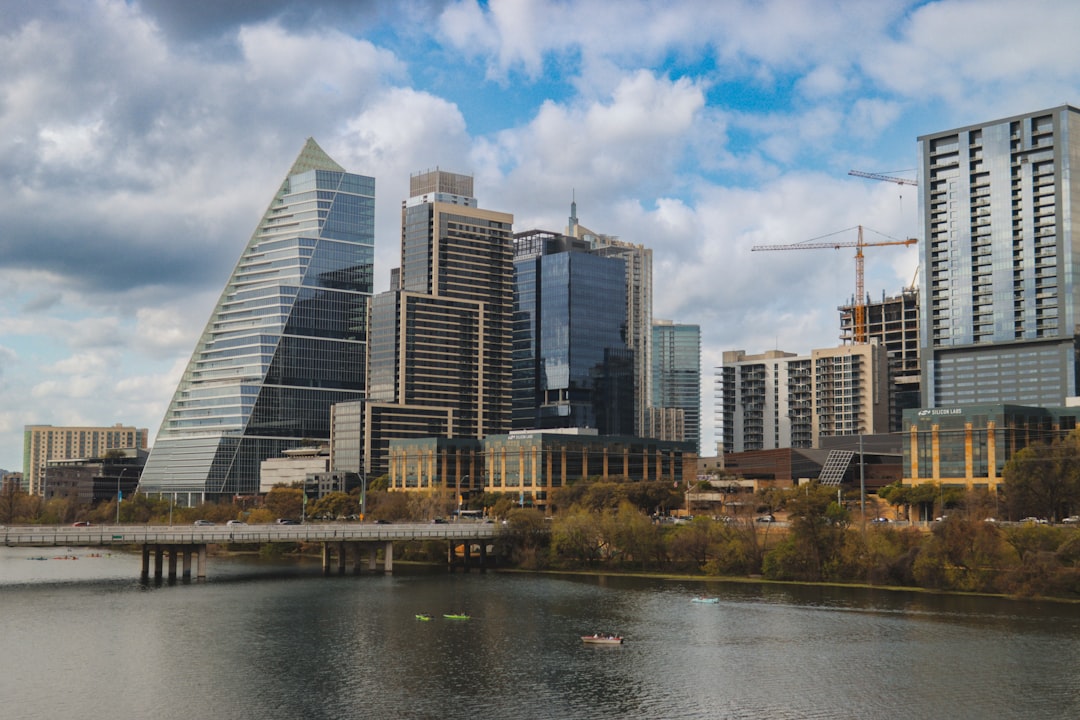 Photo by Daniel Romero on Unsplash
1. Paddle Lady Bird Lake at Sunrise
Lady Bird Lake sits at the heart of Austin — a reservoir on the Colorado River fringed by a 10-mile hike-and-bike trail that locals treat as a second living room. At sunrise, the water turns copper and the downtown skyline reflects perfectly on the surface. It's genuinely beautiful, and the crowds are thin enough to feel like you have it to yourself.
Rent a stand-up paddleboard or kayak from outfitters along Barton Springs Road (expect $20–$30/hour). If you'd rather stay dry, the Ann and Roy Butler Hike-and-Bike Trail is flat, paved, and connects most of the action: Barton Springs Pool, Zilker Park, and several of the best coffee shops in town. Cyclists and joggers dominate the path by 7am — join them, or take a leisure walk in the late afternoon when the light turns golden.
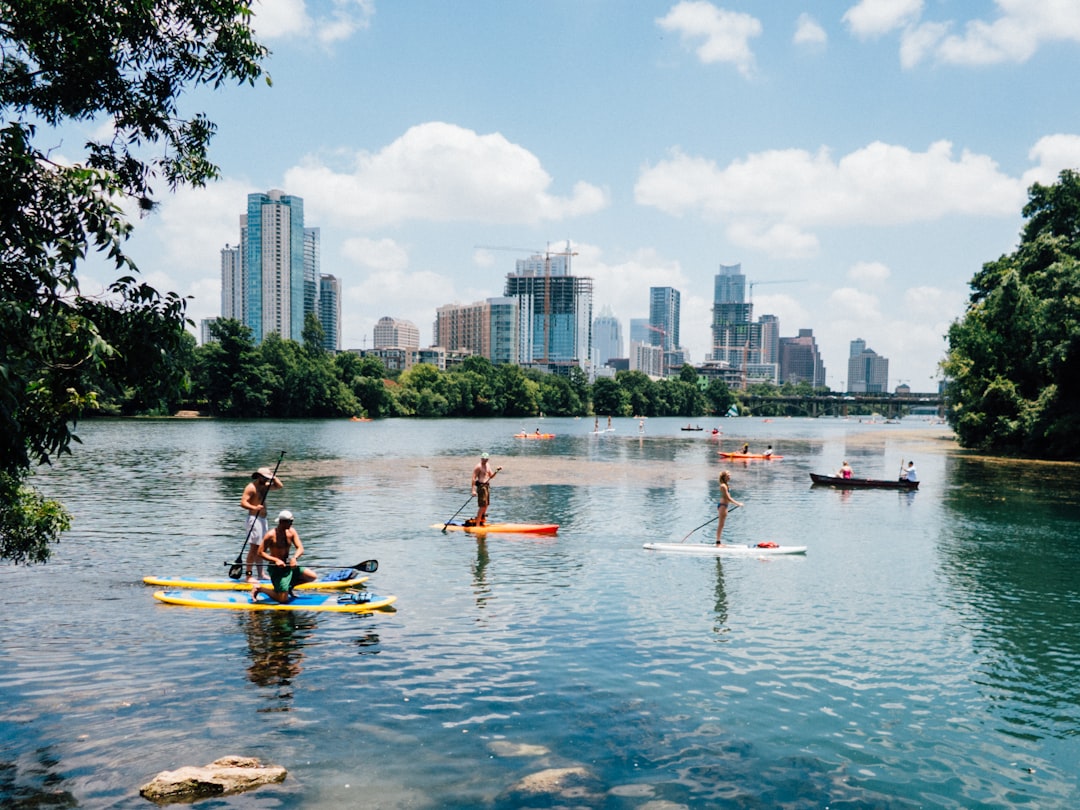 Photo by Tomek Baginski on Unsplash
2. Cool Off at Barton Springs Pool
Barton Springs Pool is one of the great urban swimming holes in the United States — a 3-acre natural pool fed by underground springs, holding a constant temperature of around 68°F (20°C) year-round. It sits inside Zilker Park and costs just $5 for adults to enter.
The pool draws an eclectic crowd: families, UT students, retirees, and tourists who didn't plan to swim but ended up renting a suit from a shop nearby anyway. Arrive early on weekends (before 10am) or in the late afternoon to avoid the longest queues. There's a grassy lawn surrounding the pool perfect for sunbathing, and the trees are thick enough to find shade. Don't confuse it with Deep Eddy Pool — also lovely, also spring-influenced, but a very different vibe (more structured pool, less wild river). Both are worth your time if you're in Austin for several days.
3. Watch a Million Bats Take Flight at Congress Avenue Bridge
Every evening from late March through early November, roughly 1.5 million Mexican free-tailed bats emerge from beneath the Congress Avenue Bridge at dusk — the largest urban bat colony in North America. The bats roost under the bridge's expansion joints by day and spiral into the sky at sunset to hunt, consuming an estimated 10,000 to 30,000 pounds of insects each night.
The best viewing spots are on the bridge itself (free — arrive 20–30 minutes before local sunset), from the south-bank lawn below, or from one of the kayak or boat tours that depart from Lady Bird Lake. Locals often grab takeout from a nearby food truck and picnic on the grass. Even if you're a little squeamish about bats, the sheer scale of the swarm — a living dark ribbon twisting into the sky — is genuinely awe-inspiring. Peak season is August, when the colony reaches maximum size.
4. Stroll South Congress Avenue (SoCo)
South Congress Avenue — SoCo to everyone who lives here — is Austin's most characterful commercial strip. Running south from the Congress Avenue Bridge, it's lined with vintage boutiques, independent record stores, Tex-Mex joints, coffee shops, and a handful of spaces that resist any easy category.
Stop into Uncommon Objects for vintage curiosities, Feathers Boutique for eccentric clothing, and Güero's Taco Bar for a plate of tacos that regularly earns a spot on Austin's best-of lists. The "I Love You So Much" mural on the side of Jo's Coffee is unavoidable and better in person than in photographs. Grab a cold brew at Jo's, sit on the patio, and watch the street do its thing. The First Thursday event (first Thursday of each month) turns the avenue into an informal street fair with local vendors and live performances — a good reason to time your visit accordingly.
5. Experience Sixth Street's Live Music Scene
Austin's claim as the "Live Music Capital of the World" is not marketing copy — it is a way of life. The city has over 250 live music venues, and most of them are small, sweaty, and spectacular. The epicenter is Sixth Street, which splits into two distinct zones:
East Sixth is the hipper, more eclectic end: bars with curated cocktail lists, small venues booking indie acts and jazz, and a neighborhood-feel crowd. West Sixth (the Dirty Sixth) runs wilder — classic dive bars, country, blues, and rock spilling out onto the sidewalk from venues like The Continental Club and Emo's. Cover charges are typically $5–$15, and music starts early (7–8pm) and runs past midnight most nights of the week.
If live music cities are your thing, Nashville is the only real US rival worth comparing — though Austin's range, from mariachi to metal to electronic, is arguably more diverse.
6. Tour the Texas State Capitol
The Texas State Capitol, completed in 1888, stands taller than the US Capitol in Washington DC — a point Texans mention casually and often. Built from distinctive sunset red granite quarried near Marble Falls, it anchors the north end of Congress Avenue and defines the downtown skyline.
Free guided tours run throughout the day (Mon–Fri 8:30am–4:30pm, weekends 9:30am–3:30pm), covering the stunning dome rotunda, legislative chambers, and the portrait gallery of every Texas governor. The grounds are beautifully landscaped and worth a slow wander even without going inside. Look for the Tejano Monument near the south entrance and the Vietnam Veterans Monument on the east side. Budget about 90 minutes for a full guided tour.
7. Taste World-Class Texas BBQ
Texas BBQ is a religion, and Austin is its Vatican. The holy sites are well-documented: Franklin BBQ (900 E 11th St) is the most famous — a James Beard Award-winning institution where the brisket is transcendent and the line starts forming at 7am for an 11am opening. The wait (often 2+ hours) is part of the pilgrimage, and regulars bring lawn chairs and coolers. If you're not a queue person, Terry Black's (1003 Barton Springs Rd) has no wait, stays open until 9pm, and is genuinely excellent. La Barbecue (2401 E Cesar Chavez St) is another beloved spot with shorter queues and an equally serious pit master.
The etiquette: order by the pound (brisket, ribs, sausage, pulled pork), accept the white bread and pickles, find a communal picnic table, and eat with your hands. Sauce is considered optional — the meat should speak entirely for itself.
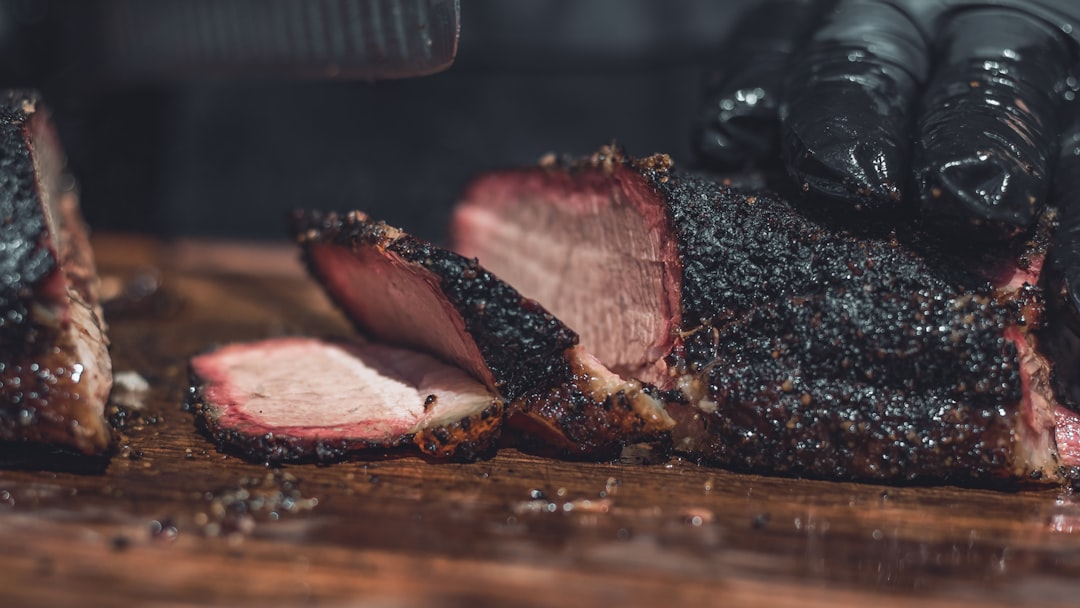 Photo by Luis Santoyo on Unsplash
8. Graze the East Austin Food Truck Scene
Austin has over 1,000 registered food trucks — more per capita than almost any city in the country — and the highest concentration clusters in East Austin, along East Cesar Chavez Street and South First Street. These aren't glorified hot dog carts: they're serious kitchens on wheels, many run by chefs who've worked in critically acclaimed restaurants.
East Side King (started by James Beard Award-winning chef Paul Qui) serves Japanese-influenced street food that earned genuine national attention. Veracruz All Natural is arguably the best breakfast taco in a city that treats breakfast tacos as a civic institution — the migas taco, with scrambled eggs, fried tortilla strips, salsa verde, and cheese, is exceptional. For something sweet, Hey Cupcake! is the iconic silver Airstream parked on South Congress. Most food truck parks operate 11am–10pm; some run until 2am on weekends.
9. Bar-Hop Rainey Street Historic District
Rainey Street is a two-block stretch of converted Victorian bungalows that has become one of Austin's most enjoyable nightlife districts. Unlike the louder chaos of 6th Street, Rainey has an almost neighborhood-party atmosphere: bars spill onto large outdoor patios, there's always a food truck parked nearby, and the vibe leans convivial rather than rowdy.
Start at Banger's Sausage House & Beer Garden (330+ beers on tap, one of the largest outdoor patios in the city), drift to Handlebar for an unpretentious dive bar experience, and end the evening at Radio Coffee & Beer if you want something quieter. On warm evenings — which in Austin means most of the year — the patios fill by 6pm. For a similarly walkable blend of great food and festive street life, New Orleans offers a different but equally compelling take on the American food-and-nightlife crawl.
10. Hike the Barton Creek Greenbelt
The Barton Creek Greenbelt is a 12-mile stretch of limestone canyon, natural swimming holes, and shaded trails that cuts through the western edge of the city. Entry is free, it's accessible from multiple trailheads, and it gives Austin something few major American cities can offer: genuine wilderness within city limits.
The most popular swimming holes — Sculpture Falls, Twin Falls, and Campbell's Hole — are reached via trails ranging from easy walks to rugged scrambles over limestone outcroppings. Wear shoes you don't mind getting wet, bring sunscreen and water, and aim to arrive before 9am in summer to beat the worst of the heat. During heavy rain, the creek rises quickly and trails can close — check Austin Parks and Recreation's website or social channels before heading out. Dogs are welcome on leash.
11. Spend a Morning at Zilker Park
Zilker Park is Austin's civic backyard — 351 acres of green space on the south shore of Lady Bird Lake, home to Barton Springs Pool, a botanical garden, the beloved Zilker Zephyr miniature train (a perennial family favorite), and the stage for the Austin City Limits Music Festival every October. On any given Sunday morning, it's full of frisbee games, picnicking families, dogs in the off-leash area, and the occasional yoga class.
ACL Fest, held over two weekends in October, is one of the best music festivals in the country, drawing 75,000 people per day across eight stages with lineups spanning rock, hip-hop, country, and electronic music. Book accommodation six months ahead and expect hotel prices to double or triple during festival weeks. SXSW (South by Southwest) in March is Austin's other mega-event — a 10-day convergence of music, film, and technology that takes over the entire city.
12. Explore the Blanton Museum of Art
The Blanton Museum of Art, on the University of Texas at Austin campus, holds one of the largest university art collections in the United States — over 18,000 works spanning European old masters, modern Latin American painting, contemporary American art, and an exceptional prints-and-drawings collection.
The standout experience is Ellsworth Kelly's Austin (2018), a non-denominational building Kelly designed specifically for the Blanton campus: cast concrete walls, 14 panels of colored glass that flood the interior with changing light throughout the day, and a single black-and-white marble sculpture at its center. Entry to the Kelly building is free; museum admission is $12 for adults ($5 for UT students) and free every Thursday. Allow 2–3 hours for a thorough visit.
13. Visit the Bullock Texas State History Museum
Right next to the State Capitol, the Bullock Texas State History Museum tells the story of Texas from pre-Columbian times through the oil boom, the NASA space program, and the present day. The three-story museum is well-designed and genuinely riveting — the narrative of Texas is dramatic, full of conflict, unlikely alliances, and outsized personalities.
Highlights include the La Belle shipwreck — a 17th-century French ship excavated from the Texas coast and displayed in stunning full-scale form — the original "Come and Take It" cannon flag from the Texas Revolution, and an immersive section on the oil industry that defined the modern state. There's also an IMAX theater and rotating special exhibitions. Admission is $13 for adults; IMAX tickets are separate. Budget 2–3 hours.
14. Day Trip to Hamilton Pool Preserve
About 30 miles west of Austin, Hamilton Pool Preserve is one of the most beautiful natural swimming spots in Texas — a collapsed limestone grotto with a 50-foot waterfall cascading into a jade-green pool, overhung by ferns and ancient rock formations. It looks like a film set and is entirely real.
Logistics matter here: day-use reservations are required through Travis County Parks' ReserveAmerica system; slots open 30 days in advance and sell out within minutes of release. Admission is $15 per vehicle. Swimming is sometimes closed when bacteria levels are elevated — always check the Travis County Parks website the day before. Combine the trip with a stop at Pedernales Falls State Park (beautiful river formations, hiking, swimming) or the charming German-heritage town of Fredericksburg, which makes an ideal base for Hill Country wine exploration.
15. Explore the Texas Hill Country Wine Trail
Austin sits at the edge of the Texas Hill Country, one of the fastest-growing wine regions in the United States. The area around Fredericksburg — roughly 70 miles west of Austin on TX-290 — now counts over 50 wineries, making it the third-largest wine-producing region in the country. Limestone plateaus and hot, dry summers create ideal conditions for Tempranillo, Viognier, and Mourvèdre.
A self-guided day trip along US-290 ("Wine Road 290") typically takes in 3–4 estates. Becker Vineyards, Pedernales Cellars, and William Chris Vineyards are among the most established; tasting fees run $15–$25 per person. Fredericksburg rewards a leisurely lunch stop — try the Hill Country peaches (the region produces exceptional fruit from May through August) and pick up a kolache from one of the German-heritage bakeries. It's the sort of afternoon that makes you wonder why you ever thought you were in a hurry.
Practical Tips for Visiting Austin in 2026
Best time to visit: Spring (March–May) and fall (October–November) offer ideal temperatures (65–85°F) and mostly dry weather. Summer is brutally hot — 100°F+ days are common — but Austinites simply live near the water. SXSW in March and ACL Fest in October are electric but expensive; book well ahead if your dates overlap.
Getting around: Austin is a driving city. Ride-shares (Uber/Lyft) are reliable and affordable downtown. Rent a bike or e-bike for the Lady Bird Lake trail. Parking around 6th Street and Rainey Street on weekend evenings is difficult — skip the car entirely for those nights.
Budget: Mid-range downtown hotels run $180–$280/night. A BBQ lunch for two at a top spot costs $60–$80. Most live music cover charges are under $15. Budget $150–$200/day per person for a comfortable visit.
Where to stay: South Congress and East Austin offer walkability and neighborhood character. The Domain works better for business travelers. Downtown is convenient but commands a significant price premium.
FAQ: Things to Do in Austin, Texas
What is Austin best known for? Austin is best known as the "Live Music Capital of the World," home to SXSW and Austin City Limits Music Festival. It's equally celebrated for its world-class BBQ, spring-fed swimming holes like Barton Springs Pool, and its "Keep Austin Weird" identity. Austin is also a major US technology hub, nicknamed Silicon Hills.
How many days should I spend in Austin? Three to four days is the sweet spot for a first visit — enough to cover Lady Bird Lake, Barton Springs Pool, 6th Street live music, the Texas State Capitol, and at least one legendary BBQ lunch without feeling rushed. Add a day or two if you want to explore Hamilton Pool Preserve or the Texas Hill Country wine trail.
Is Austin expensive to visit? Austin has gotten pricier in recent years, but it remains more affordable than New York, Los Angeles, or San Francisco. The best outdoor attractions — Lady Bird Lake, the Barton Creek Greenbelt, and bat-watching at Congress Avenue Bridge — are entirely free. Live music cover charges of $5–$15 for world-class acts are genuinely hard to beat anywhere.
When is the best time to see the bats at Congress Avenue Bridge? The bat colony is active from late March through early November. August sees the colony at its largest (around 1.5 million bats). Emergence happens at dusk — arrive 20–30 minutes before local sunset for the best vantage point.
What neighborhood is best for first-time visitors? South Congress (SoCo) and downtown Austin put you within walking or short ride-share distance of most major attractions. East Austin is a better base if food markets, specialty coffee, and cocktail bars are your priority over sightseeing convenience.
Is Austin good for families with kids? Yes — Barton Springs Pool, Zilker Park, the Zilker Zephyr miniature train, the Thinkery children's museum, the Blanton Museum, and the Congress Avenue bat colony all work well for families. The bat emergence in particular is a reliable hit with kids of all ages.
Austin rewards those who linger. The longer you stay and the farther you wander from the main drag, the more the city reveals itself: a breakfast taco counter that's been open since 1997, a trail ending at a swimming hole cold enough to steal your breath, a Tuesday-night set by a musician you've never heard of that ends up being the highlight of your trip. Use Spotli.st to map your Austin itinerary, save your must-dos, and share your plan — the city can handle whatever you throw at it.
Envie de créer ta propre liste de spots ?
Rejoins Spotli.st et partage tes bonnes adresses avec le monde entier.
Créer mon compte gratuit