Charleston vs. Savannah: Which Southern City Should You Visit First?
Charleston or Savannah? Compare food, walkability, cost, nightlife & beaches in this detailed head-to-head guide to help you pick the right Southern city for your trip.
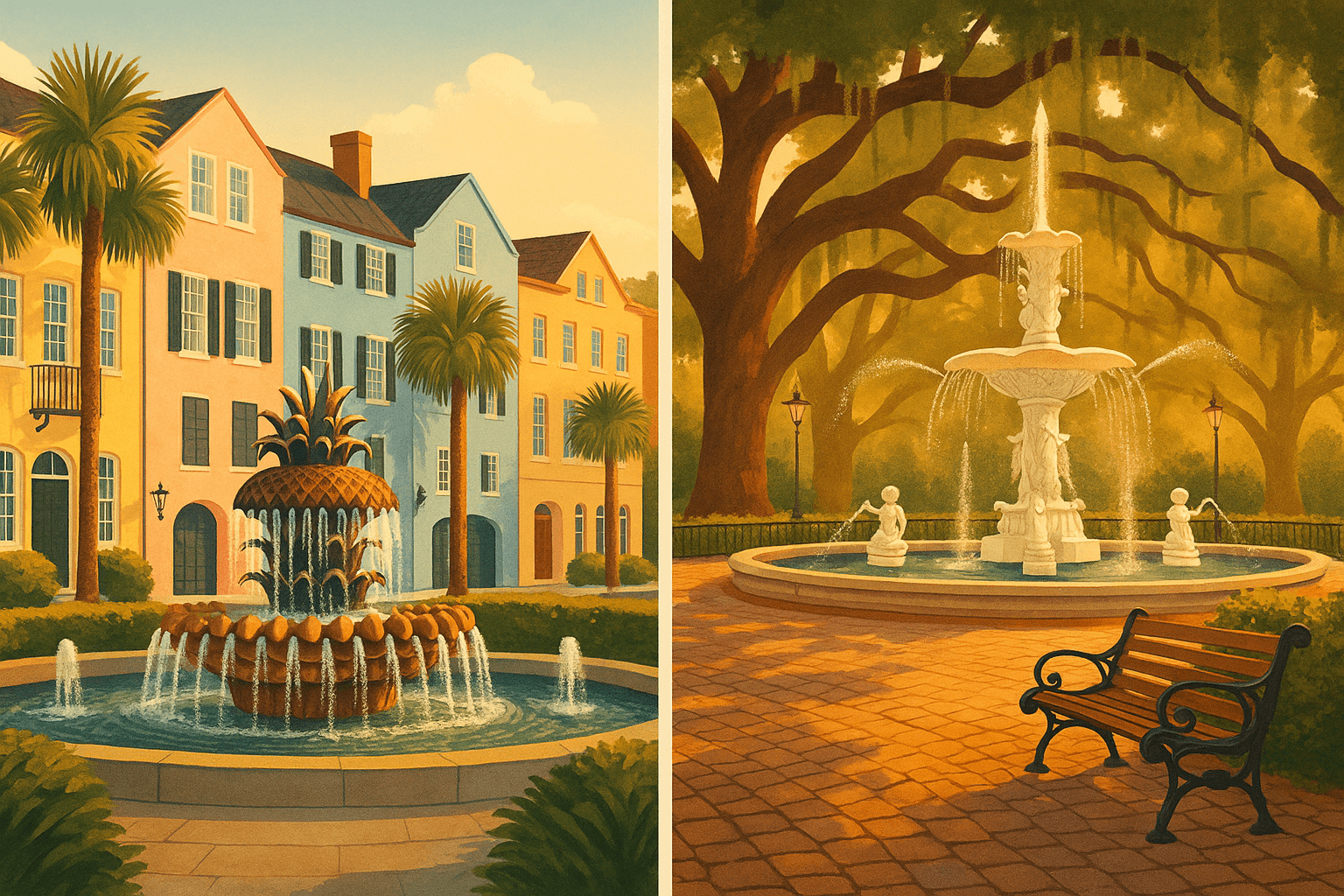
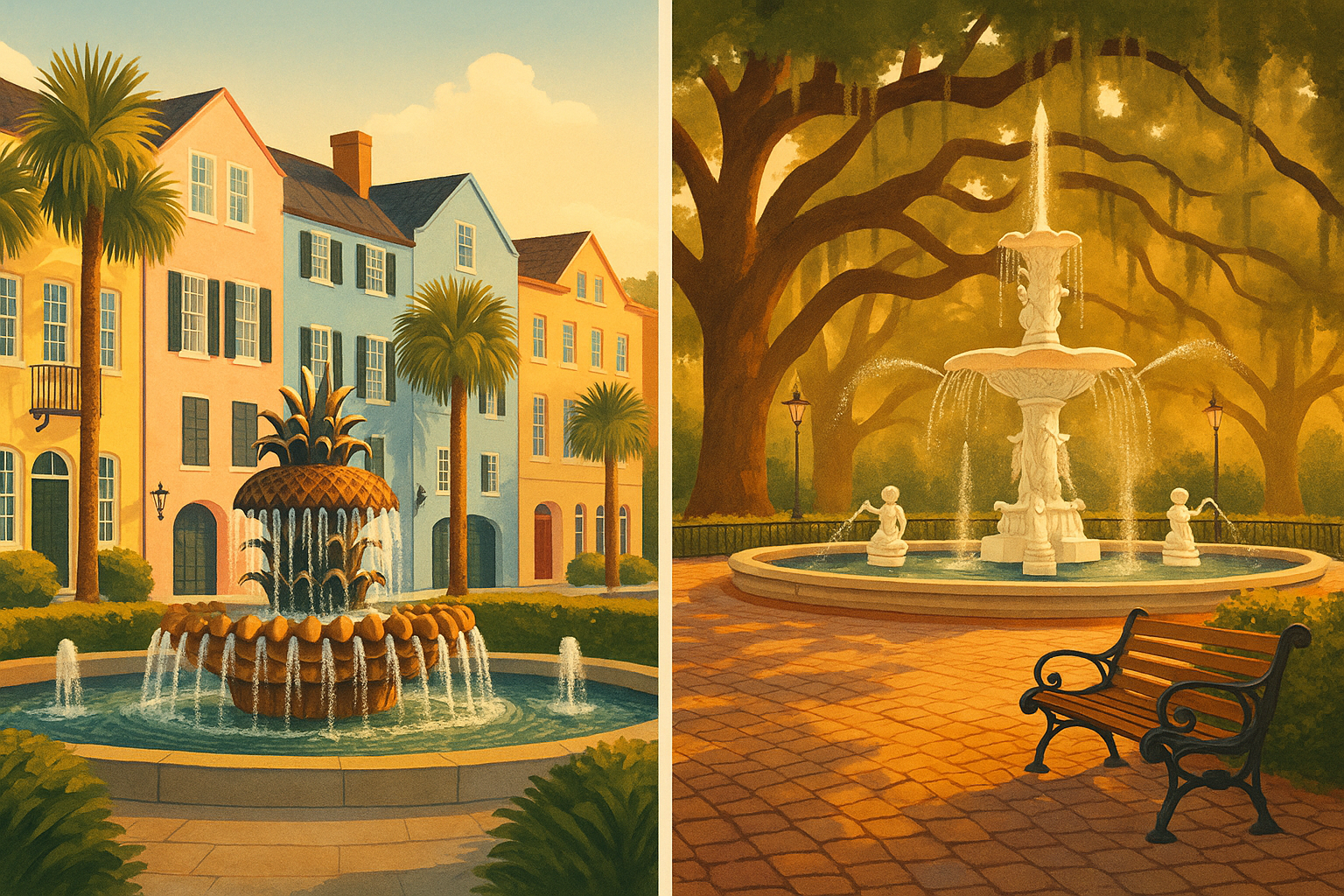
Charleston, South Carolina, and Savannah, Georgia, sit just 108 miles apart along the Southeastern coast. Both flaunt antebellum architecture, moss-draped live oaks, and enough shrimp and grits to last a lifetime. But spend a weekend in each, and you'll quickly discover they feel like entirely different worlds.
The short answer: Pick Charleston if you want a polished, upscale city break with a world-class dining scene and coastal charm. Pick Savannah if you prefer a laid-back, walkable city with a bohemian edge, eclectic shopping, and one of the most beautiful urban layouts in America. Can't decide? They're close enough to visit both in a single trip — and many travelers do exactly that.
Here's a detailed, category-by-category comparison to help you make the right call.
At a Glance: Charleston vs. Savannah
| Criteria | Charleston, SC | Savannah, GA |
|---|---|---|
| Population | ~150,000 (metro ~800,000) | ~147,000 (metro ~400,000) |
| Vibe | Polished, coastal, sophisticated | Laid-back, bohemian, intimate |
| Best known for | Rainbow Row, world-class restaurants, Fort Sumter | 22 historic squares, Spanish moss, open-container policy |
| Walkability | Walkable historic core, but spread out | Exceptionally walkable, compact grid of squares |
| Food scene | Nationally acclaimed fine dining | Strong Southern comfort food, emerging scene |
| Beach access | 20 minutes (Folly Beach, Sullivan's Island) | 20 minutes (Tybee Island) |
| Nightlife | Cocktail bars, rooftop lounges | Live music, dive bars, open-container policy |
| Price level | Higher (hotels, dining, tours) | More affordable overall (20–30% less) |
| Best for | Couples, foodies, history buffs | Budget travelers, creatives, ghost-tour fans |
Vibe & Atmosphere: Polished vs. Bohemian
This is the single biggest difference between the two cities, and it colors everything else.
Charleston feels curated. The historic district is immaculately preserved — pastel Georgian townhouses, wrought-iron gates, window boxes bursting with flowers. Even the cobblestone streets look staged for a magazine spread. There's a quiet confidence to the city; it knows it's beautiful and doesn't need to prove anything. The pace is slow by big-city standards, but there's an underlying energy — reservations are hard to get, gallery openings draw crowds, and King Street hums well into the evening.
Savannah feels organic. The historic district is just as beautiful — arguably more so, thanks to its famous grid of 22 tree-shaded squares — but it's a lived-in, slightly rumpled beauty. You'll see SCAD (Savannah College of Art and Design) students sketching in Forsyth Park, hear live music spilling from doorways on River Street, and notice a grittiness that Charleston edits out. Savannah doesn't try to impress you; it just is, and that unpretentious charm is precisely what wins people over.
Key takeaway: If you want a city that feels like a five-star experience, choose Charleston. If you'd rather feel like you've discovered a secret, choose Savannah. For more overlooked destinations across the country, check out our guide to America's Most Underrated Cities.
Walkability & Getting Around
This is where Savannah pulls ahead decisively.
Savannah's historic district was designed by General James Oglethorpe in 1733 around a revolutionary grid of public squares — 22 of the original 24 survive today. Each square is a miniature park, shaded by ancient live oaks, with benches, monuments, and fountains. Walking from one square to the next is the quintessential Savannah experience. You can cross the entire historic district on foot in about 30 minutes, and you'll rarely need a car unless you're heading to Tybee Island. For visitors, it's one of the most pedestrian-friendly urban experiences in the United States.
Charleston is walkable within its historic peninsula, but the attractions are more spread out. You can stroll from the Battery up to Marion Square without breaking a sweat, but reaching destinations like the Charleston Tea Garden or Boone Hall Plantation requires a car or rideshare. The city also has more vehicle traffic, narrower sidewalks in places, and the uneven cobblestones and brick pavements can be tricky — watch your step, especially after a couple of cocktails.
Key takeaway: Savannah is one of America's most walkable cities, period. Charleston is walkable by U.S. standards, but you'll likely use more Ubers or rental cars.
Food Scene: Lowcountry Cooking, Two Ways
Both cities serve the canon of Lowcountry cuisine — shrimp and grits, she-crab soup, fried green tomatoes, boiled peanuts, biscuits. But they do it at very different altitudes.
Charleston has become a legitimate national food destination. Restaurants like FIG, Husk, and The Ordinary put it on the map, and the city consistently lands on "best food cities in America" lists. You'll find everything from James Beard Award-winning tasting menus to no-frills oyster bars. The seafood is exceptional — the city is surrounded by water on three sides — and the Gullah-Geechee culinary influence, the true foundation of Lowcountry cooking, runs deep. Don't leave without trying a bowl of okra soup or a plate of red rice at a Gullah restaurant.
Savannah's food scene is more modest but deeply satisfying. The staples — Mrs. Wilkes' Dining Room (family-style Southern served at communal tables), The Grey (a restored 1938 Greyhound station turned fine-dining hotspot), and Zunzi's (South African-meets-Southern takeaway) — are memorable without the pretense. Savannah also has a stronger casual food culture: grab a praline from River Street Sweets, a slice at Vinnie Van Go-Go's, or a to-go cup and wander.
Key takeaway: For a serious food-focused trip, Charleston wins on depth and variety. For comfort food in a comfortable setting, Savannah delivers — often at half the price.
History & Architecture
Both cities are treasure troves of American history, but they tell different chapters of the story.
Charleston wears its history prominently. Founded in 1670, it was one of the wealthiest cities in colonial America, built on rice, indigo, and — critically — enslaved labor. You can visit Fort Sumter, where the first shots of the Civil War were fired, tour preserved antebellum mansions like the Aiken-Rhett House, and explore the Old Slave Mart Museum, which confronts the city's role in the transatlantic slave trade directly. The architecture leans Georgian and Federal, with the iconic "single house" design (narrow, one-room-wide homes with side piazzas) unique to Charleston.
Savannah was founded later (1733) and escaped the Civil War largely intact — General Sherman spared the city and famously presented it to President Lincoln as a Christmas gift. This means its historic district is more uniformly preserved, with over 1,000 structures in a compact 2.5-square-mile area. The architecture spans Georgian, Federal, Greek Revival, and Gothic styles. The Owens-Thomas House & Slave Quarters offers one of the most unflinching historical tours in the South, connecting Savannah's physical beauty to the brutal economy that built it.
Key takeaway: Charleston offers more big-name history (Fort Sumter, Civil War origins). Savannah offers a more cohesive historic landscape and deeply affecting house museums that aren't as crowded.
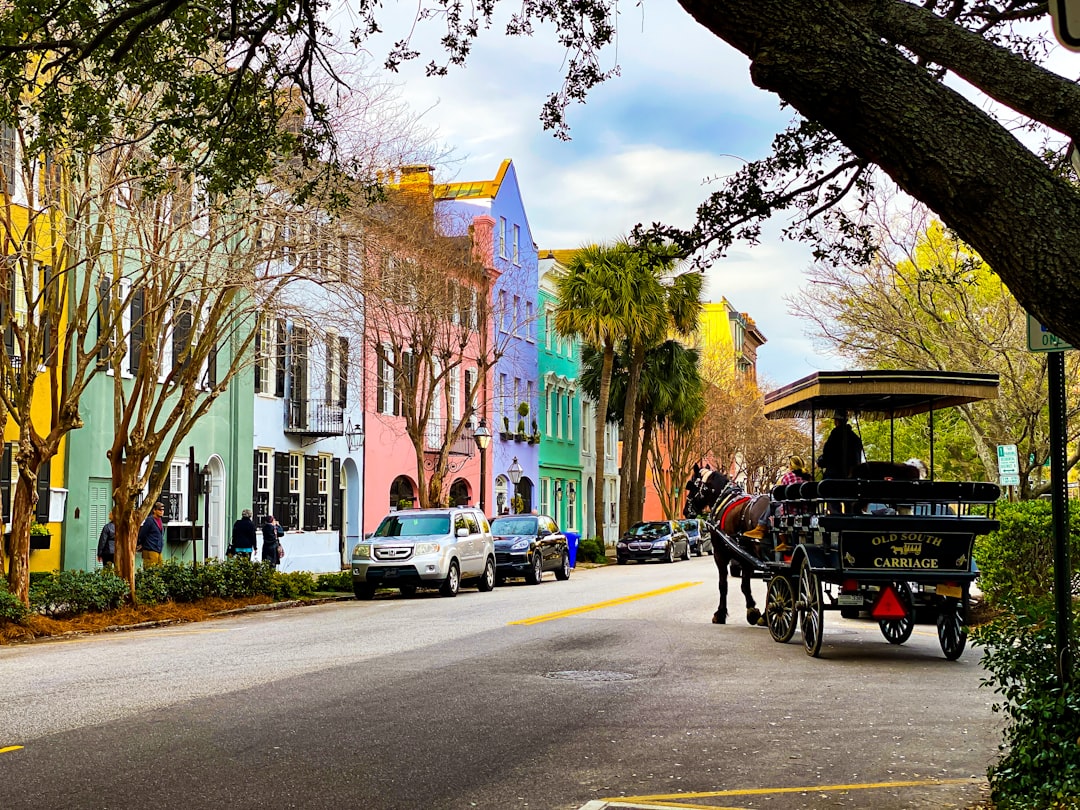
Photo by Leo Heisenberg on Unsplash
Things to Do: Attractions, Tours & Experiences
Charleston highlights:
- Walk Rainbow Row and the Battery for the classic photo-op — 13 pastel Georgian row houses facing the harbor
- Tour Fort Sumter National Monument (accessible by a 30-minute ferry ride)
- Visit Magnolia Plantation & Gardens (America's oldest public garden, opened 1870) or Boone Hall Plantation (the iconic Avenue of Oaks)
- Browse the Charleston City Market for handmade sweetgrass baskets — a Gullah tradition
- Catch sunset at Waterfront Park by the Pineapple Fountain
- Take a Gullah-Geechee cultural tour for a vital perspective on Charleston's heritage
Savannah highlights:
- Wander the 22 historic squares — don't miss Chippewa Square (the Forrest Gump bench spot) and Monterey Square (Mercer-Williams House)
- Explore Forsyth Park and its iconic cast-iron fountain (installed 1858)
- Tour the Owens-Thomas House & Slave Quarters — one of the best-preserved Regency-style homes in America
- Browse the art-filled independent shops along Broughton Street
- Walk River Street and Factors Walk — touristy, yes, but the cobblestone waterfront has genuine energy
- Take a ghost tour — Savannah is consistently ranked one of America's most haunted cities
Key takeaway: Charleston has more heavyweight attractions concentrated around history and plantations. Savannah is more about the joy of wandering — the city layout itself is the main attraction.
Nightlife & Entertainment
Charleston's nightlife skews sophisticated. Think rooftop cocktails at The Watch at The Restoration, craft beers at Edmund's Oast, or live jazz at The Commodore. The city has a thriving bar scene — places like the Gin Joint and the speakeasy-style Vintage Lounge reward those who seek them out. It's more "dress up and make a reservation" than "see where the night takes you."
Savannah's defining nightlife feature is its open-container policy: you can walk the historic district with a drink in hand (in a plastic cup, 16 oz maximum). This transforms the city into a de facto walking party on weekend evenings. The scene is more casual — live music bars, divey pubs like The Original Pinkie Masters, rooftop bars along River Street, and a healthy creative energy from SCAD students and locals alike. It's messier than Charleston, but a lot of people find it more fun.
Key takeaway: Cocktail connoisseurs will prefer Charleston. If the idea of strolling cobblestone streets with a beer in hand sounds like your kind of evening, Savannah is unbeatable.
Cost & Budget
Savannah is noticeably more affordable across the board — typically 20% to 30% cheaper for comparable experiences.
| Expense | Charleston (avg.) | Savannah (avg.) |
|---|---|---|
| Mid-range hotel/night | $200–350 | $150–250 |
| Dinner for two (mid-range) | $70–120 | $50–80 |
| Cocktail | $14–18 | $9–14 |
| Guided tour (2 hrs) | $35–50 | $25–40 |
| Parking (per day) | $18–30 | $10–20 |
Charleston's surging popularity has pushed prices up significantly. Boutique hotels in the historic district routinely top $400/night, and dinner at a top-tier restaurant easily runs $100+ per person. Savannah, while hardly cheap, offers better value — you can find charming B&Bs under $200 and eat very well for under $25 per person at casual spots.
Key takeaway: Traveling on a tighter budget? Savannah stretches your dollars further without sacrificing the historic Southern charm.
Day Trips & Nearby Beaches
Both cities are within easy reach of barrier island beaches, but the experiences differ significantly.
From Charleston (truly coastal):
- Folly Beach (20 min): Surf town vibes, pier, casual restaurants — the most popular beach with locals
- Sullivan's Island (20 min): Quieter, residential, great for long walks and Fort Moultrie history
- Isle of Palms (25 min): Family-friendly, wide beaches, Wild Dunes Resort
- Kiawah Island (45 min): Pristine, upscale, world-famous golf courses
From Savannah (river port, not oceanfront):
- Tybee Island (20-30 min): Savannah's beach town — low-key, slightly retro, with a historic lighthouse and fishing pier
- Hilton Head Island, SC (45 min): Resort-style beaches, golf, extensive bike paths — more manicured, more expensive
Charleston's beaches are generally nicer — wider, with softer sand and more variety. For a complete guide to the country's best shorelines, see our coast-by-coast beach guide.
Key takeaway: Charleston has significantly better beaches and a true coastal feel. Tybee Island is pleasant but can't match Folly Beach or Sullivan's Island.
Best for Different Types of Travelers
Couples: Charleston is one of the most romantic cities in the U.S. — candlelit dinners, horse-drawn carriage rides, sunset sails on the harbor. Savannah is romantic too, but in a more spontaneous, unscripted way.
Girls' trips: This is a toss-up depending on group style. Charleston offers better dining, high-end shopping on King Street, and spa-worthy hotels. Savannah offers the open-container policy, quirky ghost tours, and a more affordable weekend. If brunch and boutiques are the priority, lean Charleston. If dive bars and ghost stories sound better, Savannah.
Families: Savannah's squares are essentially a network of playgrounds — kids can run while adults rest on shaded benches. Charleston has more kid-oriented attractions (the South Carolina Aquarium, Patriots Point Naval Museum, the Fire Museum). Both work well for families, just differently.
Solo travelers: Savannah's compact walkability and friendly, small-town-meets-art-school vibe make it one of the easiest U.S. cities to navigate alone. Charleston is safe and welcoming too, but the dining scene is more couple-and-group-oriented, which can feel isolating for solo travelers.
Budget travelers: Savannah, hands down — you'll save 20–30% across lodging, dining, and activities.
When to Visit Each City
Both cities share the same climate zone — hot, humid summers and mild winters — so timing advice overlaps:
- Best months: March–May and September–November. Spring brings azaleas, wisteria, and perfect temperatures (65–78°F). Fall is crisp, sunny, and slightly less crowded than spring.
- Summer (June–August): Hot and sticky — temperatures regularly hit 90°F with punishing humidity. But hotel prices drop, and both cities know how to handle the heat (iced tea, air conditioning everywhere, and in Savannah, those 22 squares provide genuine shade).
- Winter (December–February): Mild (50s–60s°F) with occasional cold snaps. Holiday decorations are magical in both cities. January and February are the least crowded and most affordable months.
- When to avoid: Late July through mid-August can be genuinely unpleasant due to combined heat and humidity. Hurricane season runs June through November, with September being the statistical peak month — travel insurance is wise during this window.
FAQ
What is so special about Charleston, South Carolina?
Charleston's distinctiveness comes from three things. First, its architecture: the city has one of the largest and best-preserved historic districts in the country, with over 2,800 historic buildings and a unique "single house" design found nowhere else. Second, its food: Charleston pioneered the elevation of Lowcountry cuisine to a national stage and remains one of America's best restaurant cities per capita. Third, its layered history: from colonial wealth to the Civil War's opening shots to Gullah-Geechee cultural preservation, Charleston's story is complex, often difficult, and profoundly American.
When should you NOT visit Charleston?
Avoid late July through August if you're heat-sensitive — the combination of 90°F+ temperatures and near-100% humidity makes walking tours exhausting. September is peak hurricane season; while direct hits are rare, even near-misses can disrupt travel with evacuations and closures. Large festivals like Spoleto Festival USA (late May–early June) and the Southeastern Wildlife Exposition (February) send hotel prices soaring — book far ahead or avoid those specific dates.
Which is better for a girls' trip, Charleston or Savannah?
Both are among the most popular girls' trip destinations in the Southeast, but for different reasons. Charleston is the choice if your group wants fabulous brunches, high-end shopping on King Street, spa afternoons, rooftop cocktails, and a more polished Instagram feed. Savannah is better if your group prefers a casual agenda: wandering with to-go cups, quirky ghost tours, vintage and art-school-influenced shopping, and late-night live music. Price-wise, Savannah is significantly cheaper per person — expect to spend about 25% less on a comparable weekend.
What is the main difference between Savannah, GA and Charleston, SC?
The core difference is personality. Charleston is refined and curated — it's a city designed to impress. Savannah is organic and unpretentious — it charms you without trying. This shows up everywhere: Charleston's food scene aims for national acclaim; Savannah's excels at comfort. Charleston's nightlife means craft cocktails in speakeasies; Savannah's means strolling with a to-go cup. Charleston's historic district is a museum-quality showcase; Savannah's is a living, breathing neighborhood. Neither is objectively better — they just appeal to fundamentally different travel styles.
Which is safer, Charleston or Savannah?
Both cities are generally safe for tourists in their historic districts, where most visitors spend their time. Charleston's downtown core has a strong, visible police presence and very low rates of violent crime in tourist areas. Savannah's historic district is also safe, though you may encounter more visible homelessness and panhandling than in Charleston — particularly around the fringes of the tourist zone. As in any city, stay aware of your surroundings at night, stick to well-lit areas, and don't leave valuables visible in parked cars. Neither city presents unusual safety concerns for a typical weekend visitor.
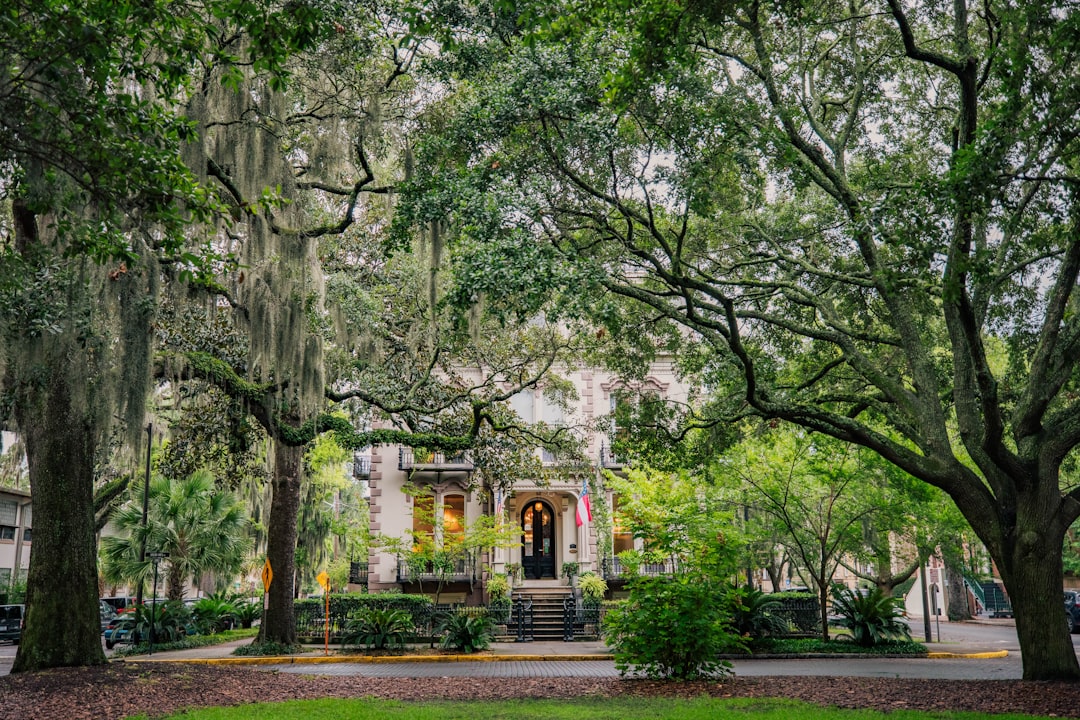
Photo by Sunira Moses on Unsplash
Can You Visit Both in One Trip?
Absolutely — and many travelers do. The drive is just under two hours via US-17, making it one of the easiest two-city itineraries in the Southeast. A common and well-tested approach: fly into Charleston International Airport (CHS), spend 2–3 days exploring the Holy City, then drive down to Savannah for another 2–3 days, and fly out of Savannah/Hilton Head International Airport (SAV) — or do the reverse. The 108-mile drive is scenic and stress-free, passing through the Lowcountry's marshlands and small towns.
If you're planning a longer Southern road trip that combines both cities with other stops along the coast or inland, our complete US road trip planning guide has practical advice on routing, timing, and budget.
The Verdict: Charleston or Savannah?
Choose Charleston if you want: a world-class food scene, polished hospitality, deeper and more varied historical sites (Fort Sumter, plantations, the Old Slave Mart Museum), a true coastal feel with excellent nearby beaches, and you're comfortable spending more for a premium experience.
Choose Savannah if you want: the most walkable and photographable historic district in America, a laid-back bohemian atmosphere shaped by SCAD's creative energy, unique house museums that can be toured in a morning, a more affordable trip, and the simple, irreplaceable pleasure of wandering from square to square under Spanish moss with a drink in hand.
Can't choose? You don't have to. Start in one, end in the other — they're under two hours apart, and together they make what might be the best Southern weekend road trip you can take.
Both cities have earned their reputations as jewels of the South for good reason. The right choice is less about which city is objectively better and more about what kind of traveler you are. Charleston will dazzle you. Savannah will disarm you. Either way, you'll be planning your return before you leave.
Envie de créer ta propre liste de spots ?
Rejoins Spotli.st et partage tes bonnes adresses avec le monde entier.
Créer mon compte gratuit