Things to Do in Chicago: The Ultimate 2026 Guide to the Windy City
The best things to do in Chicago in 2026: iconic landmarks, museums, deep-dish pizza, blues clubs & free activities. The ultimate Windy City guide.
Things to Do in Chicago: The Ultimate 2026 Guide to the Windy City
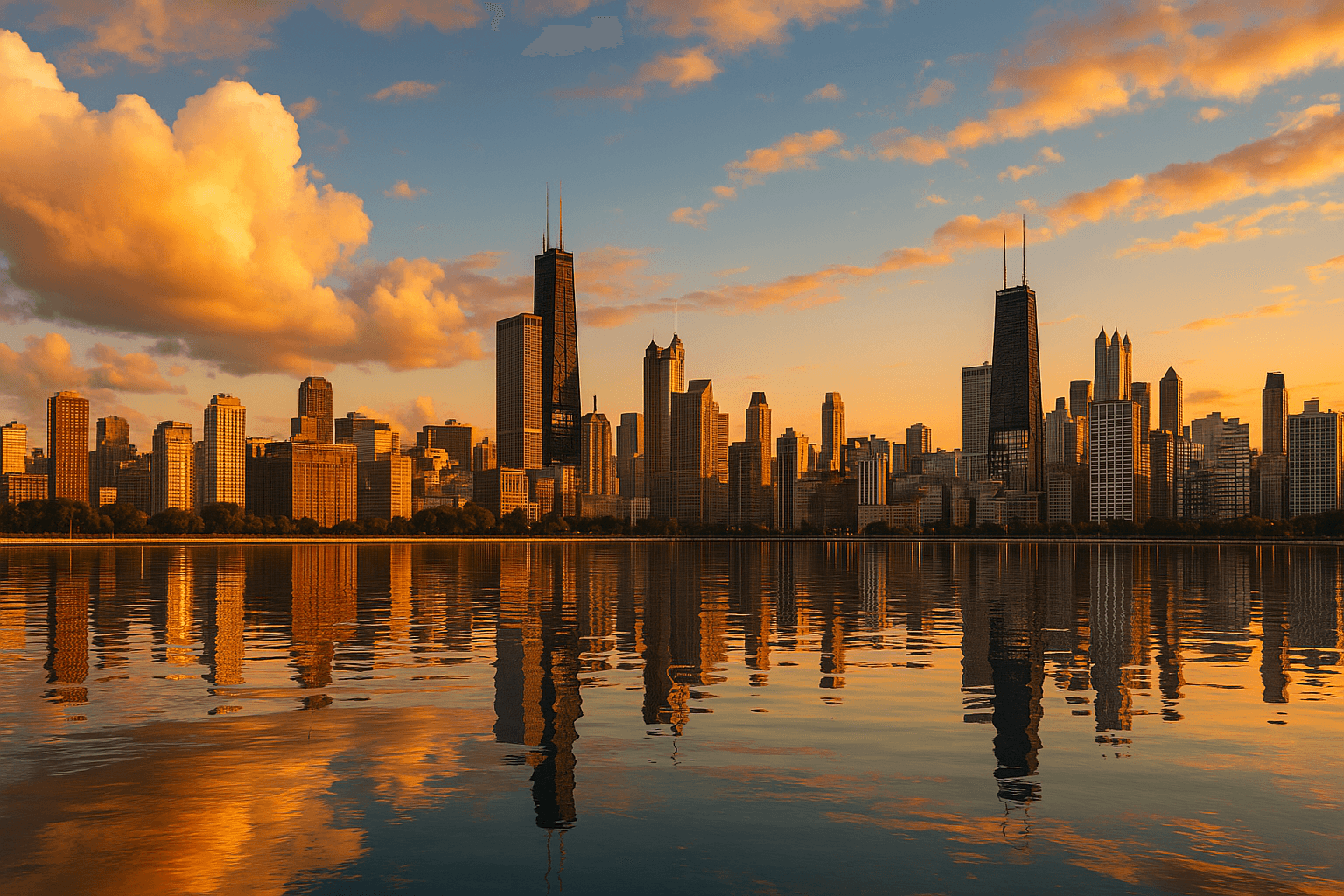
Chicago is one of the most dynamic cities in America — a place where world-class architecture meets soulful blues music, where deep-dish pizza rivals Michelin-starred dining, and where 26 miles of lakefront park exist right in the heart of a metropolis. Whether you're visiting for a weekend or a full week, the Windy City delivers experiences that rival any destination on the planet.
This complete 2026 guide covers the best things to do in Chicago — from iconic bucket-list attractions to hidden neighborhood gems — along with practical tips on where to stay, how to get around, and how to do it on any budget.
Why Chicago Belongs on Every Traveler's Bucket List
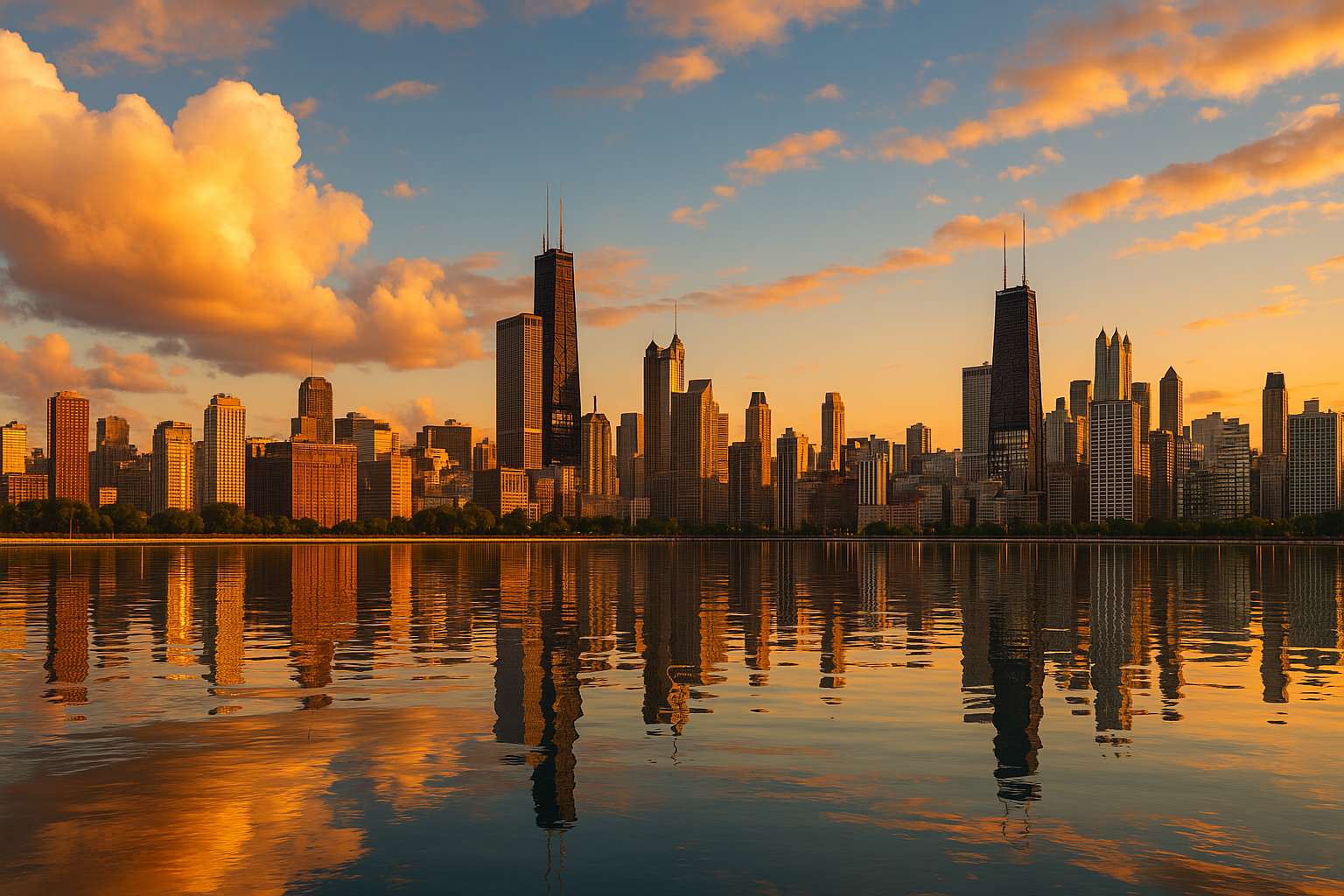
Chicago is America's third-largest city, home to 2.7 million people and arguably the country's most architecturally rich skyline. Founded in 1833 on the southwestern shore of Lake Michigan, the city burned almost entirely to the ground in the Great Chicago Fire of 1871 — and rebuilt itself as a laboratory for bold, experimental design. That spirit of reinvention is still everywhere you look.
The city consistently ranks among the top US travel destinations for good reason:
- 27 Michelin-starred restaurants (as of 2026)
- Over 200 museums and galleries
- More than 580 parks and 26 miles of lakefront trails
- One of the richest blues and jazz histories in the world
No matter your travel style — cultural pilgrim, foodie, outdoor enthusiast, or architecture nerd — Chicago has something extraordinary to offer.
1. Millennium Park & the Cloud Gate (The Bean)
The single most-visited spot in Chicago is Millennium Park, and its centerpiece is the 110-ton stainless steel sculpture officially named Cloud Gate — but universally known as The Bean. Designed by British artist Sir Anish Kapoor and installed in 2004, it reflects the skyline and every passerby in a dazzling, distorted mirror.
Arriving early morning or at dusk gives you the most magical light — and thinner crowds. The park itself is free to enter and packs in more than any single sculpture:
- Jay Pritzker Pavilion: a stunning open-air concert venue designed by Frank Gehry that hosts free outdoor concerts all summer long
- Crown Fountain: two 50-foot glass-block towers that project Chicagoans' faces and spray water — a playful hit with kids
- Lurie Garden: a serene, blooming landscape garden that transforms seasonally
- Ice skating rink (free admission in winter — skate rental only)
Pro tip: The Park Grill restaurant overlooks the Bean and is a solid lunch spot if you want to stay in the area.
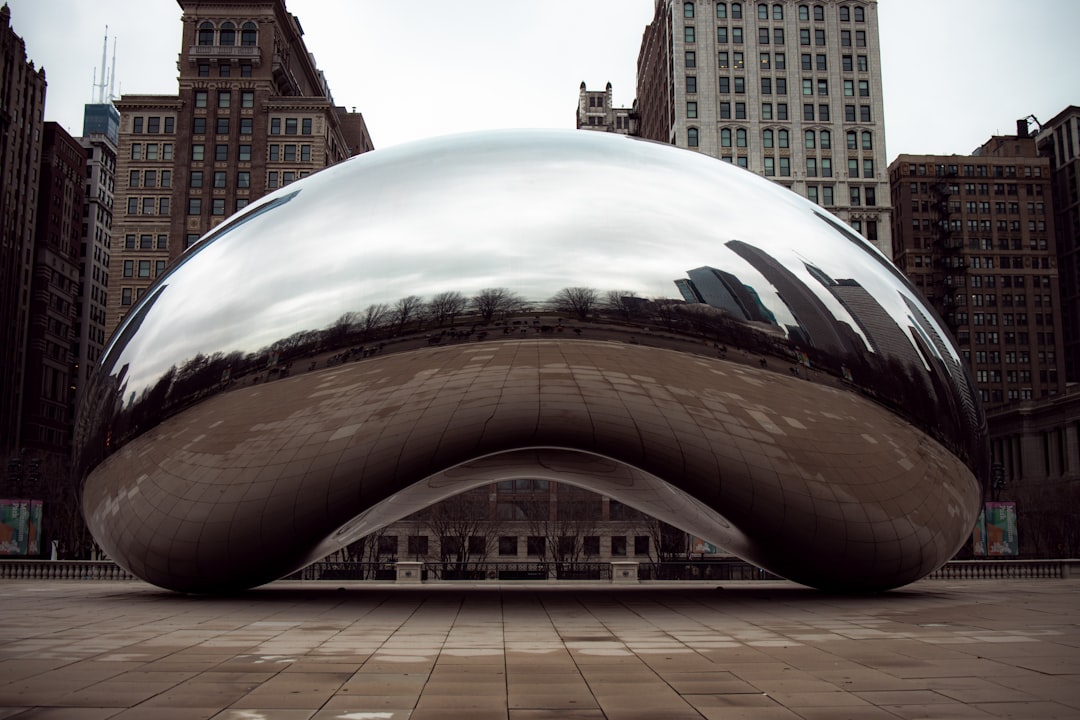 Photo by David Hinkle on Unsplash
2. The Chicago River Architecture Cruise
No experience captures Chicago's architectural genius better than a river cruise. The Chicago Architecture Foundation Center (CAF) runs the gold-standard tour — a 90-minute narrated boat tour along the Chicago River and into Lake Michigan that takes you past more than 50 landmark buildings.
Guides explain how the reversal of the Chicago River in 1900 shaped the city's development, and point out gems ranging from the 1920s neo-Gothic Tribune Tower to Jeanne Gang's futuristic Aqua Tower (2010). This is consistently rated among the top 5 things to do in Chicago on every major travel platform.
Practical details:
- Duration: 90 minutes
- Cost: ~$54 per adult (CAF First Lady cruise)
- Season: April through November (peak season May–October)
- Tip: Book in advance — weekend afternoon slots sell out weeks ahead in summer
If boats aren't your thing, CAF also runs exceptional walking architecture tours and has a free exhibit center at 111 E. Wacker Drive.
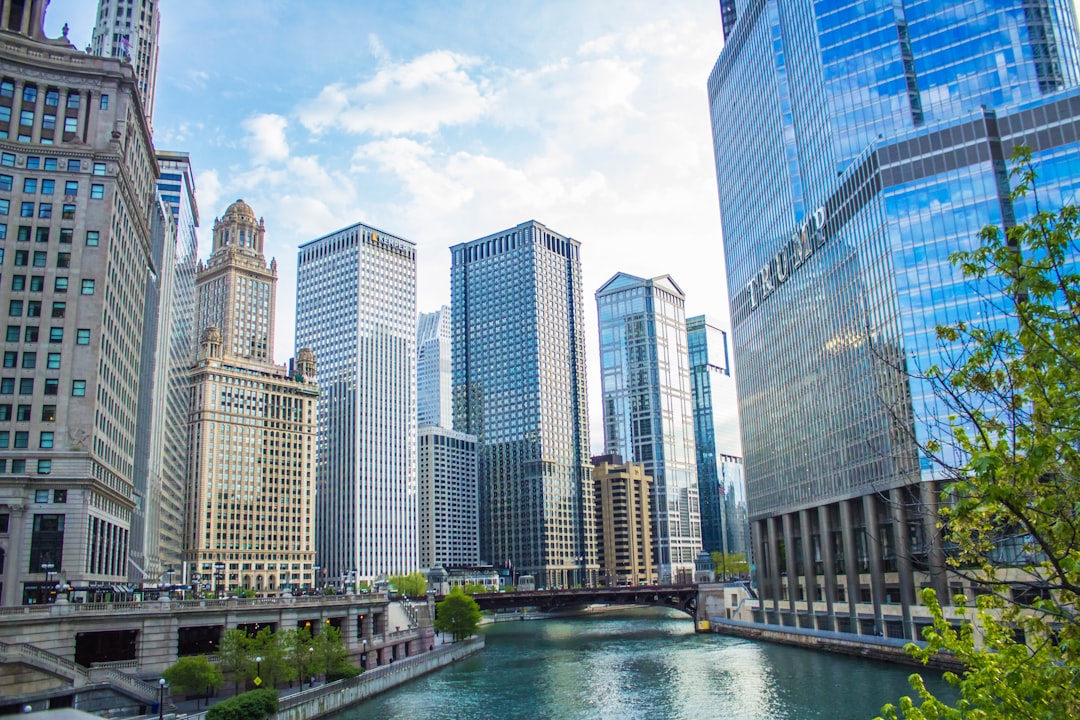 Photo by Gautam Krishnan on Unsplash
3. World-Class Museums You Can't Miss
Chicago punches above its weight for museums. The Museum Campus on the southern lakefront alone hosts three of the country's finest institutions within walking distance of each other.
The Art Institute of Chicago
One of the largest and most prestigious art museums in the United States, the Art Institute holds a collection spanning 5,000 years. Highlights include Georges Seurat's A Sunday on La Grande Jatte, Grant Wood's American Gothic, and an extraordinary collection of Impressionist and Post-Impressionist works by Monet, Renoir, and Picasso.
- Admission: ~$26 for adults; free for Chicago residents on certain days
- Tip: Go early on weekdays to avoid school groups and tour buses
The Field Museum
Home to Sue, the most complete T. rex skeleton ever found, the Field Museum is a natural history powerhouse covering ancient Egypt, Native American cultures, gemstones, and Pacific Island artifacts. Budget at least 3–4 hours.
- Admission: From $26 (basic); timed-entry tickets recommended online
- Don't miss: The "Evolving Planet" exhibit, tracing 4 billion years of life on Earth
Shedd Aquarium & Adler Planetarium
Right next door to the Field Museum, the Shedd Aquarium is one of the world's largest indoor aquariums — over 32,000 animals across freshwater and marine ecosystems. The Adler Planetarium, America's first (built in 1930), offers immersive dome shows and the city's best views of Lake Michigan from its terrace.
Museum Campus combo tip: Buy a Chicago CityPASS (~$130 for adults) to access the Art Institute, Field Museum, Shedd Aquarium, Adler Planetarium, and 360 Chicago at a significant discount versus paying separately.
4. Willis Tower Skydeck vs. 360 Chicago — Which Should You Choose?
Chicago has two iconic observation deck experiences atop its skyline. Here's a quick comparison:
| Feature | Willis Tower Skydeck | 360 Chicago |
|---|---|---|
| Height | 103rd floor (1,353 ft) | 94th floor (1,000 ft) |
| Signature feature | Glass-floor "Ledge" extending over the street | TILT — glass walls tilt outward at 45° |
| Price (2026) | ~$30 per adult | ~$30 per adult |
| Best for | Adrenaline + bragging rights | Smaller crowds + iconic skyline angle |
| Wait times | Often 45–90 min in summer | Generally shorter |
Verdict: Willis Tower Skydeck is the classic choice and the world's most photographed glass-floor experience. 360 Chicago offers a more relaxed visit and arguably a more dramatic northward view over the lake. If you only pick one, go with the Skydeck.
5. Navy Pier: Chicago's Iconic Waterfront
Navy Pier stretches nearly a mile into Lake Michigan and has been the city's most-visited attraction since its 1916 opening. The current incarnation balances tourist kitsch with genuine entertainment value:
- Centennial Wheel: a 196-foot Ferris wheel with climate-controlled gondolas offering panoramic lake views
- Chicago Children's Museum: one of the top family attractions in the Midwest
- Chicago Shakespeare Theater: world-class productions year-round
- Summer fireworks (Wednesday and Saturday nights in summer — free, visible from the pier)
- Multiple boat tour operators depart from here, including sunset and architecture cruises
- Dozens of restaurants and bars, from casual waterfront eats to craft cocktail lounges
Navy Pier is best in the evening when the lights come on and the crowds thin slightly. Avoid peak Saturday afternoons in July–August unless you enjoy sardine-like conditions.
6. Chicago's Epic Food Scene
Chicago's culinary identity is one of the strongest of any American city. Yes, the deep-dish is real — but so is the Michelin-starred innovation.
Deep-Dish Pizza
Chicago deep-dish is not a gimmick — it's a legitimate engineering achievement. The crust is buttery and thick, the cheese is layered beneath the chunky tomato sauce (inverted intentionally), and each pie takes 45–50 minutes to bake. The big names:
- Lou Malnati's (multiple locations): classic, beloved, reliable — order the Malnati Chicago Classic
- Giordano's: known for its "stuffed" pizza variant — even deeper than regular deep-dish
- Pequod's Pizza (Lincoln Park/Morton Grove): for a caramelized crust style that borders on addictive
Chicago-Style Hot Dogs
A Chicago dog is a precise, almost religious construction: a steamed all-beef frankfurter in a poppy seed bun, topped with yellow mustard, neon-green relish, diced onions, tomato wedges, a dill pickle spear, sport peppers, and celery salt. No ketchup. Ever. Portillo's and Gene & Jude's are the canonical spots.
Beyond the Classics
Chicago's dining scene extends far beyond its signature dishes. The West Loop neighborhood has become one of America's hottest restaurant corridors, with marquee names like Alinea (three Michelin stars, molecular gastronomy), avec, and Girl & the Goat. The Fulton Market area is similarly packed with innovative restaurants.
For another American city with an equally legendary food culture and vibrant street life, don't miss our guide to things to do in New Orleans.
7. Neighborhoods Worth Exploring
Chicago is a city of 77 official neighborhoods, each with its own distinct character. Beyond the downtown Loop, these are the neighborhoods most worth your time.
Lincoln Park
A tree-lined, upscale neighborhood bordering the park of the same name. Home to the Lincoln Park Zoo (free admission year-round — one of the last free major zoos in the US), excellent brunch spots along Armitage Avenue, and the charming Peggy Notebaert Nature Museum.
Wicker Park & Bucktown
The city's indie heartbeat. Think vintage record stores, tattoo parlors, BYOB restaurants, and bars that feel like someone's living room. The Flat Iron Building at the intersection of Milwaukee, North, and Damen is the unofficial neighborhood landmark. Weekend brunch here is a local tradition.
River North & Gold Coast
River North is Chicago's gallery district and home to some of the best cocktail bars in the city. The adjacent Gold Coast neighborhood contains historic mansions on Astor Street and Michigan Avenue's Magnificent Mile — 13 blocks of flagship stores and luxury boutiques perfect for a window-shopping stroll.
Pilsen
Chicago's vibrant Mexican-American neighborhood on the Near Southwest Side, home to the National Museum of Mexican Art (free admission!), colorful murals on nearly every block, and some of the city's most authentic taquerias and panaderías. Significantly less touristy than the Loop — and all the better for it.
8. Chicago Blues, Jazz & Live Music
Chicago is the birthplace of electric blues music — the bridge between Delta blues and rock and roll. In the mid-20th century, musicians like Muddy Waters, Howlin' Wolf, and Buddy Guy transformed the acoustic blues of the Mississippi Delta into an electrified, urban sound that would eventually shape the Beatles, Rolling Stones, and Jimi Hendrix.
Today, the living legacy is strongest in the South Loop and Uptown:
- Buddy Guy's Legends (700 S. Wabash): Buddy Guy himself still plays here in January. Year-round blues every night.
- Andy's Jazz Club (the Loop): intimate venue, ideal for weeknight jazz
- Green Mill Cocktail Lounge (Uptown): a genuine 1907 speakeasy that still feels like 1940s Chicago — one of the most atmospheric bars in America
- Rosa's Lounge (Logan Square): a beloved neighborhood blues club with an authentic, non-touristy crowd
Millennium Park hosts the Chicago Blues Festival (typically June, free admission) and the Grant Park Music Festival (classical, free, all summer).
If you enjoy city trips built around live music culture, our guide to things to do in Nashville covers another iconic American music destination worth exploring.
9. The Lakefront Trail & Outdoor Activities
Few cities in the world put such usable, beautiful green space right at their center. Chicago's Lakefront Trail runs 18.5 miles along Lake Michigan, from Ardmore Avenue in the north to 71st Street in the south. It's flat, well-maintained, and open year-round.
Activities along the trail:
- Cycling: Divvy bike-share stations every few blocks make this easy without your own bike (~$1/ride)
- Swimming: Over 30 free public beaches in summer; Oak Street Beach and North Avenue Beach are the most popular
- Kayaking: Several outfitters near Millennium Park rent kayaks and paddleboards from May–September
- Running: The path is popular at all hours — it's essentially Chicago's version of Central Park's running loop
Grant Park, which stretches along the lakefront south of Millennium Park, hosts Lollapalooza (August) and the Chicago Air and Water Show (August — the largest free air show in the US), among dozens of other annual festivals.
10. Things to Do in Chicago for Free
Chicago is surprisingly generous with its free offerings. Here's what you can do without spending a dollar:
| Free Activity | Details |
|---|---|
| Millennium Park | Always free — concerts, art, gardens |
| Lincoln Park Zoo | Free year-round |
| Chicago Cultural Center | Free; see the world's largest Tiffany dome |
| National Museum of Mexican Art | Free always |
| Lakefront Trail & beaches | Free public access |
| Chicago Blues Festival | Free (Grant Park, typically June) |
| Grant Park Music Festival | Free outdoor classical concerts (summer) |
| Chicago Air & Water Show | Free (August, Grant Park) |
| Chicago Riverwalk promenade | Free, open daily |
| Art Institute of Chicago | Free for Illinois residents (check website) |
Walking the streets of the Loop itself is free entertainment — the public art installations, the elevated "L" train tracks, and the architectural canyon of the Chicago River create a backdrop that feels genuinely cinematic.
11. Practical Chicago Travel Guide
Getting Around
Chicago's CTA (Chicago Transit Authority) runs the "L" elevated train on 8 color-coded lines throughout the city — 24 hours a day, 7 days a week. A single ride costs $2.50; a 1-day pass is $5, a 3-day pass is $15. The Blue Line connects O'Hare Airport to downtown in approximately 45 minutes.
Taxis and rideshare (Uber/Lyft) are abundant and reasonably priced within the city. You don't need a car — and parking in the Loop is expensive and frustrating.
Best Time to Visit Chicago
| Season | Conditions | Highlights |
|---|---|---|
| Summer (June–Aug) | Warm (75–90°F), very busy | Festivals, beach, outdoor dining |
| Fall (Sept–Oct) | Ideal (55–70°F), moderate crowds | Fall foliage, smaller crowds, baseball |
| Winter (Nov–Feb) | Cold (15–35°F), low crowds | Christkindlmarket, low hotel rates |
| Spring (March–May) | Variable, fewer crowds | Cherry blossoms, baseball opening day |
Peak season is July–August — expect higher prices and fully booked hotels. Shoulder season (May, September, October) offers the best balance of pleasant weather and value.
Chicago Budget Guide (per person per day)
- Budget traveler: $80–$120 (hostel or Airbnb, CTA transit, free attractions, pizza by the slice)
- Mid-range: $150–$250 (3-star hotel, architecture cruise, museum entry, casual dinner)
- Luxury: $350+ (boutique hotel, Michelin dining, guided tours, Skydeck)
FAQ: Things to Do in Chicago
How many days do you need in Chicago? A minimum of 3–4 days covers the essential highlights — Millennium Park, one architecture tour, 1–2 museums, a neighborhood walk, and the food scene. A full week lets you explore beyond the Loop and catch live music multiple nights.
What is Chicago most famous for? Chicago is world-famous for its architecture (birthplace of the skyscraper), deep-dish pizza, blues music, and its stunning Lake Michigan lakefront. The Cloud Gate sculpture and Willis Tower Skydeck are its most photographed landmarks.
Is Chicago safe for tourists? The tourist areas of Chicago — the Loop, River North, Lincoln Park, Gold Coast, Wicker Park, and Navy Pier — are safe and welcoming for visitors. As in any large city, use common sense after dark and stay in well-lit, populated areas. The lakefront is safe and busy throughout summer evenings.
What are the best free things to do in Chicago? Millennium Park, Lincoln Park Zoo, the Chicago Lakefront Trail, the National Museum of Mexican Art, the Chicago Cultural Center, and summer outdoor festivals (Blues Festival, Grant Park Music Festival, Air & Water Show) are all completely free.
What is the best neighborhood to stay in for first-time visitors? The Loop or River North neighborhoods put you within walking distance of most major attractions. Lincoln Park is a great choice for a more residential, quieter feel with easy L-train access to downtown.
When is the best time to visit Chicago? Late May through early June and September through October offer the best weather for sightseeing without summer peak crowds and prices. Summer brings festivals and beach weather but also the city's highest hotel rates.
Is the Chicago Architecture Cruise worth it? Absolutely. It consistently ranks as the city's top-rated paid experience. The narrated 90-minute CAF river cruise provides architectural context that makes the entire city more meaningful — and the views are spectacular. Book in advance.
Conclusion: Start Planning Your Chicago Adventure
Chicago rewards every type of traveler. Art lovers, foodies, architecture obsessives, blues fans, outdoor enthusiasts — the city doesn't just check boxes, it delivers experiences that feel genuinely unique to this place and nowhere else on Earth.
Start with the Cloud Gate and let the city unfold from there. Give yourself at least four days, eat as much deep-dish as physically reasonable, and don't leave without catching live blues on a Tuesday night at Buddy Guy's Legends.
Ready to plan your Chicago trip? Use Spotli.st to build your personalized itinerary — save your must-see spots, organize them by neighborhood, and share the plan with your travel companions.
Envie de créer ta propre liste de spots ?
Rejoins Spotli.st et partage tes bonnes adresses avec le monde entier.
Créer mon compte gratuit