Things to Do in Seattle: The Ultimate 2026 Guide to the Emerald City
Discover the best things to do in Seattle in 2026: Space Needle, Pike Place Market, Pioneer Square, neighborhoods, day trips & a 3-day itinerary.
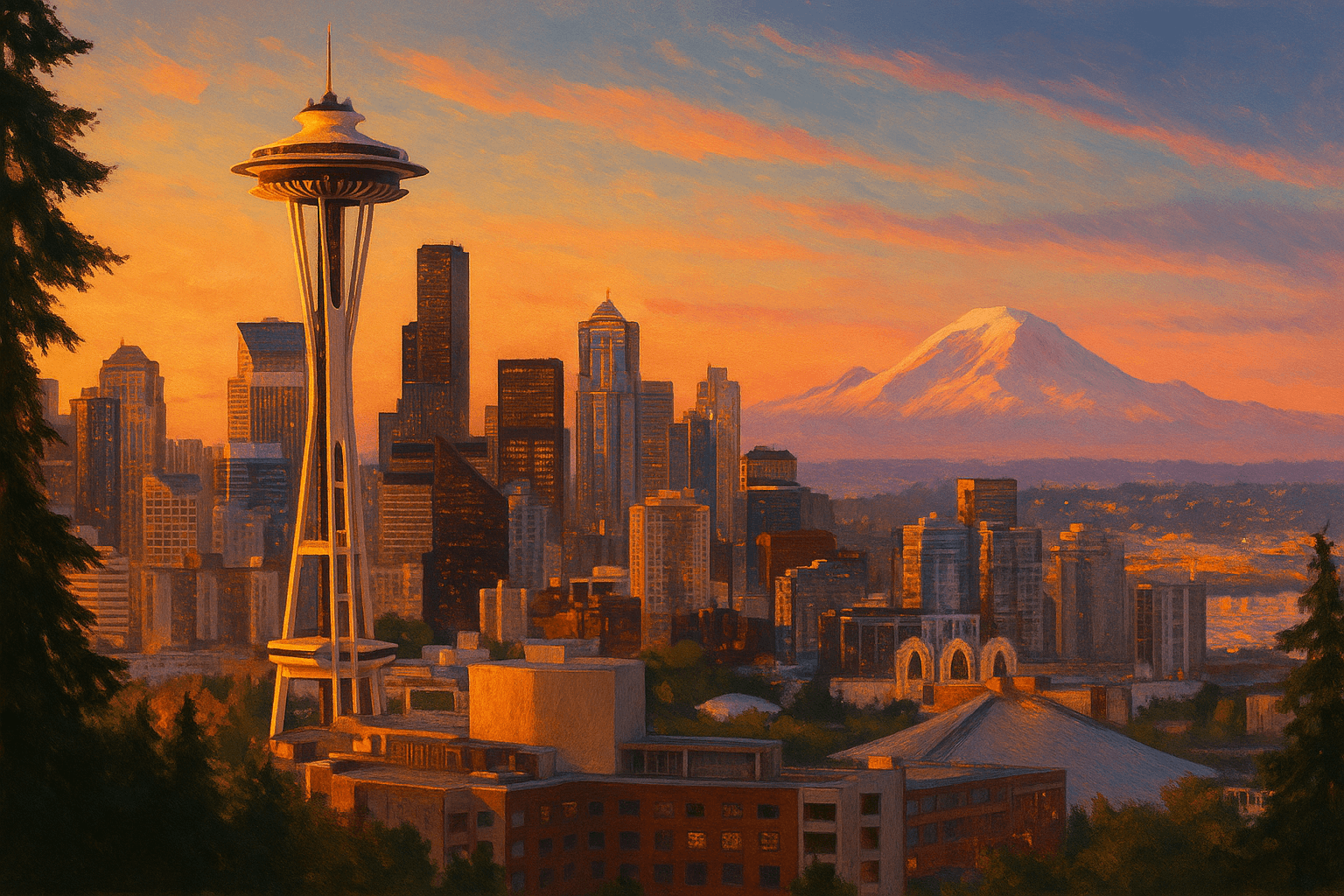
Things to Do in Seattle: The Ultimate 2026 Guide to the Emerald City
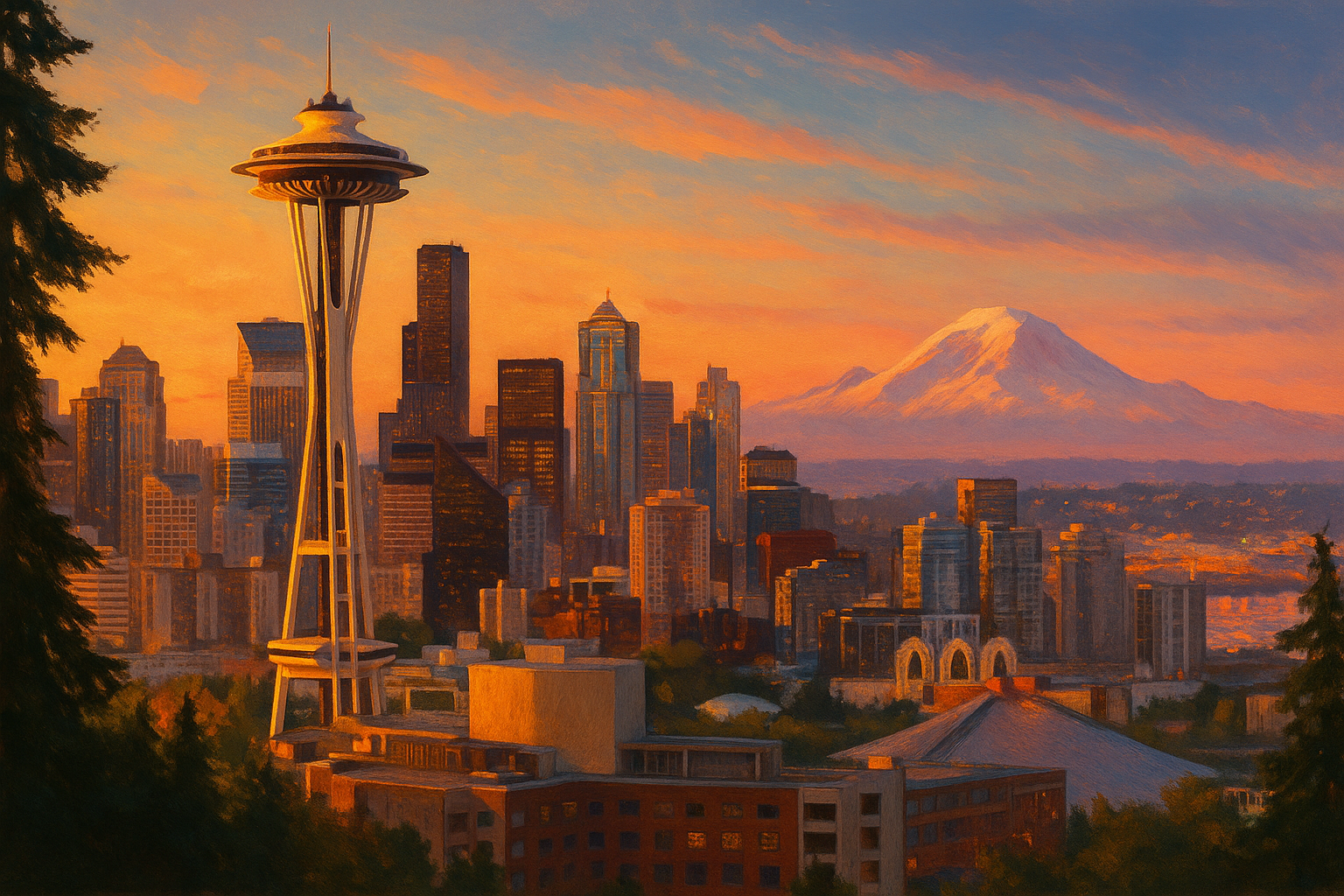
Seattle doesn't announce itself quietly. Perched between the glittering expanse of Puget Sound and the volcanic silhouette of Mount Rainier, the Emerald City earns its nickname with year-round layers of forest green that carpet its hills. It's the city that gave birth to Starbucks, Nirvana, Amazon, and Boeing — a place where tech ambition meets Pacific Northwest soul.
Whether you're visiting for the first time or returning for a deeper dive, the things to do in Seattle span an impressive range: world-class food markets, glass-art museums, underground history tours, thriving neighborhood bar scenes, and some of the best day-trip hiking in the lower 48. This guide covers it all — the iconic, the underrated, and the practical — so you can get the most out of every hour in Washington's most electrifying city.
Why Seattle Belongs on Your 2026 Travel List
Seattle is the Pacific Northwest's cultural and culinary capital, and 2026 is an excellent year to visit. The city has fully transformed its historic waterfront — the old elevated Alaskan Way Viaduct is gone, replaced by a stunning promenade connecting the ferry terminal to the Olympic Sculpture Park. Ticket prices to major attractions remain reasonable compared to coastal peers, and the city's restaurant scene — James Beard Award winners, a thriving pan-Asian food culture, and farm-to-table pioneers — continues to punch well above its weight.
Best time to visit Seattle: July through September delivers the city's legendary blue-sky days, temperatures in the low-to-mid 70s°F, and a packed festival calendar. That said, Seattle functions beautifully year-round — even winter visits offer moody atmospheric beauty and zero tourist crowds. The city averages only 144 sunny days per year, making summer genuinely precious.
The Iconic Landmarks You Simply Cannot Skip
Space Needle
No visit to Seattle is complete without confronting the Space Needle. Built for the 1962 World's Fair, it stands 605 feet tall and remains one of the most recognizable structures in the American West. The observation deck sits at 520 feet and features floor-to-ceiling glass walls and — most memorably — a transparent glass floor that lets you look straight down to the ground 500 feet below.
On a clear day, the 360° view takes in the Olympic Mountains to the west, the Cascade Range to the east, and the snow-capped cone of Mount Rainier rising 14,411 feet to the southeast. The rotating SkyCity restaurant at the top completes the experience if you want to combine views with a meal.
Pro tip: Book tickets online at least a day ahead to skip the line. A combo ticket with Chihuly Garden and Glass (right next door) saves roughly $10 per person.
Cost: ~$37–$42 adults; ~$27–$30 ages 5–12. Open daily 9 a.m.–9 p.m.
Chihuly Garden and Glass
Sharing Seattle Center with the Space Needle, Chihuly Garden and Glass is arguably the most visually arresting museum in the city. The work of Washington native Dale Chihuly, the museum moves visitors through eight indoor galleries and a breathtaking outdoor garden, all filled with monumental blown-glass sculptures that seem to defy physics. The 100-foot-long Glasshouse is the centerpiece — particularly dazzling at sunset when light plays off the orange, red, and gold forms overhead.
In the garden, local glass artists regularly demonstrate the painstaking process of forming and coloring molten glass. It's a genuinely unique experience that makes the combo ticket with the Space Needle an obvious call.
Cost: ~$32 adults. Closed Tuesdays.
Seattle Center
The broader Seattle Center campus — the 74-acre park built for the 1962 World's Fair — is a destination in itself. Beyond the Space Needle and Chihuly, you'll find the Museum of Pop Culture, the Pacific Science Center, the Seattle Children's Theatre, a skating rink (seasonal), and a rotating lineup of food trucks and live events that rivals any festival in the city.
Pike Place Market: The Beating Heart of Seattle
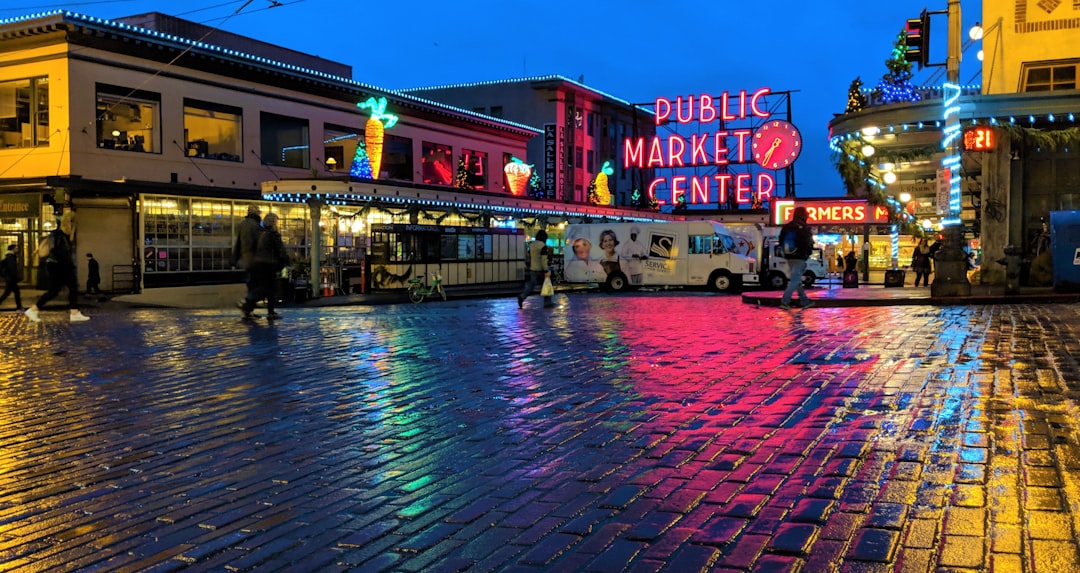 Photo by Sabine Ojeil on Unsplash
Pike Place Market isn't just a tourist attraction — it's a functioning public farmers market that has operated continuously since 1907, making it one of the oldest in the United States. The main arcade teems with independent vendors selling fresh Dungeness crab, wild Pacific salmon, artisan cheeses, handmade pastas, towering flower bouquets, and the kind of produce that reminds you Washington State is one of America's great agricultural powerhouses.
What to Do at Pike Place
- Watch the fish throw: The fishmongers at Pike Place Fish Market hurl whole salmon across the counter to the packer waiting behind. It's theatrical, it's slightly chaotic, and it's absolutely worth stopping for.
- Grab a chowder: Pike Place Chowder has won the New England Clam Chowder Invitational multiple times. The line is always long; it is always worth it.
- Explore the Down Under: Below the main arcade, a multi-level labyrinth of antique shops, small restaurants, craft vendors, and eccentric storefronts fills a warren that most visitors never find. Budget an extra hour if you're curious.
- Visit the Original Starbucks: Yes, it's touristy. Yes, you should still go. The first Starbucks (1912 Pike Place, opened 1971) serves the exact same menu as every other location, but with considerably better bragging rights and a much longer line.
- Rachel the Piggy Bank: The life-size bronze piggy bank near the main entrance collects donations for market social services. Rub her snout for good luck — everyone does.
Hours: Daily 9 a.m.–6 p.m. (individual vendor hours vary). Free to enter.
Pioneer Square & Seattle's Underground History
Pioneer Square is Seattle's oldest neighborhood, and it wears that history in every cobblestone. The brick-and-iron architecture along First Avenue South dates to the city's reconstruction after the Great Fire of 1889, which destroyed 25 city blocks in a single afternoon. Today the area mixes art galleries, craft cocktail bars, and two of the city's most compelling museum experiences.
Bill Speidel's Underground Tour
The single best history experience in Seattle. After the 1889 fire, city planners rebuilt the streets one to two stories above the original ground level to solve chronic flooding problems — meaning the original Victorian storefronts, sidewalks, and building entrances were simply buried underground. The 75-minute guided walking tour descends into this preserved subterranean world while delivering genuinely funny and surprisingly bawdy local history.
Cost: ~$26 adults. Tours run daily; book at undergroundtour.com.
Klondike Gold Rush National Historical Park
This free National Park Service museum tells the story of Seattle's critical role as the staging ground for the 1897–98 Klondike Gold Rush, when tens of thousands of prospectors outfitted themselves in Seattle before heading north to the Yukon. Small but exceptionally well done — and entirely free. Worth 45 minutes.
Occidental Square
The pedestrianized park at Pioneer Square's heart is ringed by galleries representing some of Seattle's best artists, and makes an ideal pit stop between museums. On Thursday evenings in summer, it hosts a farmers market and live music.
Seattle's Best Neighborhoods to Explore
Seattle is a city of distinct, walkable neighborhoods, each with its own personality. Getting off the main tourist path here is richly rewarded:
Capitol Hill: Art, Energy & Seattle's Best Nightlife
Capitol Hill is Seattle's cultural engine — dense, walkable, endlessly entertaining. The Broadway and Pike/Pine corridors are packed with independent coffee roasters, vintage clothing stores, LGBTQ+ bars and venues, James Beard Award–nominated restaurants, and live music spots ranging from 50-person underground clubs to 2,000-seat theaters. During the day, Volunteer Park (home to the Seattle Asian Art Museum and a Victorian glass conservatory) offers a gorgeous, quieter counterpoint. At night, Capitol Hill is the undisputed center of Seattle's social universe.
Don't miss: Spinasse (handmade Italian pasta), Poquitos (mezcal and tacos), Linda's Tavern (beloved dive bar — Kurt Cobain's last-known public appearance was here).
Ballard: Nordic Roots & Craft Beer Capital
Settled by Scandinavian fishermen in the late 19th century, Ballard has evolved into Seattle's craft beer capital without losing its maritime soul. The Hiram M. Chittenden Locks (free) are a fascinating civil engineering attraction — watch boats transit between Lake Union and Puget Sound while salmon navigate the adjacent fish ladder. The Sunday Ballard Farmers Market (year-round, rain or shine) is one of the best in the Pacific Northwest.
Don't miss: Stoup Brewing, Populuxe Brewing, the Nordic Heritage Museum, the Ballard Locks.
Fremont: The Center of the Universe (Self-Declared)
Fremont takes its civic eccentricity extremely seriously. A 53-ton decommissioned Cold War rocket mounted on a corner building. A massive concrete troll lurking under the Aurora Bridge (the Fremont Troll, installed 1990). A 16-foot bronze statue of Lenin salvaged from Slovakia after the fall of communism. The neighborhood motto — "De Libertas Quirkas" (Freedom to be Peculiar) — is both joke and sincere statement of values. It also hosts excellent brunch spots and the Sunday Fremont Market (flea market plus artisan vendors, open year-round).
Seattle's Coffee Culture: Skip the Mermaid
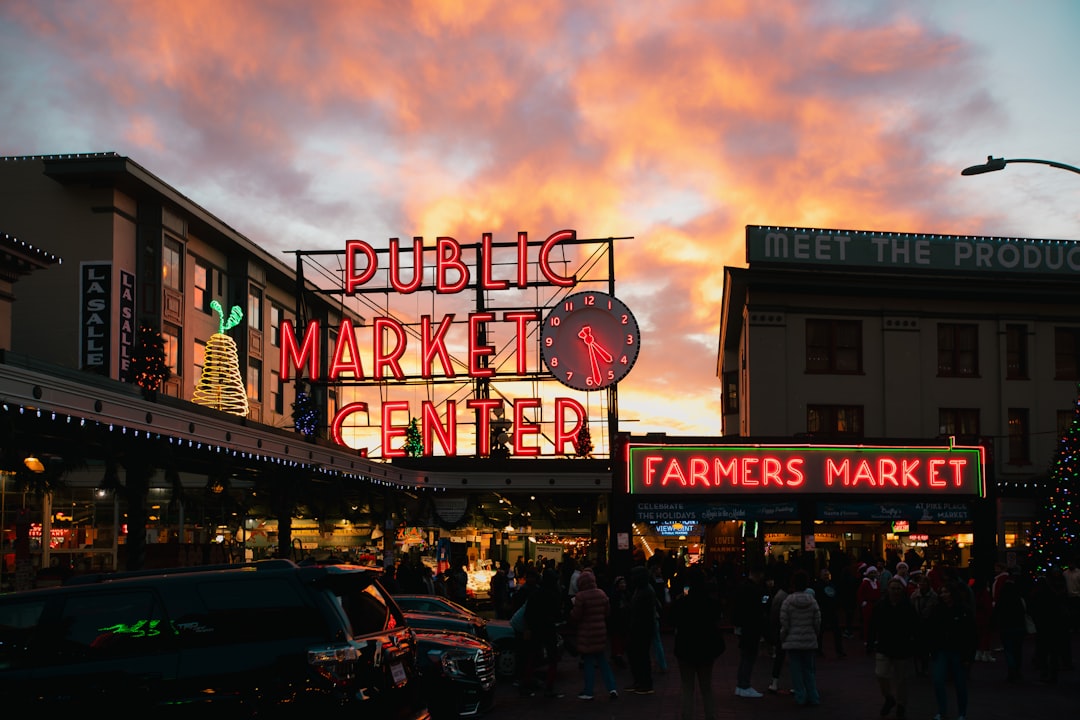 Photo by Deepthi Clicks on Unsplash
Seattle is the birthplace of the modern American coffee shop, and while Starbucks is the global ambassador of that legacy, the city's independent roasters have quietly been outpacing the green mermaid for decades. Seattle's café culture is among the most developed in the country — think single-origin pour-overs, direct-trade relationships with farms in Ethiopia, Colombia, and Guatemala, and baristas who treat their craft with the same seriousness as any Michelin-starred chef.
The rule Seattle locals will repeat until you believe it: "Coming to Seattle and drinking Starbucks is like flying to Italy and eating at Olive Garden." Message received.
Top local roasters to seek out:
| Roaster | Neighborhood | Style |
|---|---|---|
| Victrola Coffee Roasters | Capitol Hill | Classic espresso bar; Seattle institution since 2000 |
| Lighthouse Roasters | Fremont | Small, unpretentious, superb single-origins |
| Caffe Vita | Multiple locations | One of Seattle's original specialty roasters |
| Café D'arte | Pioneer Square | Italian-style, dark roast, perfect with a pastry |
| Broadcast Coffee | Roosevelt | Light-roast specialists, stunning café design |
The Seattle Waterfront & Olympic Sculpture Park
The renovation of Seattle's waterfront is one of the city's great recent civic achievements. With the removal of the Alaskan Way Viaduct completed in 2019 and the subsequent multi-year promenade construction, Seattle now has a continuous, largely car-free pedestrian route running from Pike Place Market north to Myrtle Edwards Park. Along the way:
- Seattle Great Wheel — A 175-foot Ferris wheel right on Pier 57, with gondolas that hold up to 8 people and unobstructed views of Elliott Bay and the Olympic Mountains beyond. ~$16 adults.
- Seattle Aquarium — One of the best aquariums on the West Coast, with a Pacific coral reef exhibit, giant Pacific octopus encounters, and a tidal-zone touch pool. Admission ~$30 adults. A major expansion opens in 2026 adding 50,000 sq ft of new exhibits.
- Olympic Sculpture Park (free) — A Seattle Art Museum–managed outdoor park at the north end of the waterfront, featuring site-specific large-scale sculptures set against sweeping views of Puget Sound and the Olympics. The most photogenic free experience in Seattle, full stop.
Seattle's Best Museums: A Quick Guide
Seattle punches above its weight on cultural institutions. Here's the full breakdown to help you decide what fits your interests:
| Museum | Focus | Cost | Don't-Miss Highlight |
|---|---|---|---|
| MoPOP (Museum of Pop Culture) | Music, sci-fi, fantasy | ~$30 | Nirvana & Hendrix artifacts; Sound Lab |
| MOHAI (Museum of History & Industry) | Seattle history | ~$22 | 1919 Boeing B-1 flying boat |
| Seattle Art Museum (SAM) | Fine & decorative art | ~$30 | Northwest Coast Native American collection |
| Pacific Science Center | Science, tech, IMAX | ~$25 | Planetarium; dinosaur exhibit |
| Seattle Asian Art Museum | Asian art | ~$17 | Jade, ceramics, textile collections |
| Klondike Gold Rush Museum | Gold Rush history | Free | Outfitting displays, prospector stories |
MoPOP deserves special mention. The Frank Gehry–designed building at Seattle Center — clad in rippling titanium panels that evoke guitar picks and sound waves — houses one of the most engaging pop-culture collections in the world. Jimi Hendrix's handwritten lyrics. Kurt Cobain's guitar and green cardigan. An immersive sci-fi and fantasy wing that will consume any genre fan for hours. Grunge was born in Seattle, and MoPOP tells that story better than anywhere on earth.
Day Trips from Seattle: The Geographic Advantage
Seattle's location is its secret superpower for day-trippers. Within 2–3 hours, you can be in the Cascades, on a remote island, or deep in old-growth temperate rainforest.
Bainbridge Island (35-Minute Ferry)
The most accessible and beautiful day trip from Seattle. The Washington State Ferry from Colman Dock crosses Elliott Bay in 35 minutes for just $9.25 per person (westbound; the return is free). Once on the island, a compact downtown with coffee shops, art galleries, a cidery, and exceptional farm-to-table restaurants awaits. Rent a bike at the ferry terminal and follow the Bainbridge Island Loop (13 miles of gentle terrain). The return journey at sunset — watching Seattle's skyline grow across the water — is one of the great travel moments in the entire Pacific Northwest.
Mount Rainier National Park (~2 Hours South)
The 14,411-foot stratovolcano is visible from virtually everywhere in Seattle on a clear day, and driving into the national park delivers a completely different scale of experience. July through September, the Paradise visitor area at 5,400 feet is ablaze with subalpine wildflower meadows. The Skyline Trail Loop (5.5 miles, moderate) rewards with close-up glacier views. The Naches Peak Loop (3.5 miles, easy) offers spectacular panoramas without significant elevation gain.
Entry fee: $35 per vehicle; covered by America the Beautiful pass.
Snoqualmie Falls (~45 Minutes East)
Snoqualmie Falls plunges 268 feet — 100 feet taller than Niagara Falls — and can be viewed for free from the upper observation deck, just a short walk from the parking lot. The surrounding Snoqualmie Valley is rich with farm stands, a heritage steam railroad, and easy hiking trails. A perfect half-day escape that requires no advance planning.
Seattle for Sports Fans
Seattle is one of America's most passionate sports cities — a fact that will surprise no one who has stood inside Lumen Field on a game day.
- Seattle Mariners (MLB): T-Mobile Park in SoDo is a beautiful urban ballpark, and summer evening games are quintessential Pacific Northwest experiences. The views of the city skyline above the outfield are excellent; the garlic fries are non-negotiable. Tickets from ~$20.
- Seattle Seahawks (NFL): Lumen Field holds a Guinness World Record for crowd noise from an NFL stadium. If you can get tickets to a home game, it is an experience unlike almost any other in American sport. Tickets from ~$80.
- Seattle Sounders (MLS) & OL Reign (NWSL): Both soccer teams play at Lumen Field and have passionate, diverse fan bases. Sounders matches especially draw enormous, carnival-atmosphere crowds. MLS tickets from ~$25.
- Seattle Storm (WNBA): One of the most decorated franchises in WNBA history (4 championships), the Storm play at Climate Pledge Arena — the world's first net-zero certified arena. Tickets from ~$20.
Practical Tips for Visiting Seattle in 2026
Getting Around Seattle
Seattle's topography — seven steep hills, water on multiple sides — makes it walkable within concentrated neighborhoods but challenging across the full city. Key transportation options:
- Link Light Rail: Connects Sea-Tac Airport to downtown, Capitol Hill, and the University District. ~40 minutes from airport to downtown for $3.50. Clean, reliable, frequent.
- Seattle Streetcar: Two lines cover Capitol Hill and the South Lake Union tech corridor. $2.50 per ride.
- Ride-share: Uber and Lyft are abundant. Essential for reaching Ballard, Fremont, and West Seattle.
- Bike share: Lime and Lyft bikes are deployed citywide; ideal for the flat waterfront and South Lake Union areas.
- On foot: Pike Place to Pioneer Square to the waterfront to Seattle Center is all walkable in under 30 minutes each.
Budget Overview
| Expense | Approximate Cost |
|---|---|
| Space Needle + Chihuly combo ticket | ~$64 adult |
| Pike Place Market lunch | ~$15–25 |
| Underground Tour | ~$26 adult |
| Ferry to Bainbridge Island (one way) | ~$9.25 |
| Average dinner (mid-range restaurant) | ~$35–55 per person |
| Seattle CityPASS (5 top attractions) | ~$109 adult (~45% savings) |
| Mount Rainier National Park | $35 per vehicle |
The Seattle CityPASS (~$109 adults, ~$79 youth) covers admission to the Space Needle, Chihuly Garden and Glass, Seattle Aquarium, MoPOP or Pacific Science Center, and MOHAI or Woodland Park Zoo. If you plan to visit four or more of those, it's a clear financial win and skips many ticket lines.
Where to Stay
- Downtown/Belltown: Most central, closest to Pike Place Market and the waterfront. Best for first-timers.
- Capitol Hill: Best neighborhood character; walkable to restaurants, bars, and the light rail.
- South Lake Union: Modern, tech-adjacent, excellent light rail access, quieter at night.
- Waterfront hotels: Premium pricing for unbeatable Elliott Bay views.
The Perfect 3-Day Seattle Itinerary
Planning a trip to Seattle and wondering what to do in Seattle in 3 days? Here's an optimized plan:
Day 1 — Iconic Seattle
Start at Pike Place Market by 9 a.m. before the crowds build. Watch the fish throw, grab a coffee (local, not Starbucks), and explore the Down Under. Walk south to Pioneer Square for the Underground Tour (book the 11 a.m. slot). Lunch at Occidental Square. Afternoon: stroll the new waterfront promenade, visit the Olympic Sculpture Park (free), and ride the Seattle Great Wheel. Evening: head to Capitol Hill for dinner and drinks.
Day 2 — Islands & History
Morning: catch the 9 a.m. ferry from Colman Dock to Bainbridge Island. Rent a bike, explore the town, have lunch at a waterfront restaurant, and catch the early afternoon ferry back (the crossing views are magnificent). Back in Seattle: afternoon visit to MOHAI in South Lake Union (~2 hours). Evening: Ballard for craft beer at Stoup Brewing and dinner.
Day 3 — Culture & Nature
Morning: Seattle Center for the Space Needle, Chihuly Garden and Glass, and MoPOP (budget 3–4 hours total). Lunch in Fremont — find the Troll under the bridge while you're there. Afternoon drive to Snoqualmie Falls (~45 min east via I-90). Return via Bellevue's waterfront park. Final evening: your choice of Capitol Hill or Fremont for a farewell dinner.
Seattle pairs exceptionally well with other major US West Coast cities. If you're building a longer road trip, our guides to things to do in San Francisco and things to do in Los Angeles cover both cities in the same depth. For an East Coast comparison, see what's on offer with things to do in New York City or things to do in Washington DC.
FAQ: Things to Do in Seattle
What should I not miss in Seattle?
The absolute non-negotiables for a first-time visitor are: Pike Place Market (go early), the Space Needle + Chihuly combo, the Underground Tour in Pioneer Square, and a Washington State Ferry ride to Bainbridge Island. Between those four experiences, you'll have covered Seattle's history, culture, food scene, waterfront, and natural setting in a single cohesive journey.
What is Seattle's main attraction?
The Space Needle is Seattle's most iconic attraction — the image the world associates with the city. However, many locals and repeat visitors argue that Pike Place Market is the true heart of Seattle. Operating since 1907, supporting hundreds of small independent businesses, and delivering an authentic cross-section of the city's food culture and community, it captures the city's character more honestly than any observation deck.
What to do in Seattle in 3 days?
Three days is a solid foundation. Use Day 1 for Pike Place Market, Pioneer Square, and the waterfront. Day 2 for a Bainbridge Island ferry day trip plus Ballard in the evening. Day 3 for Seattle Center (Space Needle + Chihuly + MoPOP) and a Snoqualmie Falls afternoon drive. Full details in the 3-day itinerary section above.
What are the top 5 tourist attractions in Seattle, WA?
- Space Needle — Seattle's iconic 605-foot observation tower, built for the 1962 World's Fair
- Pike Place Market — the nation's oldest continuously operating farmers market (est. 1907)
- Chihuly Garden and Glass — world-class blown-glass art museum next to the Space Needle
- Underground Tour — 75-minute guided tour through Pioneer Square's buried Victorian streets
- Museum of Pop Culture (MoPOP) — Frank Gehry–designed museum with Nirvana, Hendrix, and sci-fi collections
Is Seattle expensive to visit?
Seattle is moderately expensive by US standards — broadly comparable to Chicago and notably less expensive than New York or San Francisco. Budget roughly $150–200/day per person for a mid-range experience (accommodation, meals, and 1–2 paid activities). The Seattle CityPASS ($109) significantly reduces costs if you plan to visit multiple paid attractions. The Olympic Sculpture Park, Klondike Gold Rush Museum, Bainbridge Island ferry views, and most neighborhood exploration are free.
Is Seattle safe for tourists?
Like any major American city, Seattle requires normal urban awareness. The waterfront, Pike Place Market, Capitol Hill, Ballard, and Fremont are busy and comfortable at all hours. Exercise standard city awareness around the Third Avenue corridor in downtown, particularly at night. Overall, Seattle is among the more visitor-friendly major US cities.
When is the best time to visit Seattle?
July through September is peak season and delivers Seattle at its sunniest and most festive. August is the warmest month, averaging 75°F. June can still be overcast ("Junuary," as locals call it). October through May brings rain but also dramatically lower prices, smaller crowds, and the moody atmospheric beauty that inspired grunge. If you can only go once, aim for late July or August.
Final Thoughts: The Emerald City Awaits
Seattle is one of America's genuinely great cities, and it rewards visitors who go a layer deeper than the Space Needle selfie. Walk its neighborhoods, eat at its markets, take the ferry at golden hour across Elliott Bay, and let the mountains remind you why people love the Pacific Northwest so fiercely. There's a reason this city consistently ranks among the top US destinations for quality of life and visitor satisfaction — its geography is extraordinary, its food culture is world-class, and its people carry a particular blend of intellectual curiosity and outdoors-bred optimism that makes the whole place feel alive.
Whatever brings you to Seattle in 2026, the Emerald City will have you planning a return trip before your flight home has even taken off.
Envie de créer ta propre liste de spots ?
Rejoins Spotli.st et partage tes bonnes adresses avec le monde entier.
Créer mon compte gratuit