Things to Do in Washington DC: The Ultimate 2026 Guide to the Nation's Capital
Discover the best things to do in Washington DC in 2026: free museums, monuments, neighborhoods, food, day trips & practical tips for first-timers.
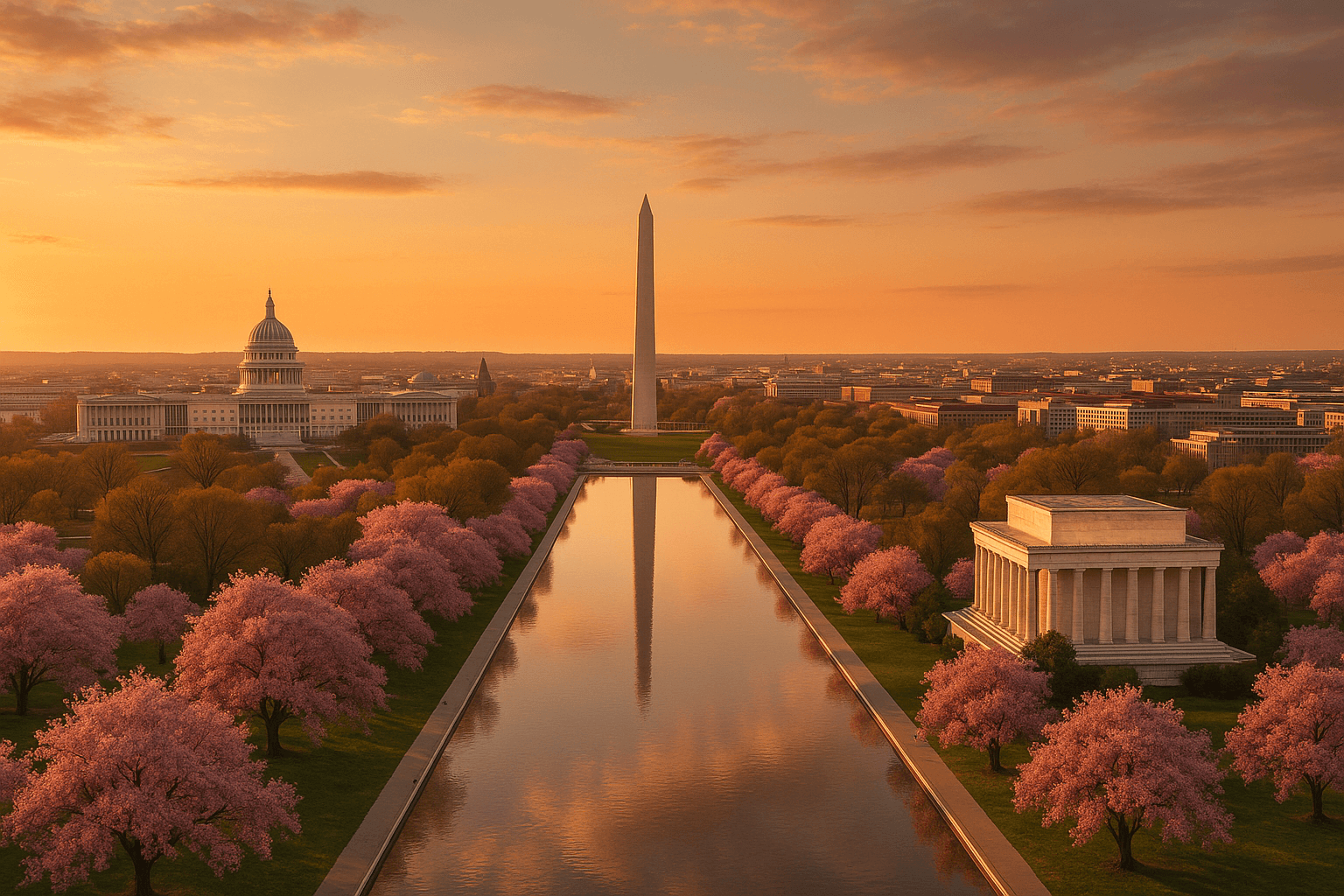
Things to Do in Washington DC: The Ultimate 2026 Guide to the Nation's Capital
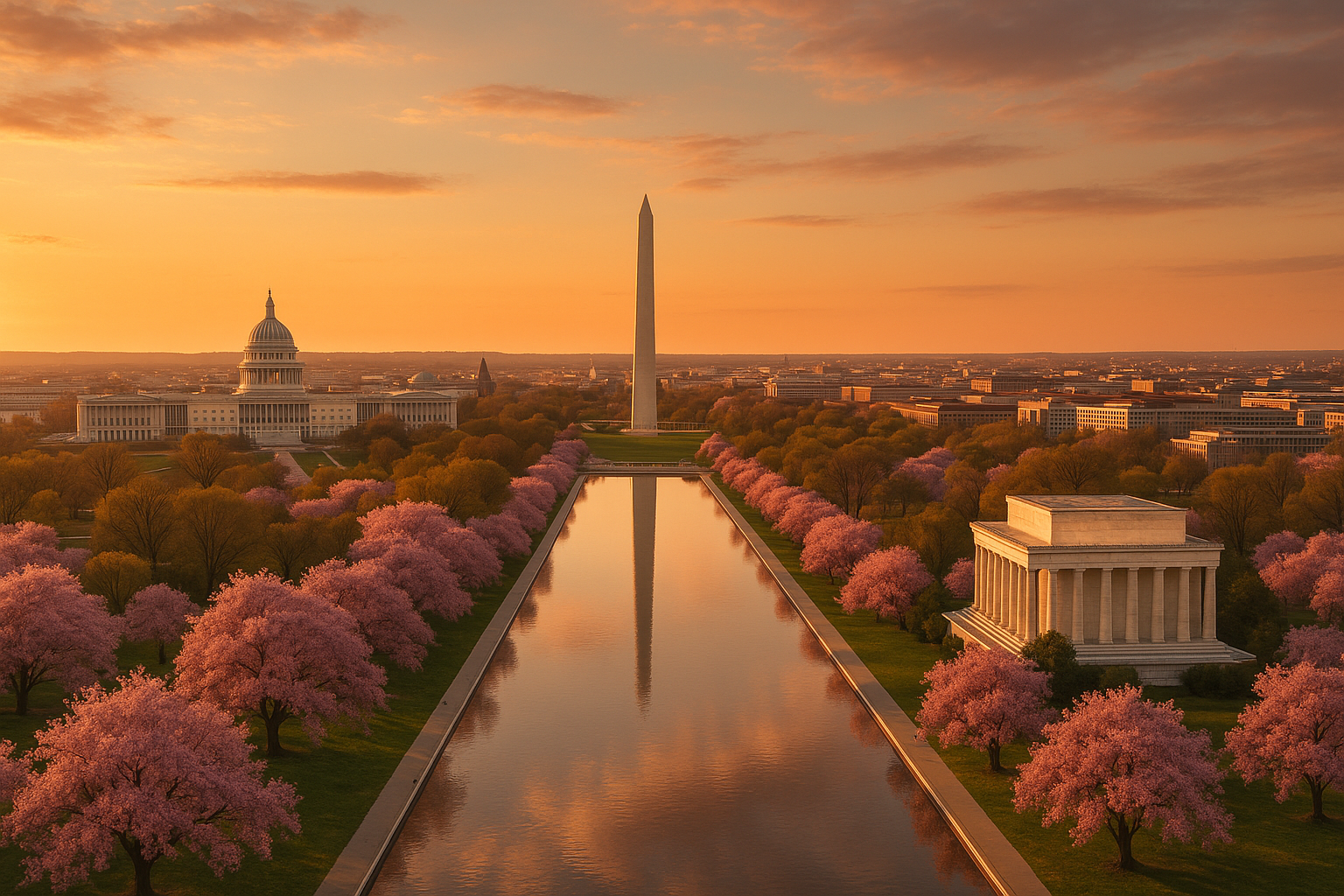
Washington DC punches far above its weight as a travel destination. Yes, it's the seat of American power — but strip away the politics and you'll find one of the most walkable, culturally rich, and astonishingly affordable cities in the United States. Nearly all of its world-class museums are completely free. Its monuments are staggeringly beautiful. Its neighborhoods buzz with personality. And its food scene has quietly evolved into one of the most exciting on the East Coast.
Whether you're planning a first visit or a long-overdue return, this guide covers everything you need to know about the best things to do in Washington DC in 2026 — from sunrise on the National Mall to craft cocktails on the Wharf at midnight. We've answered the most common visitor questions, mapped out the must-sees, surfaced the underrated gems, and given you all the practical information you need to make every hour count.
Why Washington DC Belongs on Every US Bucket List
Washington DC is unlike any other American city. While New York City dazzles with its skyline and energy and Chicago stuns with its architecture and lakefront, DC offers something uniquely its own: a living monument to democracy, history, and the American experiment — free to explore by anyone who shows up.
Here's what makes DC special in 2026:
- 19 Smithsonian museums and galleries, all free, drawing over 30 million visitors per year
- The National Mall — a 2-mile stretch of iconic memorials and green space right in the city center
- America's 250th birthday celebrations: DC is a focal point of the USA250 commemoration throughout 2026
- A thriving dining scene rooted in Ethiopian, Salvadoran, and mid-Atlantic seafood traditions
- Easy train access from New York, Philadelphia, and Boston — making DC a perfect addition to any East Coast itinerary
Explore the National Mall — America's Outdoor Museum
The National Mall is the obvious starting point — and it deserves every superlative. This 2-mile greensward connects the U.S. Capitol to the Lincoln Memorial and is flanked by the Smithsonian museums on both sides. It's entirely free to walk, and most visitors underestimate how much ground they'll cover here.
Plan at least half a day — ideally a full day — for the Mall alone. Arrive early to beat crowds and the summer heat.
Washington Monument
The 555-foot obelisk at the center of the Mall is America's most recognizable landmark. Built to honor the nation's first president, it remained the tallest structure in the world for five years after its 1884 completion. Today, you can ride an elevator to the observation deck for sweeping 360-degree views of the city — timed-entry tickets are required and often sell out weeks in advance. Book through recreation.gov as soon as your trip is confirmed.
Lincoln Memorial & the Reflecting Pool
At the western end of the Mall stands the Lincoln Memorial, one of the most emotionally resonant sites in America. The 19-foot marble statue of Abraham Lincoln gazes down the Reflecting Pool toward the Washington Monument with a solemnity that stops most visitors in their tracks. The inscriptions of the Gettysburg Address and Lincoln's Second Inaugural Address line the chamber walls. Martin Luther King Jr. delivered his "I Have a Dream" speech from its steps in 1963 — a fact marked by a floor inscription you can stand on.
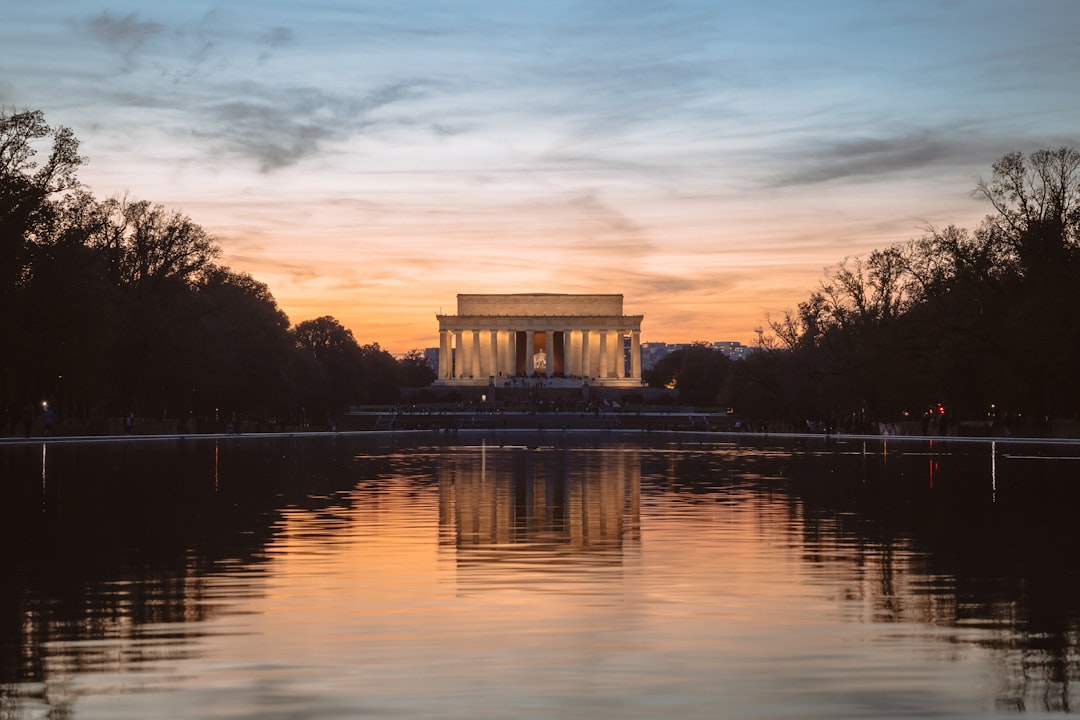 Photo by Andy Feliciotti on Unsplash
Vietnam War Memorial, WWII Memorial & Korean War Veterans Memorial
The Vietnam Veterans Memorial is perhaps the most moving monument on the Mall. Nearly 500 feet of black granite panels bear the names of 58,281 Americans killed or missing in action. Visitors leave flowers, photographs, and mementos at the base — the accumulation of grief and gratitude is overwhelming.
The World War II Memorial sits at the center of the Mall, a sunken circular plaza with 56 granite pillars representing every U.S. state and territory. The Korean War Veterans Memorial features 19 steel statues of soldiers mid-patrol — eerily lifelike and profoundly affecting.
Martin Luther King Jr. Memorial & Thomas Jefferson Memorial
Tucked along the Tidal Basin, the MLK Jr. Memorial features a 30-foot granite figure of Dr. King emerging from a "Mountain of Despair." Just across the water, the Thomas Jefferson Memorial is a domed neoclassical temple with four large panels inscribed with Jefferson's most significant writings. This side of the Tidal Basin is also where Washington DC's legendary cherry trees bloom each spring — typically late March to mid-April.
The Smithsonian Museums — 19 Free World-Class Institutions
The Smithsonian Institution operates 19 museums and galleries in Washington DC, and every single one is free. This is one of the great cultural bargains anywhere on earth. You'd need weeks to see them all properly, so prioritize based on your interests.
National Museum of Natural History
The blue whale hanging in the Ocean Hall. The Hope Diamond (45.5 carats of steel-blue brilliance). The massive African elephant in the rotunda. This museum is a genuine wonder, beloved by adults and children alike, and perpetually busy — arrive early or late afternoon.
National Air and Space Museum (Both Campuses)
The original building on the Mall houses the Wright Brothers' Flyer, Chuck Yeager's Bell X-1, and an actual piece of Moon rock you can touch. The larger Steven F. Udvar-Hazy Center near Dulles Airport (free admission, paid parking) is where the Space Shuttle Discovery and the supersonic Concorde are displayed. Together, they form the most visited museum complex in the world.
National Museum of African American History and Culture
Opened in 2016, this is one of the most important museums in the United States — and consistently among the most popular. Its collection of 40,000 artifacts spans four centuries of African American life, culture, and achievement. Timed-entry passes are required and are released online monthly; they go fast. Book yours the moment your trip is confirmed.
Other Must-See Smithsonians
- National Portrait Gallery — extraordinary presidential portraits, including the official Obama portraits by Kehinde Wiley and Amy Sherald
- National Zoo — 1,800 animals including giant pandas, free admission, set in Rock Creek Park
- National Museum of American History — home to the original Star-Spangled Banner, Julia Child's kitchen, and Abraham Lincoln's top hat
The White House Area & Iconic Political Landmarks
The People's House
Directly across from the White House sits The People's House, one of DC's newest and most talked-about attractions (2024). It's a high-tech, immersive walk-through experience that recreates the White House's famous rooms in extraordinary detail — you can sit at a replica of the Oval Office desk, stand in the projected Blue Room, and participate in a digital cabinet meeting with historical figures. Free, but requires a timed-entry ticket booked online.
U.S. Capitol & Library of Congress
The U.S. Capitol is among the most architecturally magnificent buildings in America. Free tours of the building's grand interiors, including the Rotunda and the National Statuary Hall, are available through your congressional representative's office or via the Capitol Visitor Center. Book well in advance.
Just behind the Capitol, the Library of Congress is the largest library in the world — and it's breathtakingly beautiful. The main reading room alone justifies a visit, and the exhibitions are consistently excellent. Also free.
The Supreme Court
The seat of the nation's highest court is open to the public for self-guided tours when the Court is not in session. When the Court is hearing arguments (October–June), you can queue for a few minutes of gallery observation. The marble exterior is one of the most photographed buildings in Washington.
DC After Dark — Monuments by Night
One of Washington DC's most underrated experiences is visiting the memorials after sunset. The monuments are dramatically illuminated, the crowds thin considerably, and the atmosphere becomes deeply moving. The Washington Monument reflected in the Tidal Basin, the Lincoln Memorial glowing white against the dark sky, the Vietnam Memorial wall reflecting candlelight left by visitors — these are images that stay with you.
The best way to experience this: book a Monuments by Night bicycle tour (typically 3 hours, around $45–55/person). These tours stop at six to eight monuments, with a knowledgeable local guide providing history and context at each. Alternatively, a night trolley tour covers similar ground for those who prefer not to cycle.
If you're going independently, start at the Lincoln Memorial around 8 pm, walk to the WWII Memorial and Vietnam Wall, then cross to the MLK Memorial and Jefferson Memorial. The full loop is about 4 miles.
The Best Neighborhoods to Explore in Washington DC
Beyond the monuments, DC's neighborhoods are where the city's real personality emerges. Each district has a distinct character — and exploring them on foot is one of the great pleasures of any DC visit.
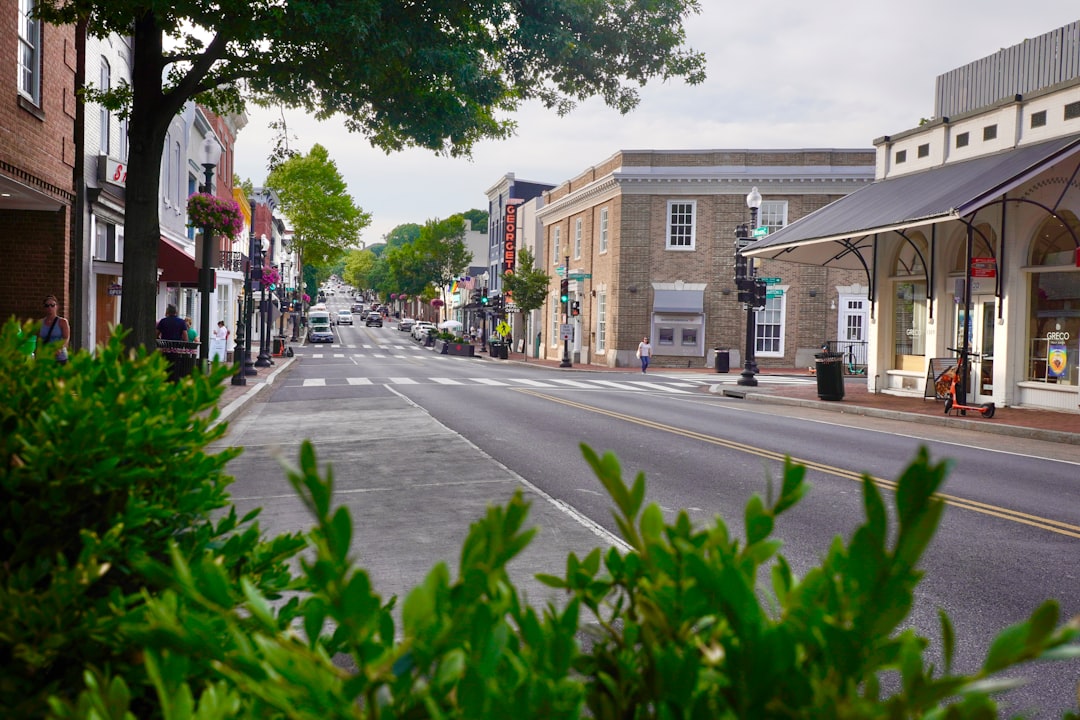 Photo by Brett Wharton on Unsplash
Georgetown
The oldest neighborhood in DC predates the city itself. Georgetown is a showcase of Federal-era and Victorian architecture, with brick townhouses lining cobblestone streets. Wisconsin Avenue and M Street NW form the commercial spine — lined with independent boutiques, upscale restaurants, and the beloved Georgetown Cupcake. Walk down to the Georgetown Waterfront Park along the Potomac for views of the Key Bridge and kayak rentals in summer.
Dupont Circle
Dupont Circle is DC's most cosmopolitan neighborhood — bookshops, gallery rows, the Phillips Collection (one of America's finest private art museums), and an excellent Sunday farmers' market at the center circle. It's also home to the city's LGBTQ+ community hub and some of DC's best cocktail bars.
The Wharf & Southwest DC
Completely redeveloped in 2017, The Wharf is now one of the hottest destinations in DC. A mile of renovated waterfront along the Potomac channel is packed with restaurants, rooftop bars, live music venues, and a marina. It's the best place in the city for an evening out — the seafood is exceptional and the sunset views over the water are stunning.
Adams Morgan
DC's most eclectic neighborhood mixes Ethiopian restaurants (more per capita than almost anywhere outside Addis Ababa), vintage shops, Latin music bars, and dive bars on 18th Street NW. The Sunday afternoon scene here is unmissable — sidewalk tables, street performers, and the best injera you'll eat outside East Africa.
U Street Corridor & Shaw
Once the "Black Broadway" of the 1920s and 1930s, the U Street corridor is where jazz legends Duke Ellington and Pearl Bailey got their start. Today it's a vibrant mix of music venues, artisan coffee shops, and some of the city's best cocktail bars. Ben's Chili Bowl on U Street has been serving its famous half-smokes since 1958 — it's a DC institution that no visitor should skip.
What to Eat in Washington DC — The Signature Food Scene
DC's food culture is far more interesting than its reputation suggests. The city's large Ethiopian, Eritrean, and Salvadoran communities have shaped a dining scene that goes well beyond the usual American staples. Meanwhile, the Mid-Atlantic seafood tradition — blue crabs, Chesapeake oysters, rockfish — adds a regional identity you won't find in Miami's tropical cuisine or New Orleans' Creole cooking.
| Dish / Experience | Where to Find It | Approx. Price |
|---|---|---|
| Half-smoke (spiced sausage) | Ben's Chili Bowl, U Street | $8–12 |
| Injera platter (Ethiopian) | Ethiopic, H Street NE | $20–35 |
| Chesapeake blue crab | The Salt Line, Navy Yard | $35–60 |
| DC-style mumbo sauce wings | Various carry-outs, NE DC | $8–15 |
| Old Bay shrimp & oysters | Hank's Oyster Bar | $25–50 |
| Jumbo slice pizza (late night) | Pizza Mart, Adams Morgan | $4–6 |
DC's signature food is the half-smoke — a spiced beef-and-pork sausage, slightly larger than a standard hot dog, served on a steamed bun with mustard, onions, and chili. Ben's Chili Bowl is the canonical destination, having served them to everyone from Barack Obama to Beyoncé.
Outdoor Activities & Green Spaces in DC
Washington DC is greener than most visitors expect. Beyond the National Mall, the city offers genuine outdoor escapes:
- Rock Creek Park: 1,700 acres of forested parkland within the city limits, with 32 miles of hiking trails, a nature center, and a historic mill. Cyclists can access car-free sections on weekends.
- Theodore Roosevelt Island: A 91-acre wilderness island in the Potomac River, accessible only by footbridge, with 2.5 miles of trails and a 17-foot memorial statue of TR.
- C&O Canal Towpath: A 184.5-mile trail from Georgetown to Cumberland, MD. Even a short walk or bike ride along the historic canal is a lovely alternative to the Mall crowds.
- Kayaking & Paddleboarding: Multiple operators around the Tidal Basin, Georgetown waterfront, and The Wharf offer rentals by the hour, typically $20–35/hour.
- National Arboretum: 446 acres of display gardens, the ancient Bonsai Collection (including trees that survived Hiroshima), and the beloved Capitol Columns — 22 original Corinthian columns from the U.S. Capitol, arranged dramatically in an open meadow.
Day Trips from Washington DC
DC's central East Coast location makes it an ideal base for regional exploration.
| Destination | Distance | Travel Time | Highlight |
|---|---|---|---|
| Annapolis, MD | 32 miles | 45 min drive | Historic colonial capital, Chesapeake seafood |
| Shenandoah National Park, VA | 75 miles | 1.5 hrs drive | Skyline Drive, Appalachian Trail hiking |
| Gettysburg, PA | 80 miles | 1.5 hrs drive | Civil War battlefield, museums |
| Harpers Ferry, WV | 65 miles | 1.25 hrs drive | Historic Civil War town, river rafting |
| Philadelphia, PA | 140 miles | 2.5 hrs (Amtrak) | Liberty Bell, Old City, incredible food |
| Mount Vernon, VA | 16 miles | 30 min drive | George Washington's estate and museum |
Mount Vernon is the most popular day trip — Washington's 8,000-acre plantation on the Potomac is beautifully preserved and surprisingly moving. Arrive early on weekends.
Practical Tips for Visiting Washington DC in 2026
Best Time to Visit
Spring (late March–May) is peak season — cherry blossoms draw massive crowds in late March/early April (book accommodation months ahead), but the weather is perfect and the city is alive. Fall (September–November) is arguably even better: warm days, fewer crowds, and gorgeous foliage. Summer (June–August) is hot and humid, with school-group crowds at the museums; early mornings are manageable. Winter is cold but beautifully uncrowded — a great time for monument visits without the queues.
How Many Days Do You Need?
2 days minimum to cover the National Mall and a couple of Smithsonians. 3–4 days lets you explore the monuments by night, dive deeper into two or three museums, and walk at least two neighborhoods. 5–7 days is ideal for a comprehensive first visit, including a day trip and unhurried meals. DC rewards slow travel — the more time you give it, the more it gives back.
Getting Around DC
The DC Metro (subway) is clean, safe, and connects all major attractions. A SmarTrip card is the easiest way to pay. The system runs from 5 am to midnight (later on weekends). Many core attractions on the National Mall are within a 10–15 minute walk of each other, making the city unusually walkable. Bikeshare (Capital Bikeshare) is excellent for covering more ground. Rideshare (Uber/Lyft) is reliable throughout.
Budget Tips for Washington DC
Washington DC is one of the most budget-friendly major cities in the US for a traveler who plans ahead:
- All Smithsonian museums: free
- National Mall & monuments: free (Washington Monument timed ticket: $1 reservation fee)
- The People's House: free (reserve online)
- U.S. Capitol tours: free (book through your Representative)
- Rock Creek Park, Theodore Roosevelt Island: free
- Average restaurant meal: $18–35 (budget spots: $10–15)
- Accommodation: $150–300/night for mid-range hotels; cheaper in nearby Arlington, VA or Silver Spring, MD
Hidden Gems & Underrated Things to Do in DC
Even experienced DC visitors overlook these:
- Freer & Sackler Galleries: The Smithsonian's Asian art museums, connected by an underground corridor. Often empty — and breathtakingly serene.
- The Capitol Columns at the National Arboretum: Arguably the most dramatic photo spot in DC that most tourists never see.
- Eastern Market (Capitol Hill): The oldest continuously operating market in DC, open since 1873. Saturday morning is perfect — fresh produce, local crafts, incredible food stalls.
- The Exorcist Steps (Georgetown): The 75 stone steps on M Street made famous by the 1973 horror film. A quirky Georgetown landmark that's genuinely atmospheric at dusk.
- National Building Museum's Great Hall: One of the largest interior spaces in America — the Roman-inspired Great Hall is free to enter and jaw-dropping.
- Hillwood Estate: The private mansion and museum of heiress Marjorie Merriweather Post, filled with the finest collection of Russian Imperial art outside Russia. Rarely crowded and utterly extraordinary.
- Kenilworth Aquatic Gardens: The only national park dedicated to water plants, with 12 acres of ponds covered in lotus and water lilies. Spectacular in July.
FAQ — Washington DC Visitor Questions Answered
What is the number one thing to do in Washington DC? The National Mall is the essential starting point — specifically the circuit from the Lincoln Memorial to the Capitol, taking in the Washington Monument and the war memorials along the way. If you only have a few hours, this walk alone will make your visit worthwhile.
What should you not miss when visiting Washington DC? Beyond the Mall: the National Museum of African American History and Culture (book tickets in advance), the People's House, a neighborhood stroll through Georgetown or Dupont Circle, a meal at Ben's Chili Bowl, and — if timing allows — the monuments by night. The Library of Congress Reading Room is one of the most beautiful rooms in America and is chronically undervisited.
Is 2 days enough for Washington DC? Two days is enough to see the highlights, but you'll be moving quickly. With 2 days, prioritize: Day 1 — National Mall monuments (morning) + one or two Smithsonian museums (afternoon); Day 2 — Capitol Hill area (Capitol Building, Library of Congress, Eastern Market) + one neighborhood for dinner and drinks. For a more relaxed experience, plan for at least 3–4 days.
What is Washington DC's signature food? The half-smoke — a spiced beef-and-pork sausage served with chili and onions, invented at Ben's Chili Bowl on U Street. Beyond that, DC is famous for its Chesapeake blue crab (in season May–October), Ethiopian injera platters (Adams Morgan has the highest concentration of Ethiopian restaurants outside Addis Ababa), and mumbo sauce — a tangy, sweet-spicy condiment unique to DC that's drizzled on everything from wings to Chinese carry-out.
Is Washington DC expensive to visit? Less than you'd expect. The museums, monuments, and most major attractions are free. Accommodation runs $150–300/night for decent mid-range hotels, though you can find good value in adjacent Virginia and Maryland suburbs with Metro access. Food costs are similar to other major US cities — plan $50–75/day per person for meals if you mix sit-down restaurants with casual spots.
When do the cherry blossoms bloom in Washington DC? Peak bloom typically falls between late March and mid-April, usually around April 4–11 (though it varies year to year by 2–3 weeks depending on winter temperatures). The National Park Service tracks bloom predictions on their website from January. Visit during this window for DC's most iconic visual spectacle — the Tidal Basin ringed in pink — but book accommodation many months ahead.
Plan Your Next US City Adventure
Washington DC is one of those cities that rewards every type of traveler: history buffs, museum-goers, foodies, architecture lovers, and outdoor enthusiasts all find their version of it here. And with free world-class museums, spectacular public monuments, and walkable neighborhoods packed with character, it delivers an extraordinary experience for a relatively modest budget.
If you're building an East Coast itinerary, DC pairs beautifully with a few days in New York City or a stop in Nashville for a different kind of American experience. And if you're planning a broader US road trip, check out our complete guides to Los Angeles and San Francisco for the West Coast.
Ready to start planning? Use Spotli.st to organize your DC itinerary, save your must-visit spots, and share your travel list with friends — all in one place.
Envie de créer ta propre liste de spots ?
Rejoins Spotli.st et partage tes bonnes adresses avec le monde entier.
Créer mon compte gratuit