Where to Eat in Miami: Cuban Food, Fresh Seafood & the Best Restaurants by Neighborhood
Discover where to eat in Miami with our neighborhood-by-neighborhood guide — from Little Havana's Cuban classics to South Beach seafood and Wynwood's creative kitchens.
Where to Eat in Miami: Cuban Food, Fresh Seafood & the Best Restaurants by Neighborhood
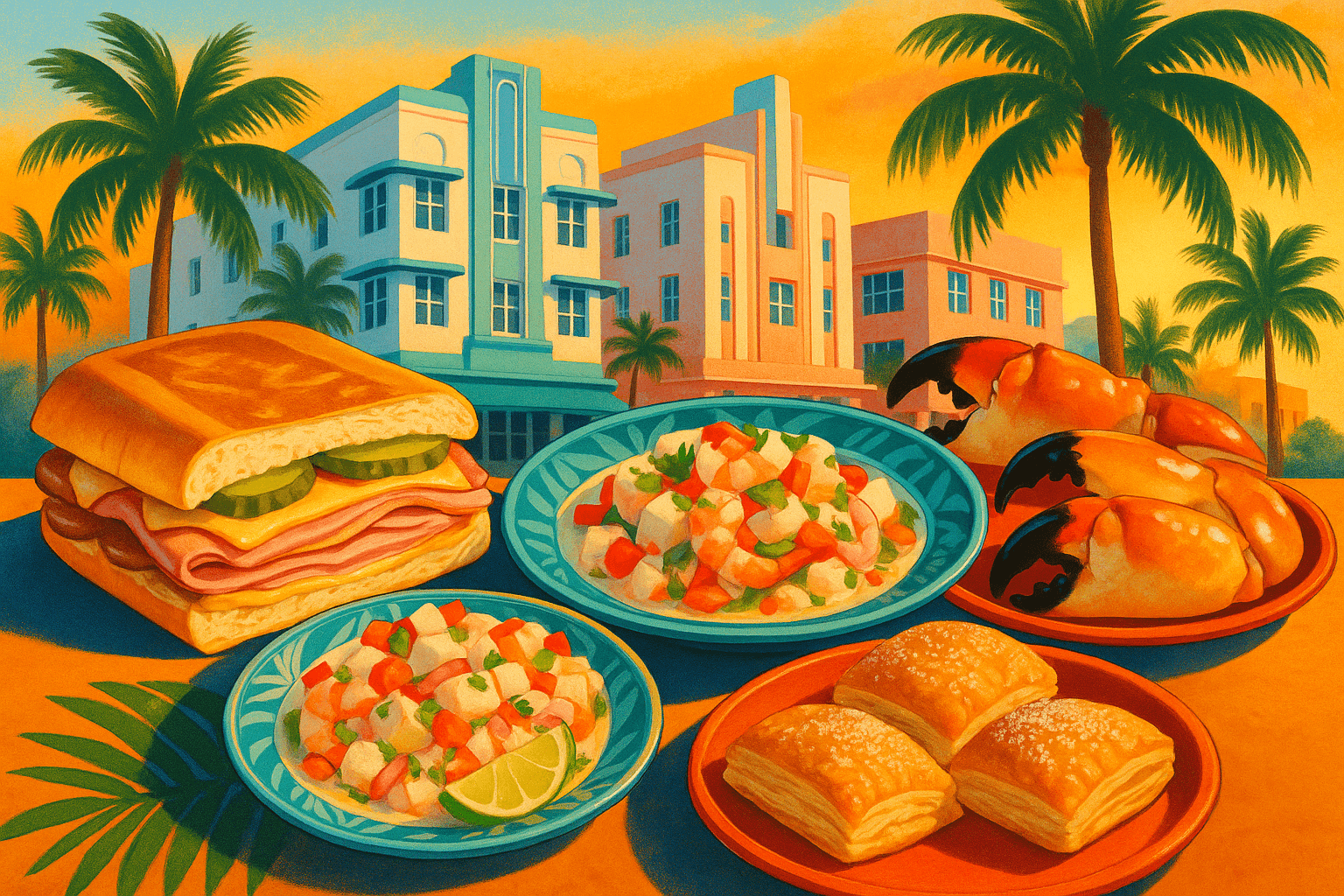
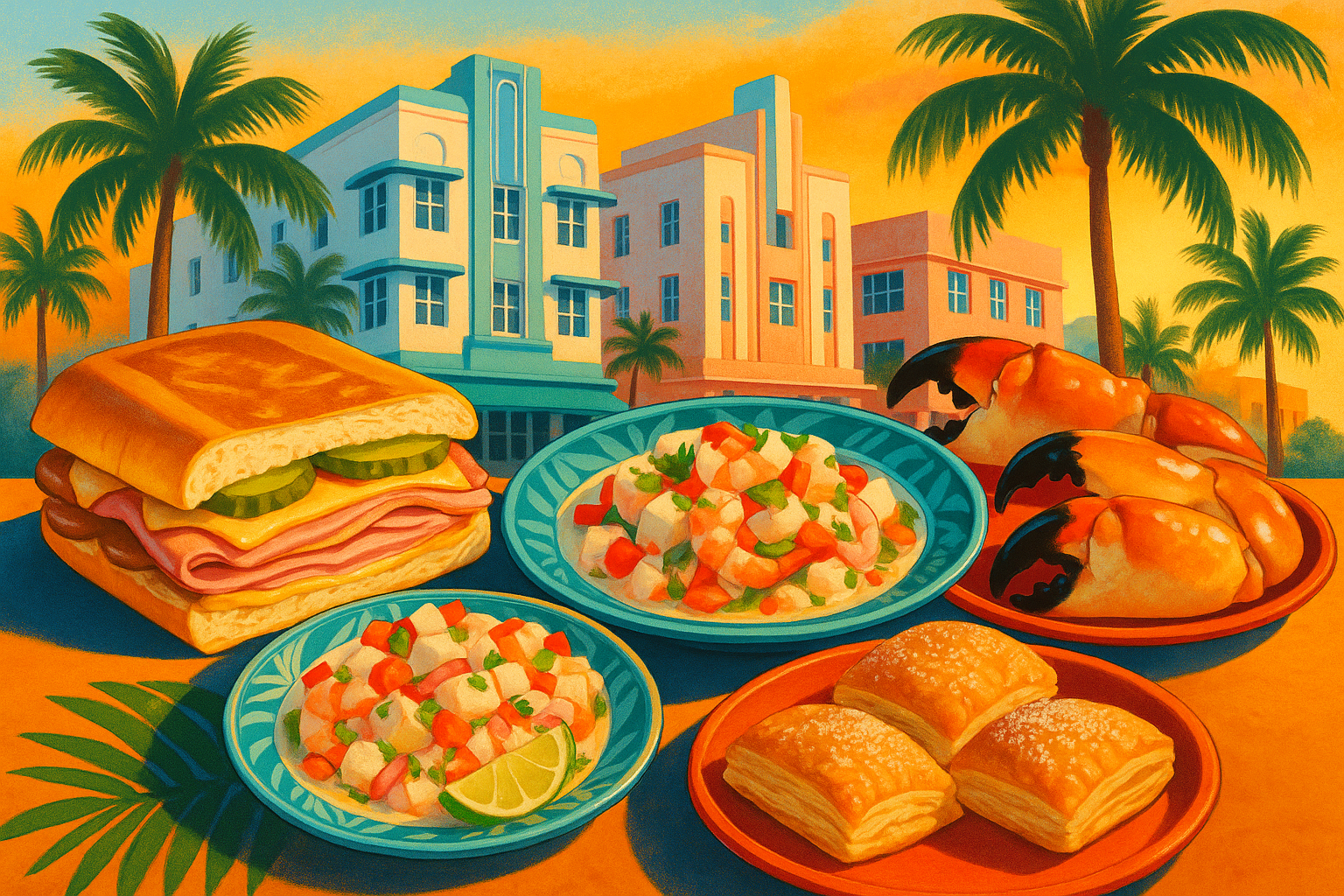
Miami doesn't just have a food scene — it has a food identity. This is a city where you can start your morning with a cafecito and a pastelito at a walk-up window in Little Havana, eat stone crab claws overlooking the Atlantic by lunch, and end the night over a chef's tasting menu in Wynwood that rivals anything in New York or Los Angeles.
The question "where to eat in Miami" isn't just about picking restaurants — it's about understanding the neighborhoods, knowing which dishes define the city, and navigating a dining landscape that changes faster than a Miami sunset.
This guide breaks down exactly where to eat in Miami, organized by neighborhood and anchored in the city's culinary DNA: Cuban soul food, impossibly fresh seafood, and a new wave of creative kitchens that have earned Miami its Michelin stars. Whether you're planning a full Miami itinerary or just hunting for one unforgettable meal, here's your roadmap.
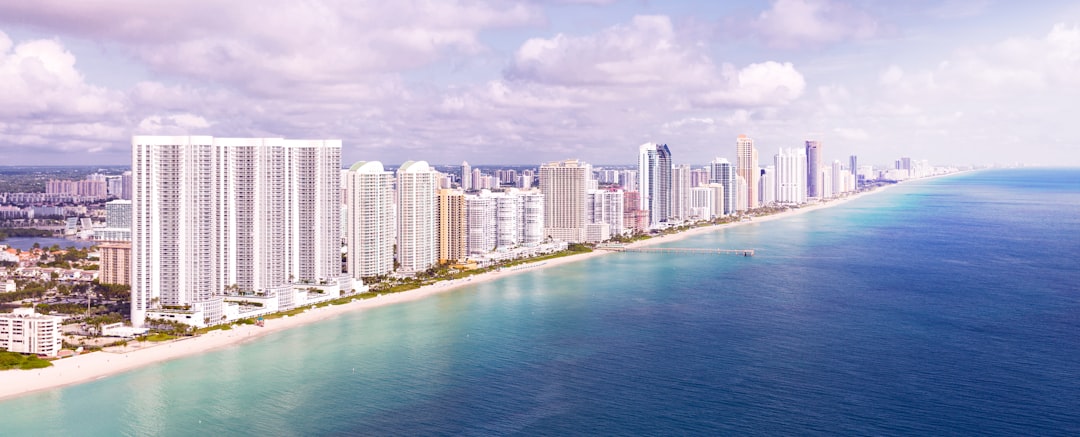 Photo by Ryan Parker on Unsplash
Miami's Food DNA: Three Forces That Shape Every Plate
Before you pick a restaurant, it helps to understand what you're actually eating — and why Miami tastes like nowhere else in the United States.
The Cuban Foundation. Miami is home to the largest Cuban-American population in the country, and Cuban cuisine is the city's culinary heartbeat. This means roast pork marinated in mojo (garlic-citrus sauce), black beans simmered for hours, fried plantains at every meal, and the sacred ritual of the cafecito — a shot of sweet, intense Cuban espresso that fuels the entire city. The Cuban sandwich, pressed golden and stuffed with roast pork, ham, Swiss cheese, pickles, and mustard, is Miami's unofficial food mascot.
The Seafood Bounty. Wedged between the Atlantic Ocean, Biscayne Bay, and the Gulf Stream, Miami sits at the intersection of some of the richest fishing waters in the Americas. Stone crab claws — harvested from October through May — are the city's luxury seafood calling card, served chilled with mustard sauce. But the real day-to-day seafood scene runs deeper: whole fried snapper, mahi-mahi sandwiches, ceviche from Miami's Peruvian and Ecuadorian communities, and oysters shucked fresh at raw bars across the city.
The New Wave. In the last decade, Miami has transformed from a restaurant city that coasted on location and scene into a genuinely ambitious dining destination. The Michelin Guide arrived in 2022 and now covers dozens of starred and Bib Gourmand restaurants. Chef-driven spots in Wynwood, the Design District, and Little River are pushing boundaries — blending Latin ingredients with Japanese precision, reimagining Caribbean comfort food, and building tasting menus that rival any American city.
These three forces — Cuban tradition, seafood abundance, and creative ambition — show up in every neighborhood. But each area has its own flavor.
Little Havana: Where Every Meal Tells a Story
If you eat in only one Miami neighborhood, make it Little Havana. This is the city's cultural and culinary soul, centered along Southwest 8th Street — better known as Calle Ocho.
Where to go:
Versailles Restaurant (3555 SW 8th St) is not just a restaurant — it's a Miami institution. The enormous dining room, with its mirrored walls and chandeliers, has been serving Cuban classics since 1971. Order the ropa vieja (shredded beef stewed in tomato and peppers), the lechón asado (roast pork with mojo), or the vaca frita (crispy shredded beef). Come for the food, stay for the people-watching: Versailles doubles as a de facto community center where political debates, family celebrations, and endless cafecitos flow in equal measure.
La Carreta (3632 SW 8th St) is Versailles' slightly more casual sibling, and its ventanita (walk-up window) is a rite of passage. Order a cafecito for about $1.50 and a pastelito de guayaba (flaky guava pastry), and you'll understand why locals stop here multiple times a day.
Sanguich de Miami (2057 SW 8th St) has turned the Cuban sandwich into an art form. Their house-cured ham, slow-roasted pork, and perfectly pressed Cuban bread have earned national recognition — this is widely considered the best Cuban sandwich in the city.
For something deeper: El Nuevo Siglo (1305 SW 8th St) is a Cuban supermarket with a hot-food counter that serves cafeteria-style meals for under $10 — think picadillo (seasoned ground beef), arroz con pollo, and the best croquetas (ham croquettes) you'll find at this price point.
What to order: Cuban sandwich, ropa vieja, croquetas, maduros (sweet fried plantains), tres leches cake, cafecito.
South Beach: Seafood, Scene & Stone Crab Legends
South Beach's reputation as a party-first destination has historically overshadowed its dining — but that's changing fast. The best restaurants in Miami Beach now include everything from century-old seafood institutions to ambitious Italian and Japanese spots that book out weeks in advance.
Where to go:
Joe's Stone Crab (11 Washington Ave) has been serving stone crab claws since 1913, and it remains the definitive Miami dining experience. The stone crabs — served chilled with Joe's signature mustard sauce — are the headliner, but the fried chicken, hash browns, and Key lime pie are equally legendary. Important: Joe's closes from mid-May through mid-October (stone crab is out of season), and they don't take reservations — expect a wait, especially on weekends.
Macchialina (820 Alton Rd) is the Italian restaurant that locals guard jealously. The handmade pastas — particularly the cacio e pepe and the short rib ravioli — have made this a perennial favorite. The $39 three-course lunch special (weekdays) is one of the best dining deals in Miami Beach.
Boia De (5205 NE 2nd Ave) technically sits just north of South Beach in Buena Vista, but it's close enough to count — and essential enough to mention. This tiny, perpetually-booked Italian spot from chefs Luciana Giangrandi and Alex Meyer helped define Miami's new-wave dining scene. The potato skins with stracciatella and caviar, and the lamb ribs, are menu staples for a reason. Book at least three weeks in advance.
For something casual: Pura Vida (multiple locations including South Beach) serves fresh, health-focused bowls, wraps, and smoothies in a breezy all-day café format. It's the ideal antidote after a heavy night out.
What to order: Stone crab claws (in season), Key lime pie, fresh ceviche, mahi-mahi sandwich.
Wynwood & the Design District: Art on the Walls, Art on the Plate
Wynwood's transformation from warehouse district to street-art mecca is well documented — but the neighborhood's food scene has quietly become just as compelling as its murals. Just north, the Design District houses Miami's highest concentration of luxury dining, including Michelin-starred destinations.
Where to go:
Hiyakawa (2700 N Miami Ave, Wynwood) serves pristine, understated Japanese cuisine — sushi, sashimi, and cooked dishes — in a serene dining room that feels worlds away from Wynwood's chaos. The omakase is an experience worth the splurge ($150+ per person).
Zak the Baker (295 NW 26th St, Wynwood) is Miami's best bakery, period. The sourdough breads, the chocolate babka, the challah, the croissants — everything comes from a kosher bakery that supplies many of Miami's top restaurants. The café serves breakfast and lunch (the smoked salmon sandwich on rye is perfect).
L'Atelier de Joël Robuchon (151 NE 41st St, Design District) is Florida's only two-Michelin-star restaurant. The open-kitchen concept blends French technique with Japanese and Spanish influences. The tasting menu runs $245-$425 per person, but for a once-in-a-lifetime Miami meal, it's the benchmark.
COTE Miami (3900 NE 2nd Ave, Design District) is a Michelin-starred Korean steakhouse where the meats are grilled tableside. The Butcher's Feast ($75 per person) includes four cuts of dry-aged beef, an egg soufflé, kimchi stew, and more — it's extraordinary value for the quality.
For something casual: The Salty Donut (50 NW 23rd St, Wynwood) makes artisan donuts that regularly draw lines around the block. The maple bacon and guava-and-cheese donuts are local icons.
What to order: Omakase at Hiyakawa, Butcher's Feast at COTE, anything at Zak the Baker, guava-and-cheese donut at The Salty.
 Photo by The Now Time on Unsplash
Brickell & Downtown: Power Lunches & Global Flavors
Brickell is Miami's financial district, and its restaurants reflect the crowd: sleek, international, and built for both closing deals and celebrating them.
Where to go:
Tâm Tâm (100 NW 1st St, Downtown) is a Vietnamese restaurant in a former warehouse space that has become one of Miami's most exciting dining rooms. The fish sauce wings, the whole fried fish, and the funky, maximalist decor (there's a karaoke bathroom) make every meal feel like an event.
ViceVersa (398 NE 5th St, Downtown) is an aperitivo bar and pizza spot hidden inside a hotel lobby. Once you navigate past the check-in desk, you'll find beautifully executed Italian cocktails, perfect Neapolitan-style pizzas, and one of the best happy hours in Miami.
La Mar by Gastón Acurio (500 Brickell Key Dr) brings high-end Peruvian cuisine to Brickell Key with sweeping bay views. The ceviche bar, the lomo saltado, and the pisco sour program are all exceptional — and the waterfront terrace is pure Miami magic at sunset.
For something casual: El Bagel (multiple locations) started as a pop-up and exploded into Miami's undisputed bagel champion. The classic everything bagel with scallion cream cheese, and the "Rey" (bacon, egg, cheese, jalapeño, and guava jam) are worth the inevitable weekend line.
What to order: Fish sauce wings at Tâm Tâm, ceviche at La Mar, Neapolitan pizza at ViceVersa.
Coconut Grove, Coral Gables & the Southern Neighborhoods
These leafy, residential neighborhoods south of downtown have quietly accumulated some of Miami's most interesting restaurants — the kind of places where you'll find more locals than tourists.
Where to go:
Ariete (3540 Main Hwy, Coconut Grove) is chef Michael Beltran's flagship, where Cuban heritage meets contemporary American fine dining. The foie-gras-and-guava pastelito, the dry-aged duck with chalaquita, and the churrasco with bone-marrow butter are dishes you'll think about weeks later. The tasting menu ($155) is worth every dollar.
Zitz Sum (396 Alhambra Cir, Coral Gables) defies easy categorization: it's Chinese-leaning but globally inspired, with a constantly rotating menu built around dumplings, noodles, and whatever the chef is excited about that day. The xiao long bao (soup dumplings) and the mapo tofu lasagna have developed cult followings.
Gramps Getaway (3301 Rickenbacker Causeway, Key Biscayne) is the reincarnation of an old-school Miami that's increasingly hard to find. It's a casual bayside spot for smoked fish dip, cold beers, and conch fritters — no pretense, just salt air and good food.
For something casual: B&M Market and Roti Shop (219 NE 79th St, Little River) serves Guyanese and Caribbean roti, doubles, and curries from a modest bodega. The goat roti and the oxtail are transcendent, and nothing on the menu tops $15.
What to order: Tasting menu at Ariete, soup dumplings at Zitz Sum, smoked fish dip at Gramps Getaway, goat roti at B&M Market.
Must-Try Miami Dishes — and Exactly Where to Find Them
Some dishes are so essential to Miami's identity that you can't leave without trying them. Here's where to find the best version of each:
| Dish | What It Is | Best Spot |
|---|---|---|
| Cuban Sandwich | Roast pork, ham, Swiss, pickles, mustard on pressed Cuban bread | Sanguich de Miami (Little Havana) |
| Stone Crab Claws | Chilled claws served with mustard sauce (Oct–May only) | Joe's Stone Crab (South Beach) |
| Croquetas | Creamy béchamel fritters, usually ham or cheese | Versailles ventanita (Little Havana) |
| Ceviche | Fresh fish "cooked" in citrus with onion, cilantro, chili | La Mar (Brickell Key) or Barra Callao (North Miami Beach) |
| Ropa Vieja | Shredded beef stewed in tomato, peppers, and garlic | Versailles (Little Havana) |
| Key Lime Pie | Tart-sweet custard pie on graham cracker crust | Joe's Stone Crab (South Beach) |
| Frita Cubana | Cuban-spiced beef patty with shoestring potatoes on a roll | El Mago de las Fritas (Little Havana) |
| Pastelito | Flaky puff pastry filled with guava, cream cheese, or meat | La Carreta ventanita (Little Havana) |
Miami Dining on a Budget: Eat Well for Less
Miami can be expensive — but it doesn't have to be. The city's best eating often happens at its most affordable spots.
The ventanita economy. Walk-up coffee windows (ventanitas) are everywhere in Miami, and they're designed for speed, not luxury. For $3–8 total, you can get a cafecito or colada plus a pastelito, croqueta, or empanada. Versailles, La Carreta, and countless gas-station ventanitas serve this exact ritual all day long.
Food halls and markets. The Citadel (8300 NE 2nd Ave, Little River) is a food hall housed in a converted warehouse with 10+ vendors, a rooftop bar, and a courtyard. La Centrale (601 S Miami Ave, Brickell) is a three-story Italian food hall with 14 concepts. Both let you sample multiple cuisines without committing to a single expensive meal.
Happy hours that actually deliver. Miami's happy hour scene is surprisingly generous. ViceVersa (Downtown) offers discounted cocktails and pizzas from 5–7pm. Macchialina (South Beach) serves half-off wine bottles on Mondays. Zitz Sum (Coral Gables) has a $2 dumpling happy hour that's borderline legendary.
Lunch instead of dinner. Many of Miami's top restaurants — including Macchialina, Boia De, and Ariete — serve lunch or weekend brunch menus at significantly lower prices than their dinner offerings. The same kitchen, the same quality, often at 40–50% less.
Practical Tips for Eating Your Way Through Miami
Reservations are not optional at the top spots. Boia De, Ariete, Hiyakawa, and COTE regularly book out 2–4 weeks in advance. Use Resy or OpenTable and set notifications for cancellations if you're flexible. For walk-in-only spots like Joe's Stone Crab, arrive 30 minutes before opening.
Stone crab season runs October through May. If you're visiting in summer (June–September), stone crab won't be on menus. The good news: summer is peak season for mangoes, avocados, and Florida lobster (spiny lobster, no claws, sweeter meat).
Miami runs on Latin time. Lunch tends to start at noon and peak at 1:30pm. Dinner reservations at 8pm or 9pm are standard — arriving at 6:30pm will land you in an empty dining room (which can be strategic if you want a quiet experience). Many restaurants, especially in Little Havana and Brickell, stay open until midnight or later.
Transportation between neighborhoods matters. Miami's dining neighborhoods are spread across 20+ miles. Little Havana to South Beach is a 20-minute drive without traffic (and traffic is always a variable). If you're planning to eat and drink across multiple neighborhoods, budget for rideshares or designate a driver. Parking in Miami varies from free and easy (suburban spots) to valet-only ($15–$25, South Beach and Brickell).
Tipping is 18–22%. Miami restaurant service is generally excellent, and 20% is the standard expectation at full-service restaurants. At ventanitas and casual counter-service spots, $1–2 in the tip jar is appreciated.
Frequently Asked Questions
What's the best neighborhood for food in Miami?
There's no single answer — it depends on what you want. Little Havana is best for Cuban food and cultural immersion. South Beach is best for seafood icons and oceanfront dining. Wynwood and the Design District are best for creative, chef-driven restaurants and Michelin-starred experiences. Brickell is best for upscale international dining and business meals. The good news: Miami's compact enough that you can hit two or three neighborhoods in a single day.
Do I need reservations for Miami restaurants?
For top-tier restaurants (Boia De, Ariete, COTE, Hiyakawa, L'Atelier, Macchialina) — yes, absolutely, often 2–4 weeks in advance. For casual spots, ventanitas, and food halls, no reservation is needed. Joe's Stone Crab famously doesn't take reservations and operates on a first-come, first-served basis.
When is stone crab season in Florida?
Stone crab season runs from October 15 through May 1. Outside this window, stone crab is not commercially harvested in Florida. If you see "stone crab" on a menu in summer, it's either frozen or mislabeled.
Is Miami expensive for food?
It can be — but doesn't have to be. You can eat extraordinarily well in Miami for under $20 per meal by sticking to ventanitas, Cuban cafeterias, food halls, and happy hours. A full dinner at a top-tier restaurant with drinks will typically run $80–$150 per person. Budget-conscious travelers should mix and match: splurge on one or two big meals and fill in with affordable Cuban and Caribbean spots.
What's the best time of year to visit Miami for food?
October through April is ideal: stone crab is in season, the weather is comfortable for outdoor dining, and the city hosts major food events including the South Beach Wine & Food Festival (February). Summer (June–September) brings mango and avocado season plus Florida lobster, but be prepared for heat, humidity, and afternoon thunderstorms.
Miami's food scene rewards curiosity. The best meal of your trip might be a $4 cafecito and pastelito eaten standing at a ventanita counter, or it might be a $200 chef's tasting menu in a Design District dining room. The point is that both exist — often within a 20-minute drive of each other — and both tell you something real about this city.
So skip the hotel restaurant. Walk into a Little Havana cafeteria where the menu is entirely in Spanish. Order the thing you can't pronounce. Grab an extra cafecito while you're at it. That's how Miami eats.
Envie de créer ta propre liste de spots ?
Rejoins Spotli.st et partage tes bonnes adresses avec le monde entier.
Créer mon compte gratuit