Route 66 Road Trip: The Complete 2026 Guide to Stops, Maps & Costs
Plan the ultimate Route 66 road trip in 2026: the best stops state by state, real costs, how long it takes, and the maps and planning tips that work.
The Route 66 road trip is the single most iconic drive in America — and 2026 is the best year in a century to do it. That's because Route 66, the "Mother Road" that stretches 2,448 miles (3,940 km) from Chicago to Santa Monica, turns 100 years old this year.
Here's the short version of everything you need to know before you go: plan two to three weeks, budget roughly $2,000–$4,500 per person depending on your style, and drive westbound from Chicago if you want to follow the classic Dust Bowl migration route. Below, you'll find the route broken down state by state, a realistic budget, the best time to go, and the planning tools that actually work.
Route 66 at a Glance: The Numbers That Matter
Before you book anything, get these figures straight — they shape every other decision on your Route 66 road trip.
| State | Miles | Can't-Miss Stop |
|---|---|---|
| Illinois | 301 | Chicago start sign, Pontiac murals |
| Missouri | 317 | Gateway Arch, Meramec Caverns |
| Kansas | 13 | Cars on the Route (Galena) |
| Oklahoma | 432 | Blue Whale of Catoosa, Tulsa |
| Texas | 186 | Cadillac Ranch, U-Drop Inn |
| New Mexico | 487 | Tucumcari neon, Santa Fe detour |
| Arizona | 401 | Petrified Forest, Seligman |
| California | 314 | Amboy, Santa Monica Pier |
A few fast facts worth internalizing:
- Total distance: 2,448 miles on the historic (1926) alignment — expect to drive 2,600–2,800 miles once you add detours and wrong turns.
- States crossed: 8 (plus the District of Columbia–free route — it never touches Nevada).
- Time zones: 3 (Central, Mountain, Pacific).
- Pace: 10 days is the rushed minimum; 14–21 days is the sweet spot.
Route 66 was commissioned on November 11, 1926, and became the first U.S. highway to be fully paved in 1938. Today more than 250 sites along the road — motels, bridges, diners and old alignments — are listed on the National Register of Historic Places. You're not just driving; you're driving through a linear museum.
Why 2026 Is the Best Year to Drive the Mother Road
If you've been putting this trip off, stop. 2026 marks the Route 66 Centennial — 100 years since the route's commissioning in 1926 — and every state along the corridor is rolling out special events, restored attractions and anniversary tours.
What the Centennial means for your trip in practice:
- Special events: communities from Illinois to California are hosting centennial festivals, car shows and commemorations throughout the year.
- Restoration momentum: grant-funded preservation has spruced up classic motels, neon signs and historic bridges that had been fading for decades.
- More traffic — for better and worse: the anniversary will draw more enthusiasts, so book the famous motels (like the Wigwam Motel in Holbrook, Arizona) further in advance than usual.
The takeaway is simple: the road is in the best shape it's been in decades, and there's a once-a-century energy around it. If you only ever drive Route 66 once, this is the year.
How Long Does a Route 66 Road Trip Take?
A comfortable Route 66 road trip takes 2 weeks (14 days) at roughly 170–180 miles of driving per day. Ten days is the minimum if you're disciplined about stopping; three weeks is ideal if you want to linger in cities like Chicago, Santa Fe and Flagstaff.
Here's how the math works: pure driving time at 55–65 mph is only about 40–45 hours of seat time. But Route 66 was never about the destination — it's about the stopping. Realistically, you'll want:
- 7 days: possible, but brutal — you'll drive past almost everything worth seeing.
- 10 days: doable if you pre-pick your stops and keep hotel check-ins efficient.
- 14 days: the sweet spot for first-timers. Enough time for the iconic stops plus one or two detours.
- 21 days: the relaxed version, with time for Santa Fe, the Grand Canyon, and multi-night city stays.
Which direction? Go westbound (Chicago → Los Angeles). The signage, the guidebooks, and the historical narrative (Dust Bowl migrants fleeing the 1930s drought, later travelers chasing California's promise) all flow west. You'll also put the afternoon sun behind you rather than in your eyes for the long desert stretches across Arizona and California.
When to Go: The Best Months for a Route 66 Road Trip
The best windows for a Route 66 road trip are spring (April–early June) and fall (September–October). Both offer moderate temperatures across the desert Southwest and lighter crowds than midsummer.
- Spring (April–June): mild weather, blooming landscapes, and the classic "new beginning" energy of the road. Watch for late-season storms in the Plains.
- Fall (September–October): arguably the best — crisp air, golden light for photography, and fewer families than summer.
- Summer (July–August): the desert stretch through Arizona, New Mexico and the Mojave routinely tops 100°F (38°C). It's survivable in an air-conditioned car but exhausting, and monsoon storms can pop up in the Southwest.
- Winter (November–March): the southern half is often fine, but northern New Mexico, Flagstaff and the higher elevations of Arizona can see snow and ice. If you ride a motorcycle, winter is a no-go.
For more seasonal inspiration on where to be in the U.S. during fall, see our guide to the best US cities to visit in fall.
Planning Your Route: Maps, Apps & Navigation That Actually Work
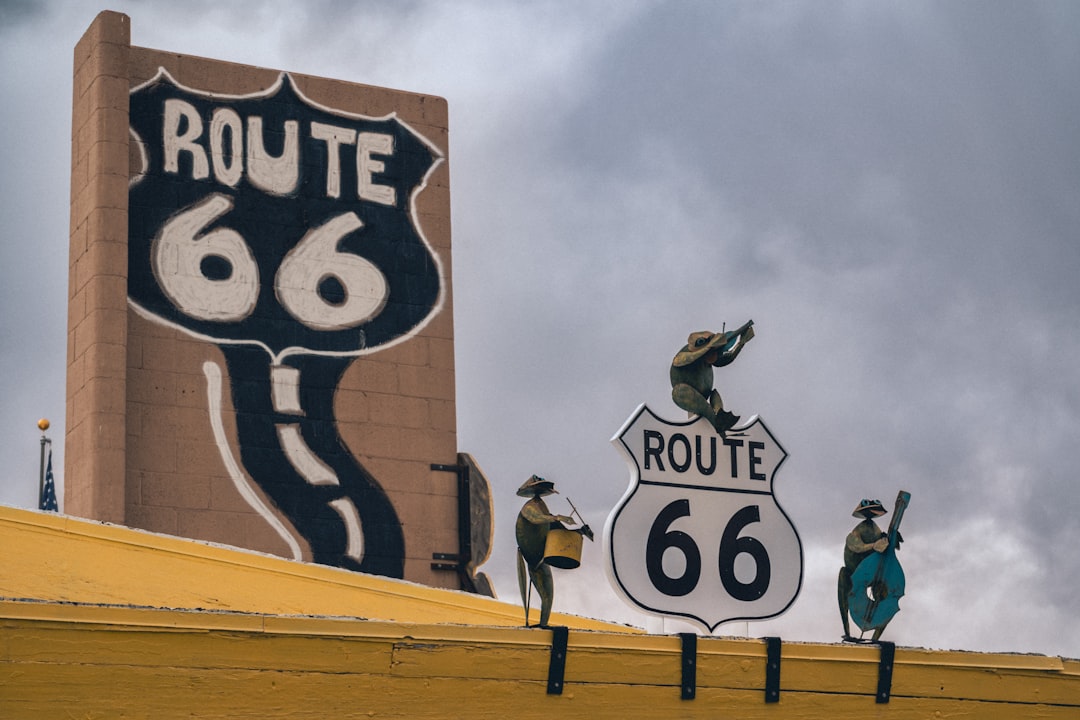
The biggest planning mistake first-timers make? Typing "Los Angeles" into Google Maps and hitting start. The interstate is not Route 66. The Mother Road is a patchwork of old alignments, frontage roads and dead-end segments, so you need dedicated tools:
- Turn-by-turn GPS apps: dedicated apps like Route 66 Navigation follow the historic alignment with points of interest flagged, so you don't accidentally merge onto I-40 and skip the good stuff.
- Detailed paper/PDF maps: state tourism offices publish free Route 66 maps with the old alignments marked. Keep one offline — cell signal is patchy across long stretches of Texas, New Mexico and Arizona.
- Community resources: the r/route66 subreddit and road-trip forums are gold for recent road-closure and motel-status updates.
The "route" you follow today is actually a series of overlapping alignments that shifted over the decades as better pavement was laid. That's a feature, not a bug — the fun is in choosing which old strip of asphalt to ride. For the broader mechanics of building the trip — car prep, packing, budgeting — our complete guide to planning a US road trip walks through every step.
The Iconic Stops, State by State
Here's the "greatest hits" of Route 66, organized in the order you'll hit them heading west. You don't need to stop at everything — pick your must-sees and let the rest be happy accidents.
Illinois — 301 miles
Your journey starts at the Route 66 "Begin" sign on Adams Street in downtown Chicago, a few steps from Michigan Avenue. Heading southwest, don't miss the Gemini Giant muffler-man statue in Wilmington and the mural-covered town of Pontiac, home to a superb Route 66 museum. In Springfield, grab a corn dog at the Cozy Dog Drive-In, which claims to have invented the corn dog in the 1940s.
Missouri — 317 miles
St. Louis gives you the Gateway Arch and a true city stop before the road turns rural. Further west, Meramec Caverns near Stanton is one of the oldest roadside attractions on the route — the painted barn billboards have been luring drivers in for nearly a century. Overnight at the beloved Munger Moss Motel in Lebanon for a perfect slice of mid-century neon.
Kansas — 13 miles
Kansas gets the shortest stretch of any state — just 13 miles in the far southeastern corner. But those 13 miles pack a punch: Cars on the Route in Galena, an old gas station where the tow truck that inspired "Mater" in Pixar's Cars lives, is one of the most photographed stops on the entire road.
Oklahoma — 432 miles
Oklahoma owns the longest stretch, and it's the heart of the "roadside America" experience. The Blue Whale of Catoosa is the quirky icon everyone photographs; Tulsa and Oklahoma City reward a night each with strong food and music scenes. Just east of OKC in Arcadia, snap the Round Barn and the giant soda-bottle sign at Pops. End the state at the National Route 66 Museum in Elk City.
Texas — 186 miles
Texas is short but legendary. In Amarillo, two stops are non-negotiable: Cadillac Ranch, the half-buried row of spray-painted Cadillacs, and the Big Texan Steak Ranch, home of the free 72-ounce steak challenge. The art-deco U-Drop Inn in Shamrock and the Midpoint Café in Adrian (the geographic halfway point of Route 66) round out the state.
New Mexico — 487 miles
New Mexico is the longest single stretch and, for many, the most beautiful. Tucumcari is the neon capital of the road — stay at the Blue Swallow Motel and walk the sign-lit strip at night. Santa Fe is a worthwhile detour north for adobe architecture and green-chile everything; Albuquerque is the natural overnight hub. As you head west, Grants offers the "arch" selfie spot and Gallup is the last real Route 66 town before the Arizona line.
Arizona — 401 miles
Arizona is the stretch where the desert gets cinematic. Drive through Petrified Forest National Park (the road passes right through it), see the Wigwam Motel teepees in Holbrook, and stand "on the corner" in Winslow, immortalized by the Eagles. Flagstaff is the perfect base for a Grand Canyon detour, while Seligman and Kingman preserve the road's mid-century vibe — Seligman's retro storefronts inspired the town of Radiator Springs in Cars. Near Kingman, Oatman is a living ghost town where wild burros wander the street.
California — 314 miles
The final stretch crosses the Mojave Desert. Roy's Motel and Café in Amboy is the iconic mid-century gas stop, and Barstow is the last major Route 66 hub. Push through Victorville and San Bernardino and you'll end at the Santa Monica Pier, where the "End of the Trail" sign marks your finish — dip your toes in the Pacific and you're done.
What a Route 66 Road Trip Costs in 2026
Budget roughly $2,000–$2,500 for a no-frills solo trip and $3,500–$4,500 per person for a comfortable two-week trip with nicer hotels and meals. Here's the honest math for a 14-night, 2,600-mile drive:
| Expense | Budget style | Comfortable style |
|---|---|---|
| Gas (~2,600 mi ÷ 24 mpg × $3.60/gal) | ~$400 | ~$450 |
| Lodging (14 nights) | $70–90/night motels ≈ $1,000–1,260 | $120–180/night ≈ $1,700–2,500 |
| Food | $40/day ≈ $560 | $70/day ≈ $980 |
| Attractions & entry fees | $100–150 | $200–300 |
| Total (per person, roughly) | ~$2,100–2,400 | ~$3,300–4,250 |
Three tips to keep it affordable without missing the fun:
- Book the famous motels early, everything else day-of. The Wigwam Motel and Blue Swallow sell out in peak season, but most small-town motels have plenty of same-day availability.
- Split gas and lodging. This is the ultimate two-person road trip — a second traveler nearly halves your per-person cost.
- Use a national park pass if you detour. If you're adding the Grand Canyon and Petrified Forest, an annual pass pays for itself quickly — our guide to visiting US national parks on a budget breaks down the passes and fee-free days.
What to Drive: Car, RV or Motorcycle?
A reliable, comfortable car is the best choice for most people — you don't need an SUV or a classic car to "do" Route 66. The road is almost entirely paved, and the historic alignment favors whatever handles smoothly over hundreds of miles.
- Standard car or sedan: ideal. Good fuel economy, easy parking at vintage motels, and comfortable over the long hauls.
- Classic car or convertible: the romantic choice. Rent one for a segment (like the Arizona–California stretch) if a full classic rental stretches your budget — just budget for fuel and a chase vehicle's worth of patience with mechanical quirks.
- RV or campervan: great if you're camping, but be aware some old alignments and low overpasses are tight. Many classic motels have parking that won't fit a big rig.
- Motorcycle: Route 66 is a bucket-list ride, but it's a warm-weather-only pursuit — the desert heat in summer and mountain cold in winter make spring and fall the only sane windows.
Where to Stay: Classic Motels & Kitschy Lodging
Half the experience of Route 66 is sleeping where travelers slept in the 1950s. The road's iconic stays are concentrated in a few places — book these ahead:
- Blue Swallow Motel, Tucumcari, NM — the neon queen of the route; rooms fill months in advance.
- Wigwam Motel, Holbrook, AZ — sleep in a concrete teepee, straight out of Cars.
- Munger Moss Motel, Lebanon, MO — family-run since the 1940s with a legendary neon sign.
- El Rancho Hotel, Gallup, NM — old-Hollywood lodging where movie stars bunked during Western film shoots.
Outside these legends, most small-town motels are clean, cheap and walkable to a diner — which is exactly the point.
Where to Eat Along Route 66
Route 66 cuisine is diner food done right: burgers, pie, barbecue and regional specials. A few landmarks worth planning around:
- Lou Mitchell's, Chicago — the classic breakfast kickoff near the route's start.
- Cozy Dog Drive-In, Springfield, IL — the (disputed) birthplace of the corn dog.
- Big Texan Steak Ranch, Amarillo, TX — the 72-ounce steak challenge.
- Midpoint Café, Adrian, TX — the halfway-point "ugly crust" pie.
- Delgadillo's Snow Cap Drive-In, Seligman, AZ — order a "dead chicken" and see what happens.
Even when a place is just a gas station with a grill, lean in — the mom-and-pop stops are the whole reason the road earned its "Main Street of America" nickname.
Detours Worth Taking
Route 66 rewards wandering. Three detours are worth the extra miles:
- The Grand Canyon (from Flagstaff/Williams, AZ). The classic side trip — about 80 miles north of the route. If you plan to hike, read our complete Grand Canyon hiking guide before you go.
- Santa Fe, NM. A 50-mile detour north of Albuquerque for adobe architecture, world-class galleries and the best green chile of your life.
- Oatman, AZ. A short, steep drive off the main alignment to a living ghost town with wild burros.
And when the road's specific mythology hooks you, the whole country opens up — our roundup of America's best scenic drives is a natural next read.
Route 66 Road Trip FAQ
How much does a Route 66 road trip cost? Budget roughly $2,000–$2,500 per person for a frugal two-week trip, or $3,500–$4,500 for comfortable hotels and restaurants. Gas is the smallest line item; lodging and food dominate.
How many days do you need for Route 66? Two weeks (14 days) is ideal. Ten days is the realistic minimum; three weeks lets you add detours like the Grand Canyon and Santa Fe without rushing.
What is the best time of year to drive Route 66? Spring (April–early June) and fall (September–October). Summer brings 100°F+ desert heat, and winter can bring snow to northern New Mexico and Flagstaff.
Which direction should you drive Route 66? Westbound, from Chicago to Santa Monica. Signage, guidebooks and the historical narrative all flow west, and you'll keep the afternoon sun behind you.
Is Route 66 still drivable? Yes — roughly 85% of the original alignment still exists and is drivable, though it's fragmented into old alignments, frontage roads and service roads. You'll need dedicated Route 66 navigation rather than a default highway route.
Do you need a special vehicle for Route 66? No. A reliable standard car is perfect. The route is almost entirely paved; save the SUV or RV for comfort or camping, not necessity.
Get Your Kicks While You Can
There's a reason people still leave well-paying jobs and perfectly good lives to spend two weeks chasing a two-lane road through the middle of America. Route 66 isn't the fastest way across the country — it never was. It's the road that turned getting there into the point. And with the Centennial shining a spotlight on it in 2026, the old neon has never burned brighter. Fill the tank, point the car west, and go.
Want to build your own spot list?
Join Spotli.st and share your favorite places with the world.
Create my free account