US National Parks on a Budget: Passes, Camping & Fee-Free Days That Save You Money
Visit US national parks on a budget: the $80 America the Beautiful Pass, fee-free days, cheap camping and free parks that save you hundreds.
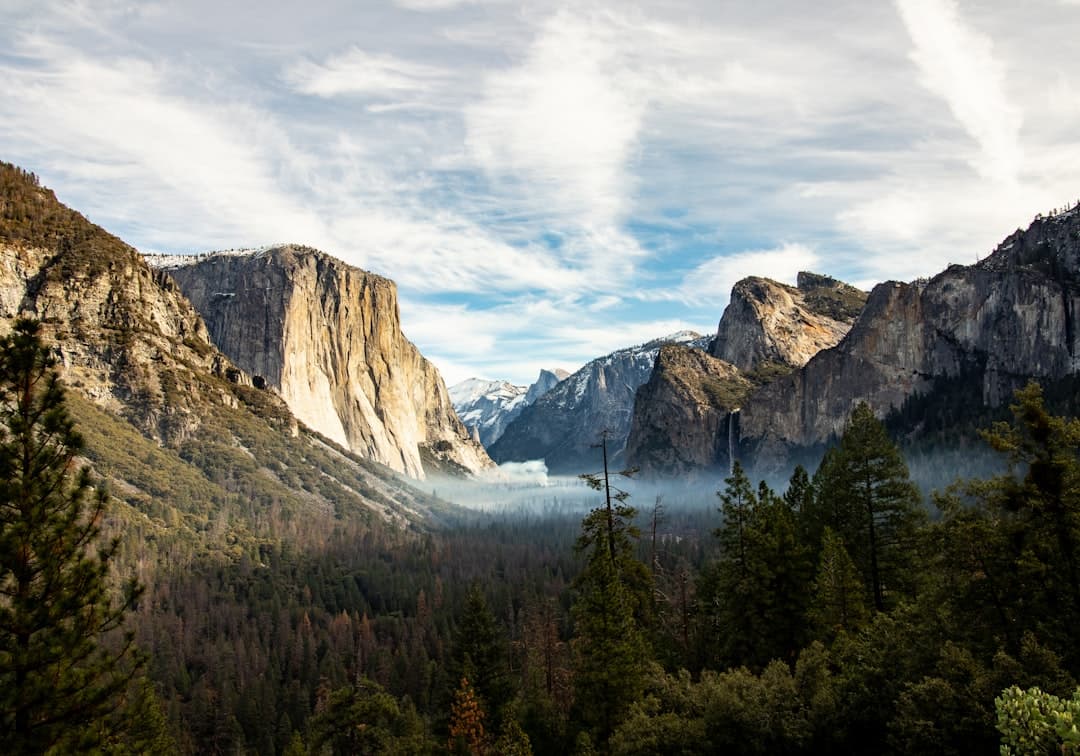
US National Parks on a Budget: Passes, Camping & Fee-Free Days That Save You Money
A week in Yellowstone, Yosemite or Zion does not have to cost a fortune. The biggest park expenses — entrance fees, lodging and food — are also the easiest to slash if you know the right levers. The headline one is simple: buy the $80 America the Beautiful Pass if you plan to hit more than two or three fee-charging parks in a year, camp or stay in gateway towns instead of in-park lodges, and cook your own meals. Do those three things and you can realistically pull off a week in a world-class park for under $600 for two people, all-in — versus $1,500+ if you wing it.
Here's exactly how to spend less, from passes and free days to cheap camping and the smartest airports to fly into.
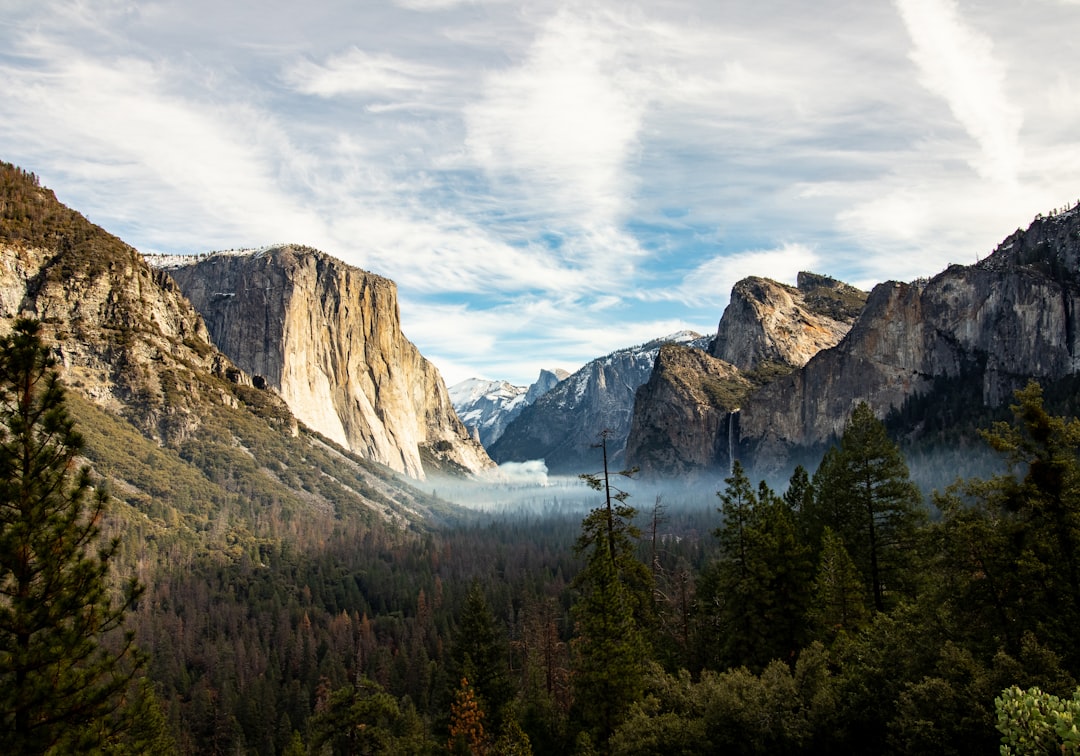 Photo by Robby McCullough on Unsplash
The America the Beautiful Pass: The One Purchase That Pays for Itself
If there is one thing to remember from this guide, it is the America the Beautiful Pass. It costs $80 per year, covers entrance fees at more than 2,000 federal recreation sites — every national park plus national forests, Bureau of Land Management lands, wildlife refuges and more — and is valid for 12 full months from the month you buy it.
The math is fast. Individual entrance at the big parks runs $30–$35 per private vehicle for a 7-day pass. Visit just three fee-charging parks and the $80 annual pass has already paid for itself; visit five or six and you are saving well over $100.
What the pass covers: the pass admits the passholder and everyone in a private, non-commercial vehicle (or the passholder plus three adults where a per-person fee applies). It covers entrance and standard amenity/day-use fees only. It does not cover camping, backcountry permits, tours, concession fees, or special permits — those are budget line items you will plan for separately below.
Where to buy the America the Beautiful Pass: the easiest options are the official USGS online store, in person at many REI locations, or simply at the entrance station of the first park you visit. If you buy at a gate, the full $80 goes straight to the park you are standing in.
Cost note for international visitors: a non-resident version of the pass has been announced for 2026 with a price around $250 (versus $80 for U.S. residents). If you are not a U.S. citizen or permanent resident, check the current price before you buy — even at $250 it can still beat paying $35 at six different gates.
Know the Free Passes You Might Already Qualify For
Before paying $80, check whether you qualify for a pass that costs nothing — or nearly nothing. This is the fastest way to make "national parks on a budget" mean "national parks for free."
- Military Pass (free): current U.S. military members and their dependents get a free annual pass.
- Veterans Pass (free): U.S. veterans and Gold Star Families are eligible for a free lifetime pass.
- Every Kid Outdoors (free): every U.S. fourth grader gets free entry for the whole family for the full school year. This single program saves families hundreds.
- Access Pass (free lifetime): U.S. citizens or permanent residents with a permanent disability get a free lifetime pass, plus discounts on many camping and amenity fees.
- Senior Pass ($20 annual or $80 lifetime): U.S. citizens or permanent residents aged 62+ get the same coverage as the America the Beautiful Pass for far less. If you turn 62 soon, it is worth timing your trip around it.
If none of these apply, the $80 annual pass is still the best-value purchase in American travel.
Time Your Visit for a Fee-Free Day
The National Park Service waives entrance fees on a handful of days every year. If your schedule is flexible, lining up your trip with one of these days wipes out the single biggest day-one cost entirely.
The recurring fee-free days in 2026 fall on:
- Martin Luther King Jr. Day — Monday, January 19
- First day of National Park Week — Saturday, April 18
- National Park Service Birthday — Tuesday, August 25
- National Public Lands Day — Saturday, September 26
- Veterans Day — Wednesday, November 11
Some years also include Juneteenth (June 19). The list is confirmed year to year, so always verify the current dates at nps.gov before booking. A fee-free day only waives the entrance fee — camping and tours still cost money — but for a family in a single vehicle that is an instant $30–$35 saved.
Choose Parks With No Entrance Fee at All
A surprising number of major parks never charge an entrance fee in the first place. Base your trip around one of these and the "admission" line on your budget simply disappears.
Parks that are free to enter, year-round, include:
- Great Smoky Mountains (Tennessee/North Carolina) — the most-visited national park in the country, and it costs nothing to drive in.
- Congaree (South Carolina) — old-growth bottomland forest and boardwalks, no fee.
- Mammoth Cave (Kentucky) — the world's longest known cave system; entry to the park is free (tours have fees).
- North Cascades (Washington) — jagged alpine peaks with no gate fee.
- Cuyahoga Valley (Ohio) — easy access between Cleveland and Akron.
- Hot Springs (Arkansas) and Gateway Arch (Missouri) — two more free-entry classics.
Not sure which park fits your style? We ranked the standout options in our guide to the best national parks in the USA.
Sleep Cheap: Camping, Dispersed Camping & Gateway Towns
Lodging is where most park trips blow their budget. In-park lodges routinely run $250–$450 a night and book out months ahead. Here is how to sleep near the action for a fraction of that.
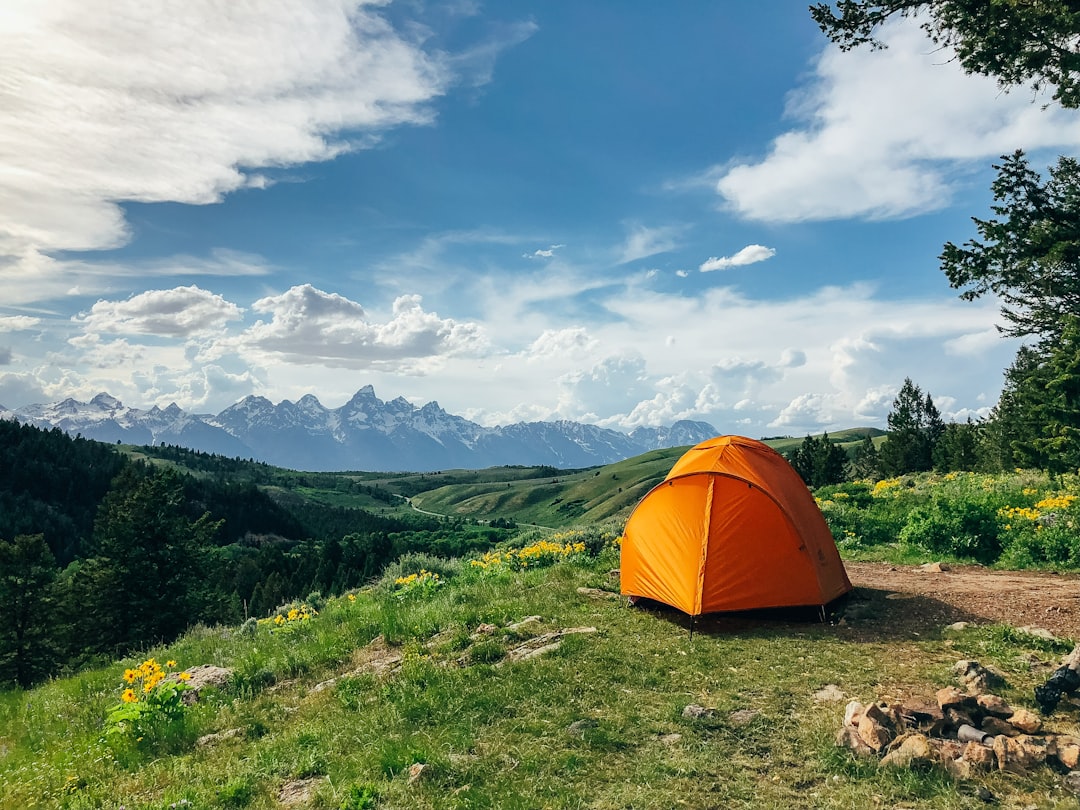 Photo by Jesse Gardner on Unsplash
Camp inside the park ($15–$35/night). Developed park campgrounds are the classic move: they are cheap, scenic and put you steps from trailheads. Expect roughly $15–$25 for basic sites and up to $35 for sites with more amenities at popular parks. Book through Recreation.gov, and set a reminder — the busiest campgrounds release sites up to six months out and vanish within minutes.
Disperse for free on BLM or Forest Service land. Just outside many park boundaries sits Bureau of Land Management (BLM) or U.S. Forest Service land where dispersed camping is free (typically up to 14 days in one spot). You get no water, toilets or hookups — you must pack it in and pack it out — but the price is unbeatable. Apps like iOverlander, FreeRoam and Campendium map free sites and recent reviews.
Stay in a gateway town. If you are not a camper, book a motel in a town 30–60 minutes from the entrance and drive in each morning. A room that costs $400 at the rim of the Grand Canyon might be $120 in Tusayan or Williams. The tradeoff is a short morning commute, which is a small price for halving your lodging bill.
If your park is part of a longer drive, fold the whole thing into a bigger loop — we break down the logistics in our complete US road trip guide.
Eat for Less: Groceries, Coolers & the Cooking Habit
Food is the quiet budget-killer in parks. A single lodge dinner for two can top $80, and park convenience stores charge a premium for everything.
Shop before you enter. Stop at a real grocery store in the last big town on your route — not the minimart at the gate. For Yosemite, stock up in Fresno, Oakhurst or Mariposa; for Yellowstone, Bozeman or Billings; for Zion, St. George or Hurricane. Fill a cooler with ice and plan simple camp meals: oats and coffee for breakfast, sandwiches and fruit for lunch, one-pot pasta or foil-pack dinners.
Skip the soda and snacks inside the park. A $4 bottle of water at a visitor center is pure waste when a refillable bottle and a grocery store stop cost a few cents per liter. Many parks have water-refill stations.
A family of four that cooks instead of eating out for a week can easily save $300–$500 — money that covers the entire camping budget and then some.
Cut the Big Costs: Flights, Gas & Rental Cars
Transportation is usually the largest fixed cost, so this is where a little strategy earns the biggest savings.
Fly into the budget airport, not the obvious one. The cheapest way to reach many iconic parks is a low-cost airport a two-to-four-hour drive away:
- Zion & Bryce → fly into Las Vegas (LAS)
- Grand Canyon → fly into Phoenix (PHX) or Flagstaff (FLG)
- Yosemite → fly into Fresno (FAT) or Reno (RNO)
- Rocky Mountain → fly into Denver (DEN)
- Arches & Canyonlands → fly into Salt Lake City (SLC)
- Yellowstone → fly into Bozeman (BZN) or Salt Lake City
- Great Smoky Mountains → fly into Knoxville (TYS)
These hubs consistently have more competition and lower fares than the tiny regional airports right at the gate.
Fill the tank in town. Gas stations within a few miles of a park entrance routinely charge $0.50–$1 more per gallon. Top off in the gateway town before you arrive, and plan a full tank before long stretches of park road.
Rent the smallest car that fits your gear. A compact is cheaper per day and burns less fuel; you do not need an SUV for paved park roads. If you are doing a one-way trip, compare rental companies carefully — one-way fees can erase any flight savings.
Travel in the Shoulder Season
When you go matters as much as how. The parks' peak summer months drive up prices on everything from campsites to gateway motels to flights.
April–May and September–October are the sweet spot for most parks: temperatures are comfortable, crowds thin out, and lodging and rental-car prices drop meaningfully. You also dodge the summer rush that makes campsites impossible to get.
A few caveats: high-elevation roads (like Going-to-the-Sun Road in Glacier or Trail Ridge Road in Rocky Mountain) stay snow-covered into June and can close in October. For desert parks like Joshua Tree, Death Valley and Saguaro, the shoulder season is actually winter and early spring — summer there is brutally hot. Match the "shoulder" to the park's climate, and you will pay less and enjoy it more.
The Cheapest National Parks to Visit
Some parks are simply more affordable than others — low or no entrance fees, cheap nearby camping, and reasonable gateway towns. If your goal is maximum scenery per dollar, these are the standouts:
- Great Smoky Mountains — free entry, cheap camping, close to Knoxville.
- Congaree — free entry, free camping nearby, easy to combine with a Charleston or Columbia trip.
- Mammoth Cave — free park entry; cave tours are the only real cost.
- Great Basin (Nevada) — remote, under-visited and one of the most affordable parks in the system.
- Death Valley — vast, epic and surrounded by cheap motels in the winter season.
- Badlands, Wind Cave & Theodore Roosevelt (the Dakotas) — low fees, cheap camping and endless open road.
- Petrified Forest & Saguaro (Arizona) — low entry fees and budget-friendly gateway towns.
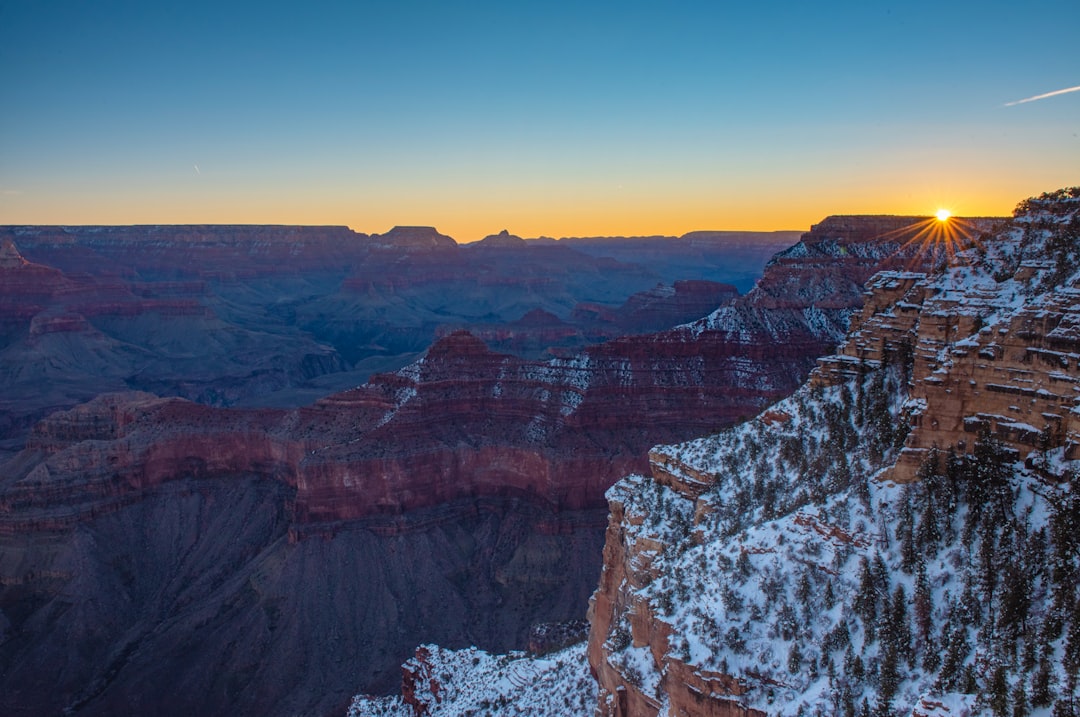 Photo by Shur Shu on Unsplash
For a different flavor of cheap Southwestern scenery, we rounded up lesser-known alternatives in our guide to under-the-radar Southwest gems beyond the Grand Canyon. And if hiking is your main goal, start with our Grand Canyon hiking guide before you hit the trail.
What a Week in a National Park Actually Costs
To make this concrete, here is a realistic side-by-side for two adults, seven days, one major park (prices are ballpark and vary by park and season).
| Expense | Budget version | Comfort version |
|---|---|---|
| Entrance | America the Beautiful Pass — $80 (covers all future parks too) | Pay per gate — $35 |
| Lodging | Camping, 6 nights × $25 — $150 | Gateway hotel, 6 nights × $180 — $1,080 |
| Food | Groceries + camp cooking — $175 | Restaurants + café snacks — $420 |
| Gas | $150 | $150 |
| Total | ≈ $555 | ≈ $1,685 |
The gap is more than $1,100 for the same park, same views. The budget version still includes the $80 pass, which keeps working for every future trip you take that year.
FAQ: National Parks on a Budget
Is the America the Beautiful Pass worth it? Yes, if you plan to visit three or more fee-charging parks in a 12-month period. At $80 versus $30–$35 per individual park entry, it pays for itself on the third park and saves money from there.
What does the America the Beautiful Pass NOT cover? It covers entrance and standard day-use fees only. Camping, backcountry permits, cave tours, shuttles, and special recreation fees are separate — budget for those independently.
Which national parks are free to enter? Great Smoky Mountains, Congaree, Mammoth Cave, North Cascades, Cuyahoga Valley, Hot Springs, Gateway Arch, Biscayne and Channel Islands all have no entrance fee, among others.
When are the 2026 fee-free days? January 19 (MLK Day), April 18 (first day of National Park Week), August 25 (NPS birthday), September 26 (National Public Lands Day) and November 11 (Veterans Day). Verify the confirmed list at nps.gov before you go.
Can I get a free national parks pass? You may qualify for a free pass if you are a current U.S. military member, a veteran, a fourth grader (Every Kid Outdoors), or a U.S. citizen/permanent resident with a permanent disability. Seniors 62+ get a pass for just $20 a year or $80 lifetime.
How far in advance should I book camping? Popular campgrounds open reservations on Recreation.gov up to six months ahead and sell out fast. Set a reminder and book the moment your dates open, especially for summer.
The Bottom Line
Visiting America's national parks on a budget is less about sacrifice and more about defaults: buy the right pass, camp or stay in a gateway town, cook your own food, and time your trip for a free day or the shoulder season. None of it reduces the experience — you still get the same sunrise over the canyon and the same trail to the summit. You just keep the extra $1,000 in your pocket for the next trip.
Start with the $80 pass, pick a free or cheap park to practice on, and work up to the big-name classics once you have the system down. If you would rather see the country from behind the wheel between parks, our list of the best scenic drives in America is a good next read.
Want to build your own spot list?
Join Spotli.st and share your favorite places with the world.
Create my free account