Whitewater Rafting in the USA: 12 Rivers for Beginners, Families & Adrenaline Junkies
The best whitewater rafting rivers in the USA for every level — family-friendly Class II floats to expert Class V runs — with timing, cost and gear tips.
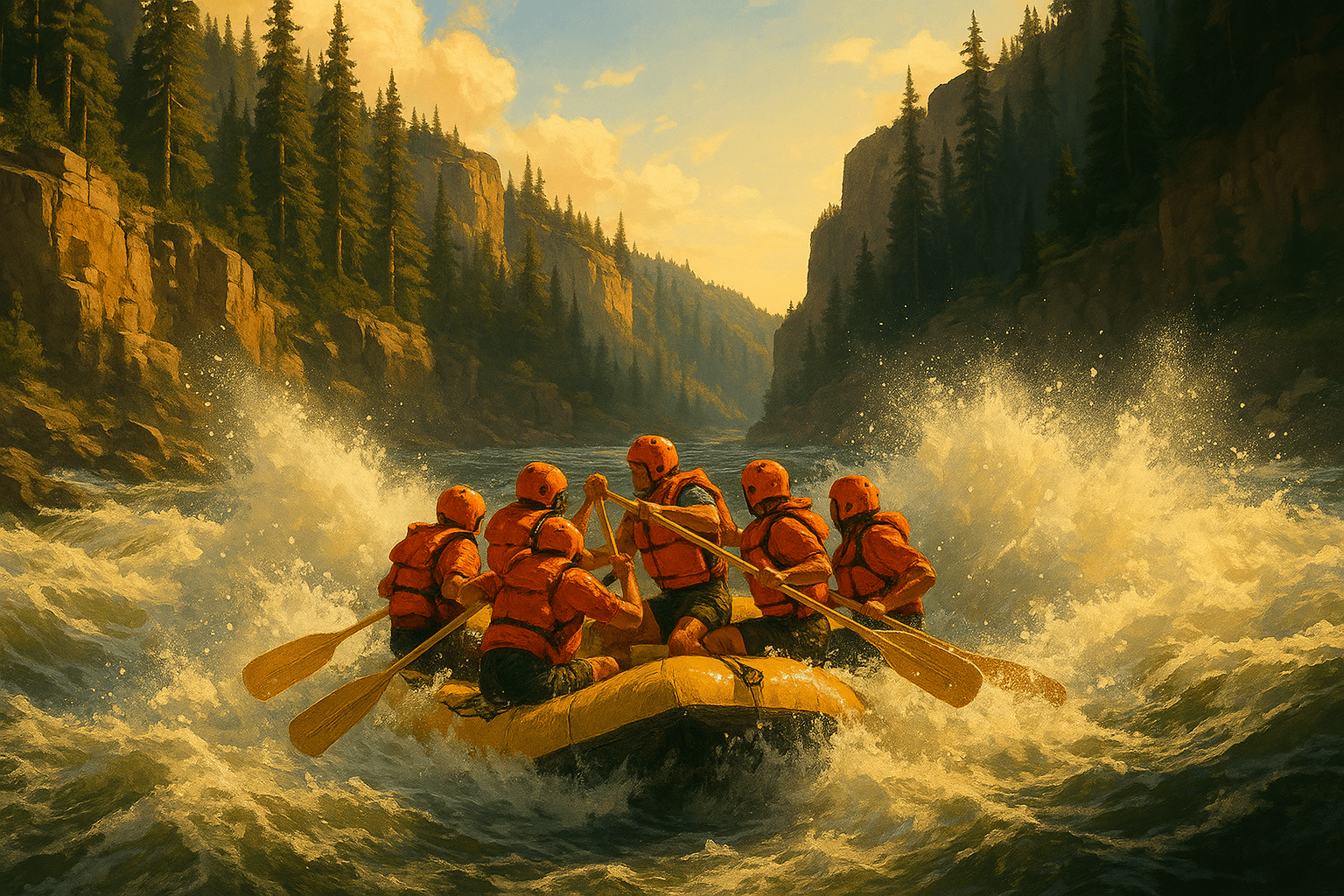
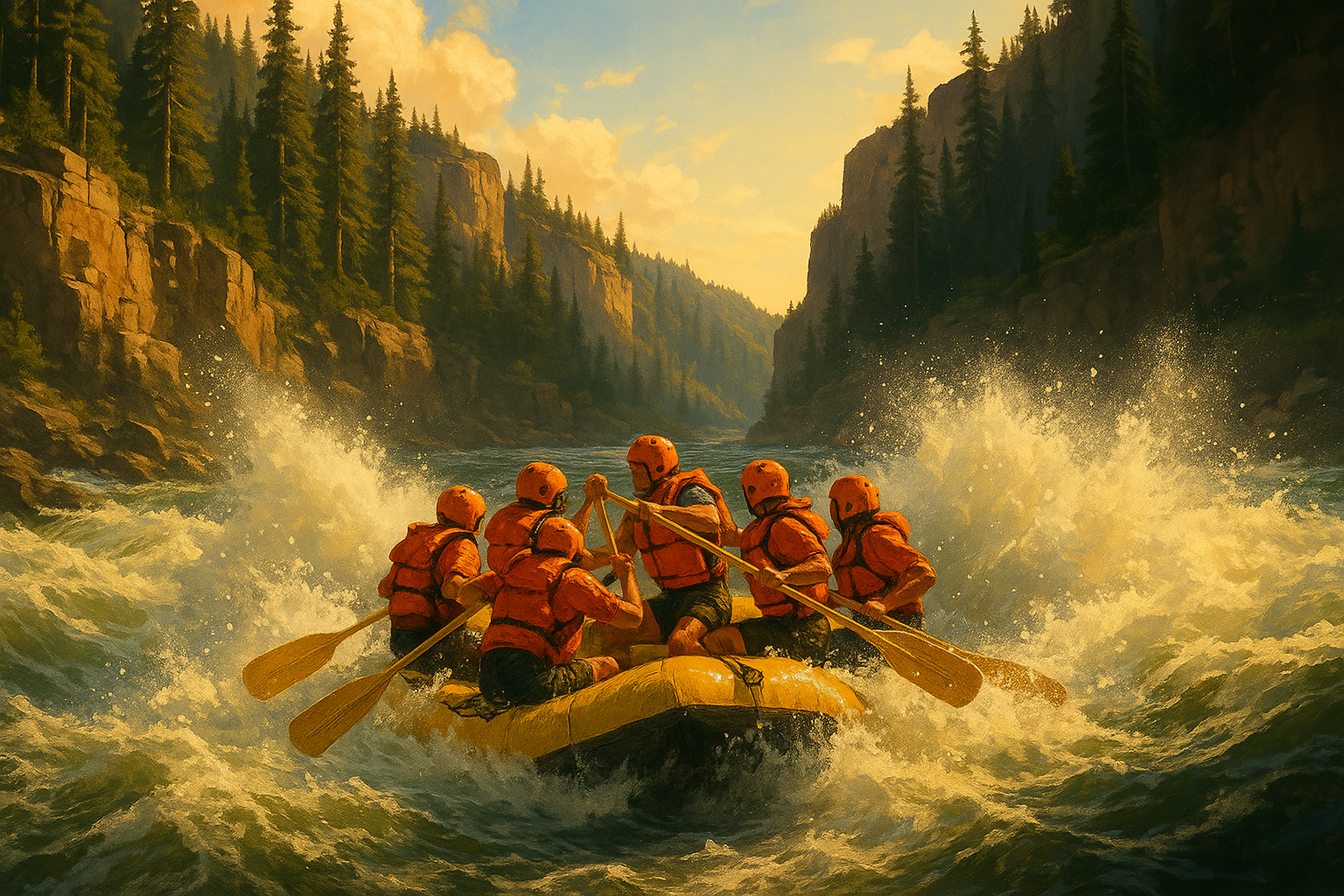
The United States is home to some of the most spectacular whitewater rafting on Earth — from warm, forgiving family floats in the Southeast to the hardest commercially run Class V rapids in the country, deep in California's Sierra Nevada. The best river for you depends on three things: your skill level, your season, and whether you want a half-day splash or a multi-day wilderness expedition.
Below, you'll find a rundown of 12 of the best whitewater rafting rivers in the USA, grouped by difficulty, plus how to read the rapid class system, when to go, what a trip actually costs, and what to bring. Use it to match the river to your crew — not just to the biggest rapids you can find.
Understanding the rapid class system (Class I to V)
Before you book, you need to speak the language. Outfitters describe difficulty using the International Scale of River Difficulty, which runs from Class I (easy) to Class VI (essentially unrunnable).
- Class I — Easy, moving water with small waves and few obstructions. More float than rapid.
- Class II — Straightforward rapids with wide, clear channels. A little maneuvering required; great for first-timers.
- Class III — Moderate, irregular waves that can swamp an open canoe. You'll need to maneuver, and the guide may scout ahead. The sweet spot for most recreational rafters.
- Class IV — Intense, powerful rapids with unavoidable features. Precise boat handling is required; scouting is often necessary. Prior experience recommended.
- Class V — Extremely difficult, long, and violent rapids with big consequences. Expert-only water; most commercial operators set minimum age and experience requirements.
- Class VI — Exploratory or unrunnable. You won't be booking this on vacation.
A good rule of thumb: beginners and families live in Class II–III, confident intermediates in Class III–IV, and seasoned paddlers graduate to Class IV–V.
Best beginner & family rivers
If it's your first time — or you're bringing kids — these rivers deliver real whitewater without white knuckles.
Pigeon River, Tennessee/North Carolina — Class II–III
The Lower Pigeon is the classic "first rapid" for thousands of families, and it sits right at the edge of the Great Smoky Mountains near Gatlinburg. Expect scenic, tree-lined banks, splashy but friendly waves, and a quick shuttle back to town. Most outfitters welcome kids around age 4, making it one of the most accessible introductions to rafting in the country.
Nantahala River, North Carolina — Class II–III
The Nantahala is the Southeast's family staple: a cold, dam-fed river (the water stays in the 40s°F year-round) with clear water and a memorable finish through Nantahala Falls at the end. Outfitters cluster around Bryson City, and kids as young as 7 can paddle. Bring a wetsuit rental — the cold is the only thing that surprises first-timers.
Lower American River, California — Class II–III
If you're on the West Coast, the South Fork of the American River near Sacramento is the region's beginner benchmark. Warm summer weather, reliable flows, dozens of outfitters, and a scenic canyon make it an easy day trip. Weekends get busy, so book a midweek slot if you can.
Lower Salmon River, Idaho — Class I–III
For families who want to make a trip out of it, the Lower Salmon is a sandy-beach classic: big Western scenery, camping on wide sandbars, warm swimming holes, and wildlife sightings. Flows are gentle enough for kids and grandparents, and multi-day trips let you unplug for two to five days.
Best intermediate rivers (Class III–IV)
Comfortable with Class III and ready for bigger water? These are the rivers that reward you.
New River, West Virginia — Class III–IV
Despite the name, the New is geologically one of the oldest rivers in the world, and it carves a deep, forested gorge with big, wave-train rapids. Day trips through the New River Gorge serve up continuous Class III–IV action with names like The Keeneys and Double Z. It's the East's best balance of scenery and adrenaline without requiring expert skills.
Chattooga River, Georgia/South Carolina — Class III–IV
A federally protected Wild and Scenic River on the Georgia–South Carolina line, the Chattooga is famous as the setting for the film Deliverance — and for its pristine, free-flowing water. Section III is the intermediate favorite; Section IV (including the notorious Five Falls) is serious Class IV–V water for experienced rafters. Because it's free-flowing, flows depend on rain and season, so check conditions with your outfitter.
Arkansas River — Browns Canyon & The Numbers, Colorado — Class III–IV
Colorado's Arkansas River is the state's rafting workhorse, with a long season fed by high-altitude snowmelt. Browns Canyon is the crowd-pleaser: fun, splashy Class III rapids through granite boulders. Just upstream, The Numbers is a tight, technical Class IV rock garden that keeps guides honest. Both are an easy drive from Denver or Colorado Springs — and a natural add-on to a Rockies road trip.
Rogue River, Oregon — Class III (multi-day)
The Rogue is the gold standard for a family multi-day in the West: warm water, bald eagles and black bears on the banks, side-hikes to waterfalls, and moderate rapids spread over three to four days. You can camp or stay in riverside lodges. It's remote enough to feel like wilderness while staying gentle enough for mixed-age groups.
Snake River, Wyoming — Class II–III
Through Jackson Hole, the Snake River serves up fun rapids against a backdrop of the Tetons — arguably the best scenery-to-effort ratio in the country. The "Scenic" and "Whitewater" sections are separate, so families and thrill-seekers can each find their lane. It's a perfect half-day between hikes in Grand Teton National Park.
Penobscot River, Maine — Class III–V
New England's big-water river, the Penobscot runs through Ripogenus Gorge near Baxter State Park. Dam-controlled releases create reliable late-season flows, with Class IV–V drops like Exterminator and Cribworks. It's the Northeast's answer to the Gauley — with moose sightings as a bonus.
Best expert rivers (Class IV–V)
If you've run Class IV and want the real thing, these are the country's crown jewels.
Upper Gauley River, West Virginia — Class V
The Upper Gauley is called the "Beast of the East" for a reason. During its famous fall dam-release season (six weekends after Labor Day), the Army Corps of Engineers opens the gates and the river becomes a 26-mile gauntlet of more than 100 rapids, including Class V monsters like Pillow Rock, Insignificant (a joke of a name), and Sweet's Falls. This is bucket-list expert water — not a first-timer's trip.
Cherry Creek / Upper Tuolumne, California — Class V
If the Gauley is the East's hardest commercial run, Cherry Creek is widely considered the hardest commercially rafted stretch of continuous Class V whitewater in the entire United States. Set just outside Yosemite National Park, it's a non-stop sequence of steep, technical drops with names like Miracle Mile and Toilet Bowl. Most operators require you to be 16 or older and in good physical shape — and for good reason.
Grand Canyon — Colorado River, Arizona — Class III–V (multi-day)
The Grand Canyon on the Colorado River is the most legendary rafting trip in the world — and it's as much about the journey as the rapids. Trips run from 3 to 25 days, threading massive canyon walls past side canyons and ancient history, and through famous rapids like Crystal and Lava Falls. It's a once-in-a-lifetime expedition, not a quick float.
Most people raft the Canyon on a guided commercial trip or an independently permitted private trip (permits are issued by lottery and can take years). The Colorado River through the Grand Canyon is the heart of the park — if you want to extend your trip on dry land, plan extra time for hiking below the rim, and remember that many of the West's great rivers flow straight through or beside America's best national parks.
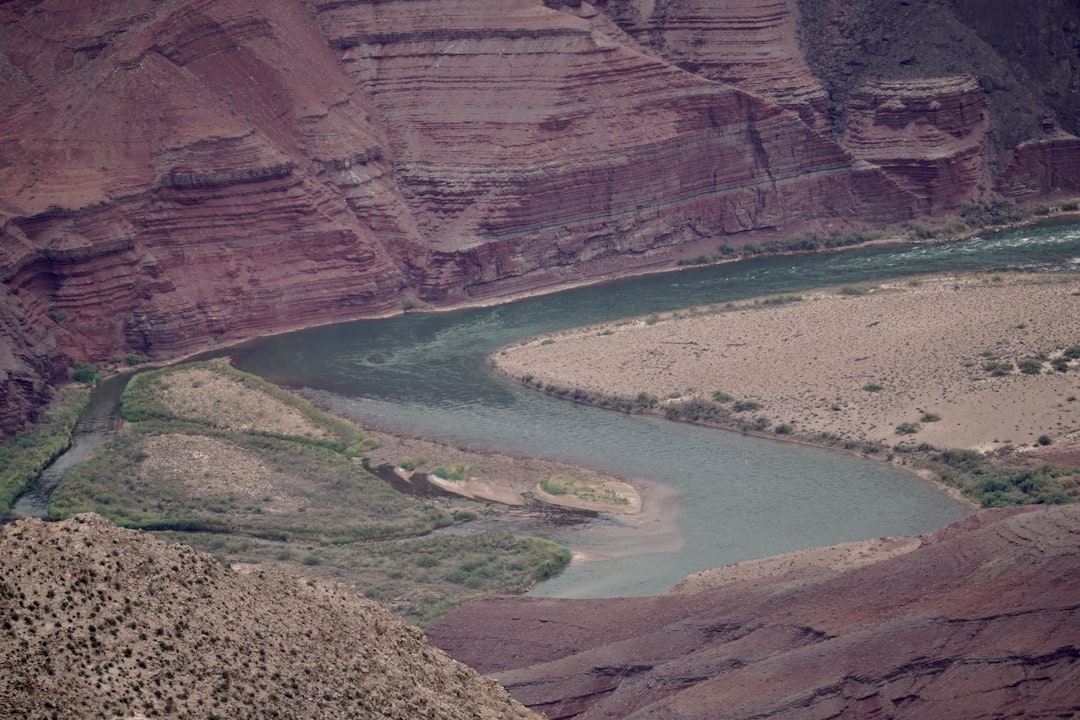
Photo by Yihong Chen on Unsplash
Middle Fork of the Salmon River, Idaho — Class III–IV (wilderness)
The Middle Fork of the Salmon flows through the largest roadless wilderness in the lower 48 states, and rafters often call it the best multi-day float in the country. Over five or six days you'll paddle clear, steady Class III–IV rapids, soak in natural hot springs, camp on pine-covered beaches, and see almost no one. Permits are limited, so plan months in advance.
Royal Gorge, Colorado — Class IV–V
The Royal Gorge section of the Arkansas River squeezes a river into a sheer, 1,000-foot-deep canyon — the kind of place where you crane your neck between rapids. Spring and early summer bring the biggest flows, with continuous Class IV–V water beneath the famous suspension bridge. It's a thrilling, committed run for experienced rafters.
How to choose the right river
Narrow it down with three questions:
- What's your group's experience level? Be honest. A Class IV rapid is a bad place to discover someone is uncomfortable. When in doubt, start one class below what you think you can handle.
- Day trip or multi-day? Day trips are cheap, easy, and abundant (the Pigeon, Nantahala, Lower American, and Browns Canyon are all excellent one-day options). Multi-days (Rogue, Middle Fork, Grand Canyon) cost more and require planning, but they deliver a completely different sense of wilderness.
- Which region and season? The West runs on snowmelt; the East and Pacific Northwest run partly on dam releases, which extends the season into fall.
| River | State(s) | Class | Best for | Typical format |
|---|---|---|---|---|
| Pigeon (Lower) | TN/NC | II–III | First-timers, young kids | Half-day |
| Nantahala | NC | II–III | Families, kids 7+ | Half-day |
| Lower American | CA | II–III | Beginners, warm weather | Half/full day |
| Lower Salmon | ID | I–III | Family multi-day, camping | 2–5 days |
| New River | WV | III–IV | Intermediate wave trains | Half/full day |
| Chattooga (Sec. III) | GA/SC | III–IV | Intermediate wilderness | Full day |
| Arkansas (Browns/The Numbers) | CO | III–IV | Intermediate, Denver access | Half/full day |
| Rogue | OR | III | Family multi-day, wildlife | 3–4 days |
| Snake (Jackson Hole) | WY | II–III | Scenic float with views | Half-day |
| Penobscot | ME | III–V | New England big water | Full day |
| Upper Gauley | WV | V | Expert, fall release | Full day |
| Cherry Creek / Upper Tuolumne | CA | V | Expert, hardest in US | Full day |
| Grand Canyon / Colorado | AZ | III–V | Bucket-list multi-day | 3–25 days |
| Middle Fork Salmon | ID | III–IV | Remote wilderness | 5–6 days |
| Royal Gorge | CO | IV–V | Expert canyon run | Full day |
When to go: season and flows by region
Timing matters as much as the river itself, because flows — not the rapids' names — determine difficulty.
- The West (Colorado, Idaho, Wyoming, California): peak season is May through July, when mountain snowmelt swells the rivers. High water means bigger rapids; by August many free-flowing rivers drop to mellow summer levels. The Arkansas and Snake are at their best in June.
- The Southeast (West Virginia, Tennessee, North Carolina, Georgia): dam-controlled rivers like the Pigeon and Nantahala run all summer, while rain-fed rivers like the Chattooga depend on the weather. Fall is prime time for the Gauley's famous dam releases.
- The Northeast (Maine): the Penobscot's dam releases typically run in spring and fall, offering reliable water when Western rivers are low.
- The Grand Canyon and multi-day rivers: trips run spring through fall; prime seasons book out months ahead.
A quick rule: for the biggest rapids, chase snowmelt (West) or dam releases (East). For the warmest water and most comfortable camping, aim for summer.
What it costs & what to bring
Costs. Whitewater rafting is one of the better-value adventure sports because the guide, gear, and shuttle are bundled into the price. Expect roughly:
- Half-day trip: $60–$120 per person
- Full-day trip: $90–$180 per person, often including lunch
- Multi-day (3–5 days): $1,000–$2,500 per person, all-inclusive
- Grand Canyon expedition (6+ days): $3,000–$6,000+ per person
Most outfitters provide the essentials — raft, paddle, PFD (life jacket), and helmet. Wetsuits and booties are usually a small add-on (worth it on the Nantahala or any snowmelt river). If you're already budgeting a bigger outdoors trip, park passes and camping fees are easy to fold in with the right national parks budget strategy.
What to bring. Quick-dry clothing (no cotton), secure footwear that won't fall off (old sneakers or water shoes), sunscreen and a strap for your sunglasses, a towel and dry change of clothes for the shuttle back, and a waterproof phone pouch if you insist on photos. Leave jewelry and anything you can't afford to lose in the car.
Safety basics & first-timer tips
- Listen to the safety talk. It's the most important five minutes of your day — it teaches you how to hold the paddle, brace your feet, and what to do if you swim.
- You don't need to be a strong swimmer, but you should be comfortable in water. A Coast Guard-approved PFD keeps you afloat; the guide teaches you to float feet-first, toes up.
- Wear the PFD properly — snug, with all buckles done. A loose life jacket is worse than none.
- Ask about minimum ages and weight limits for kids before booking.
- Book a reputable outfitter. Look for companies with experienced, certified guides and strong safety records; in the Grand Canyon and on wilderness rivers, permits and guide quality matter enormously.
Frequently asked questions
How old do kids need to be to go whitewater rafting? It varies by river and outfitter. Gentle Class II sections (Lower Pigeon, Lower Salmon) often welcome kids around age 4–5, while Class III rivers like the Nantahala typically set a minimum of 7. Expert runs like Cherry Creek usually require 16+.
Do I need to know how to swim? You should be comfortable in water, but you don't need to be a strong swimmer. You'll wear a Coast Guard-approved life jacket at all times, and guides run a thorough safety briefing before you launch.
What's the difference between Class III and Class IV? Class III rapids are moderate with irregular waves that require maneuvering but are generally forgiving. Class IV rapids are intense and powerful, with unavoidable features, precise boat handling required, and scouting often necessary — they're a big step up in consequence and skill.
When is the best month for whitewater rafting in the USA? It depends on the region. The West peaks in June with snowmelt, the dam-fed Southeast runs reliably all summer, and the Gauley's famous fall releases (September–October) are the East's highlight. For warm water and comfortable camping, aim for mid-summer.
Do I need experience to raft the Grand Canyon? No — commercial Grand Canyon trips take complete beginners, and the guides handle the technical water. What you need is time (most trips are 6+ days), budget, and a willingness to camp in a remote canyon.
What should I wear whitewater rafting? Quick-dry athletic clothing (avoid cotton, which stays cold and heavy), secure water shoes or old sneakers, and sunscreen. In cold water like the Nantahala or snowmelt rivers, rent a wetsuit.
The bottom line
Whitewater rafting in the USA has a river for every kind of traveler: a sunny afternoon float with the kids on the Pigeon, a big-water weekend on the New or Arkansas, or a once-in-a-lifetime expedition through the Grand Canyon or down Idaho's Middle Fork Salmon.
Match the river to your crew's comfort level, chase the right season for the flows you want, and let a good outfitter handle the rest. And if the river bug bites — as it usually does — know that many of America's best rafting rivers sit along the same scenic byways and park loops worth planning a full US road trip around.
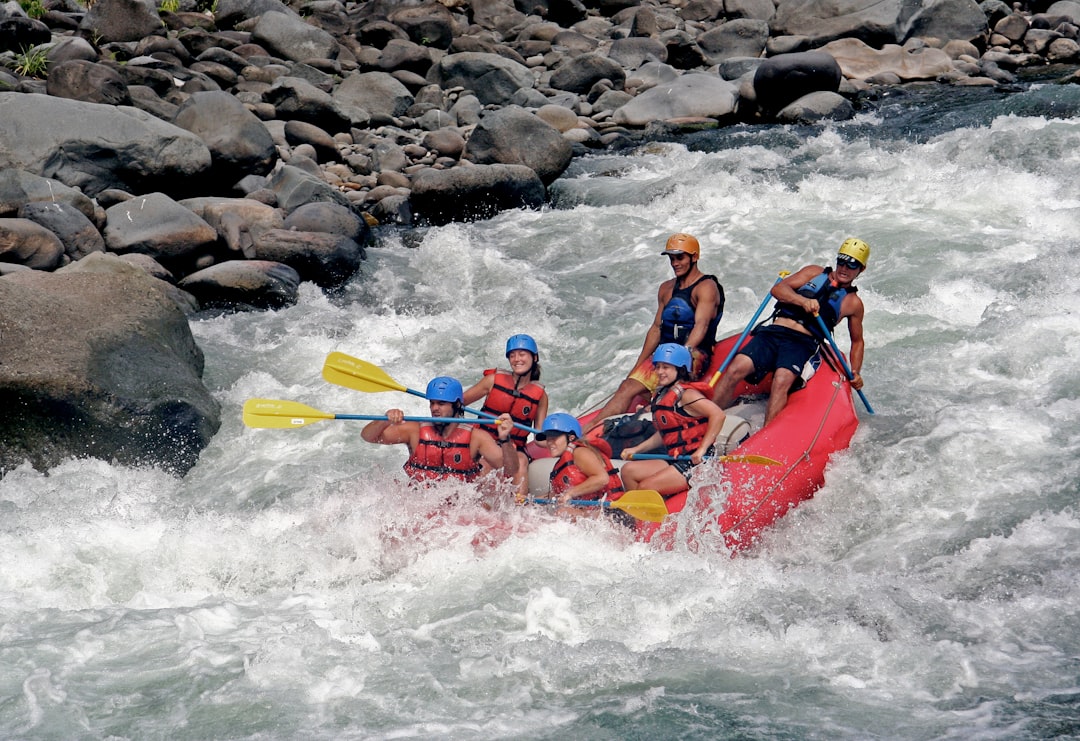
Photo by Outward Bound Costa Rica on Unsplash
Want to build your own spot list?
Join Spotli.st and share your favorite places with the world.
Create my free account