12 Secret Swimming Holes in the USA Worth Finding in 2026
Turquoise desert springs and hidden waterfall pools: 12 secret swimming holes in the USA worth the hike — with permits, water temps, and safety tips.
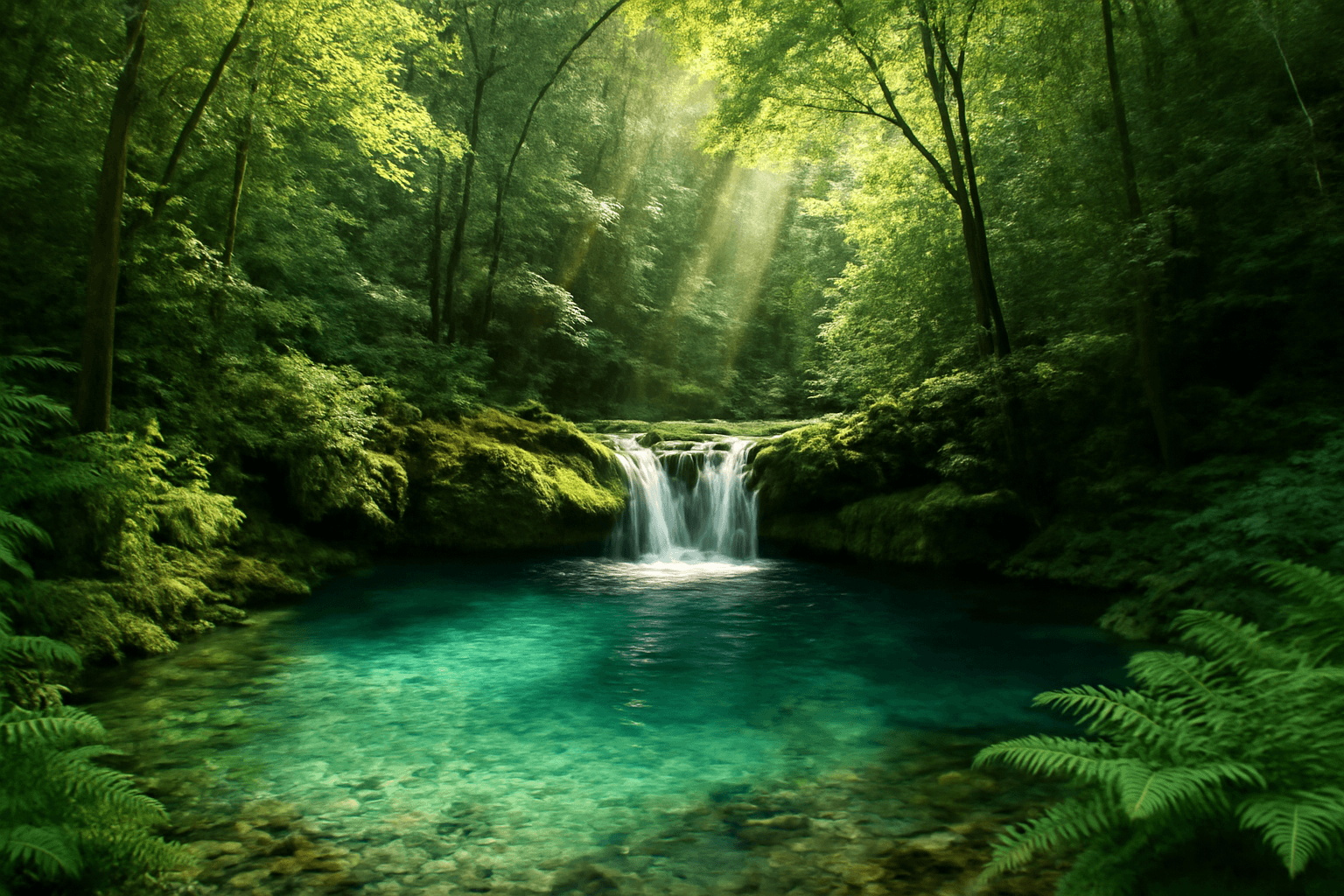
There's a moment every summer when a chlorinated pool stops cutting it, and you start craving water that's cold, clear, and carved by nature — not poured into concrete. That's exactly when a secret swimming hole becomes the best plan you can make. Across the USA, tucked into slot canyons, desert mesas, and fern-lined forests, sit dozens of turquoise springs, waterfall pools, and natural rock slides most travelers never find.
Here's the short answer: the single most iconic secret swimming hole in the USA is Havasu Falls in Arizona — a blue-green waterfall deep in the Grand Canyon — but it requires an advance permit. Right behind it sit gems like Hamilton Pool in Texas, The Subway in Zion, and Sliding Rock in North Carolina, each offering a completely different kind of swim.
This guide covers 12 secret swimming holes in the USA, organized by region, with the exact access, permit rules, water temperature, and safety notes you need to plan a trip — without spoiling the magic for the people who've kept these spots quiet.
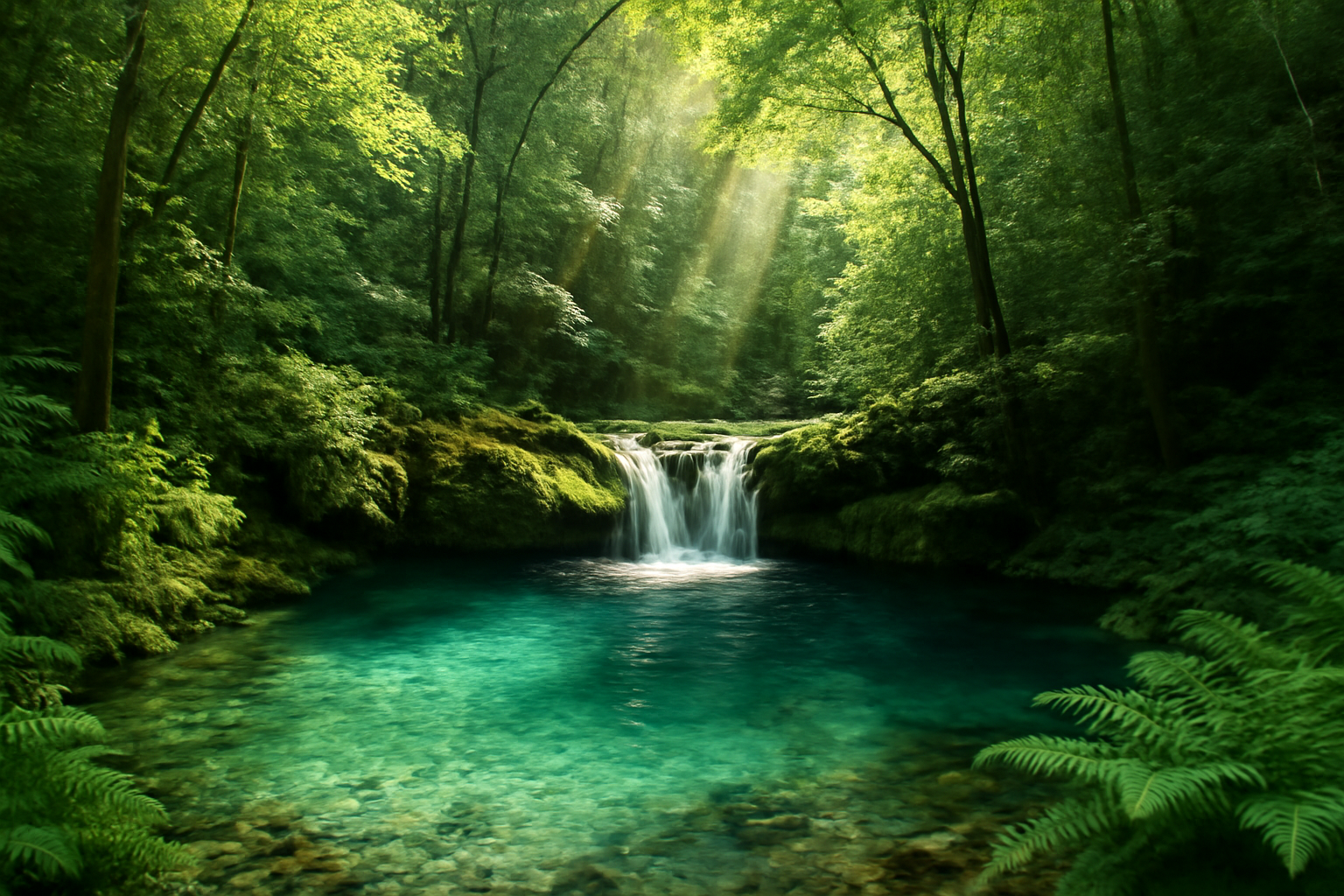
Why These Swimming Holes Are Worth the Effort
A real swimming hole is nothing like a beach or a pool. The water is usually spring-fed or snowmelt — meaning it's shockingly cold even in August — and the surrounding rock is part of the draw: you swim under waterfalls, through slot canyons, or over smooth granite chutes that double as natural water slides.
A few things to know before you go:
- "Secret" is relative. Most of these spots are well documented locally. What makes them feel secret is that they require a hike, a permit, or a specific season — which thins the crowds dramatically.
- Permits are the new norm. Several spots (Havasu Falls, The Subway, Hamilton Pool, Jacob's Well) now cap visitors to protect the water. Always check before you drive.
- Cold water is real. Snowmelt pools can hover in the 50s (°F). Spring-fed pools are usually in the 60s. That's refreshing — and a legitimate safety factor (more below).
The 12 Best Secret Swimming Holes in the USA
1. Havasu Falls — Supai, Arizona
The answer to "what is the best swimming hole in the USA?" — and the hardest one to get into.
Havasu Falls is the postcard you've almost certainly seen: a ~100-foot waterfall pouring over red travertine into a series of electric blue-green pools, deep inside Havasupai tribal land in the Grand Canyon. The color comes from dissolved calcium carbonate in the water, which also builds the terraced rock that makes the pools so photogenic.
The catch: you can't just show up. Access requires a Havasupai Tribe reservation and permit, usually released months ahead, plus a ~10-mile hike from Hualapai Hilltop (or a helicopter ride). Most people stay at the Havasupai Campground for several nights. If you're already planning a Grand Canyon hiking trip, this is the dream add-on — budget the permits first and plan the rest around them.
Quick facts: Water temp varies by season; the trail is strenuous and remote; carry more water than you think you need. Best in late spring or early fall, when the heat is manageable.
2. The Subway (Left Fork North Creek) — Zion National Park, Utah
If Havasu Falls is the most famous, The Subway is the most otherworldly. This Zion slot canyon gets its name from a stretch where the water has bored a rounded, tunnel-like tube through the sandstone, opening into emerald pools. Swimming, wading, and a few short down-climbs are part of the route.
It's a serious outing, not a casual dip: you'll need a wilderness permit (lottery) and, for the top-down route, route-finding and rappelling skills; the bottom-up approach is more accessible but still requires creek walking in cold water — many people bring a wetsuit. Zion is one of the best national parks in the USA, but this corner of it feels a world away from the shuttle-bus crowds.
Quick facts: Permit required; cold water year-round; check flash-flood forecasts before entering any slot canyon. Best May through October, outside monsoon bursts.
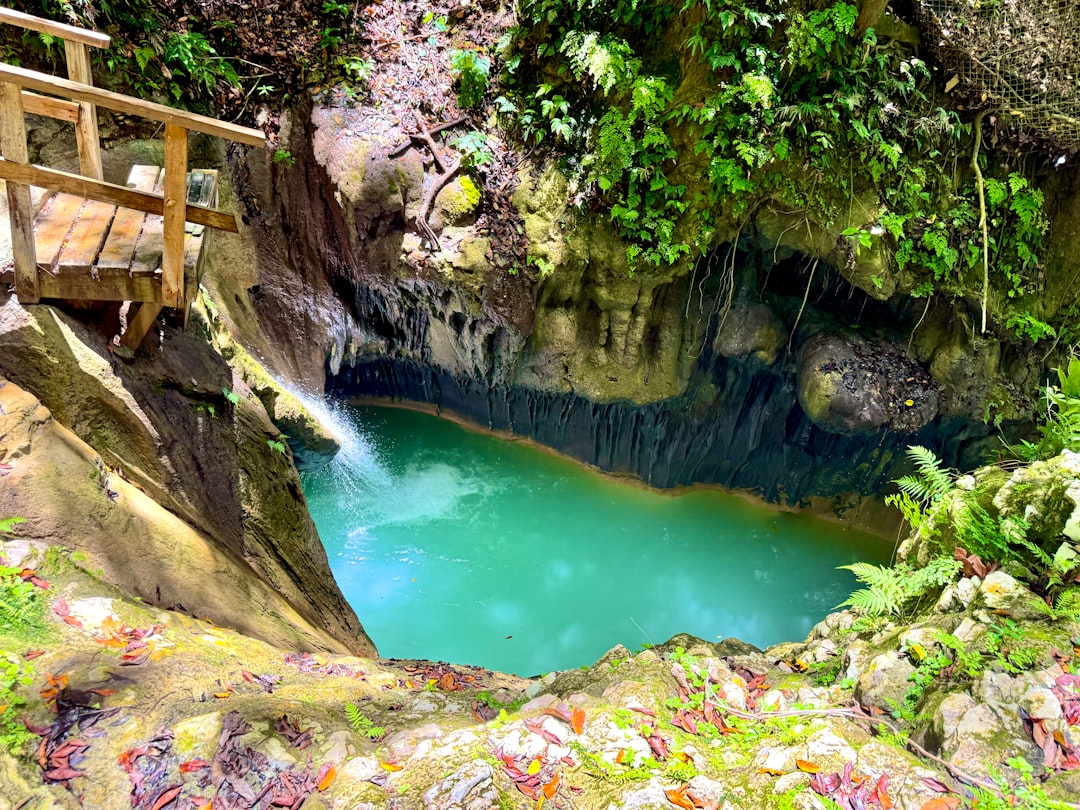
Photo by Matthew Hernandez on Unsplash
3. Blue Hole — Santa Rosa, New Mexico
On a stretch of old Route 66, the Blue Hole is a spring-fed bell of impossibly clear water that plunges 81 feet deep and stays around 62°F. It's only about 80 feet across, but the clarity is so extreme that free divers and scuba classes use it for training — you can see the bottom from the surface.
Because it's an artesian spring, the water is constantly replaced (roughly 3,000 gallons a minute), which is why it never looks murky. There's a small daily fee, it's open year-round, and it's far less crowded than Texas's springs. For an arid-state stopover that takes an hour instead of a whole day, it's hard to beat.
Quick facts: ~62°F water; strong swimmers only past the shallow shelf. Open year-round, which is a rarity on this list.
4. Homestead Crater — Midway, Utah
Most swimming holes are open-air. The Homestead Crater is a beehive-shaped limestone dome with a geothermal spring inside it — you swim through a hole in the rock into warm, mineral-rich water that stays 90–96°F all year, including mid-winter.
It's a ticketed experience rather than a wild one (you'll book a swim, soak, snorkel, or even a scuba session through the resort), and the 65-foot-deep crater is surprisingly dramatic once you're floating inside, steam rising into the dome. It's the best "swimming hole" for people who hate cold water — and a rare one you can enjoy in February.
Quick facts: Reservations required; ~95°F water; great for non-swimmers to float, serious depths for divers. A perfect winter escape.
5. Devil's Punchbowl — Aspen, Colorado
A short drive from Aspen on Independence Pass, the Devil's Punchbowl is a cold, deep pool on the Roaring Fork River where locals jump from the surrounding rocks into clear snowmelt water. It's raw and pretty, with granite ledges and that electric alpine clarity — and it stays icy even on the hottest August afternoon.
Go mid-week and early, because it's popular with the Aspen summer crowd, and know that the rocks can be slippery and the water deeper or shallower than it looks depending on the season's runoff. This is a cliff-jumping spot; if that's not your thing, it's still a gorgeous place to put your feet in and watch.
Quick facts: Snowmelt cold; jump only where locals jump; check river levels after heavy snow years. Best July and August, when the snowmelt has eased.
6. God's Bath — Clavey River, California
Tucked in the Stanislaus National Forest near Groveland (the gateway to Yosemite), God's Bath is a series of smooth granite pools and natural water chutes carved into the Clavey River. The rock has been worn so perfectly round that the pools look man-made, and one stretch works like a natural slide into the pool below.
The hike in is short but steep and rough — bring sturdy shoes and go in late spring or early summer, when the water is high enough to be fun but low enough to be safe. It's the kind of place that rewards you for getting off the Yosemite-to-the-valley highway. Note that conditions change with flow, so check current access before committing to the drive.
Quick facts: Located on the Clavey River near Groveland, California; granite chutes can be slick; water level varies hard by season. Best May through July.
7. Opal Creek — Three Pools, Oregon
Deep in the old-growth forest of the Willamette National Forest east of Salem, Opal Creek runs glacier-clear and green, pooling into swimming holes called Opal Pool and the day-use area known as Three Pools. The water is so transparent that boulders on the bottom look close enough to touch — until you realize they're 15 feet down.
Cliff jumps of varying heights, mossy forest shade, and water that stays cold through the Oregon summer make this a beloved Pacific Northwest ritual. There's a modest parking/access system now to protect the area, so arrive early on weekends. The color alone — that particular milky-emerald of a mountain creek — is worth the drive.
Quick facts: Very cold, clear water; jump heights vary; check seasonal access windows and fire-season closures. Best July through September.
8. Hamilton Pool Preserve — Dripping Springs, Texas
About 45 minutes west of Austin, Hamilton Pool is a collapsed grotto: a 50-foot waterfall spilling over a limestone overhang into a jade-green pool, ringed by a natural amphitheater of rock and ferns. It looks like a scene that shouldn't exist in Texas.
It's one of the most famous swimming holes in the country, so it now runs on a reservation system (Travis County Parks) to keep it from being loved to death. Book ahead, go early in the day, and know that swimming is sometimes suspended after heavy rain when bacteria levels rise. Even if you can't swim, the overlook alone is stunning.
Quick facts: Reservation required; 50-ft waterfall; check for swim closures after storms. Best spring and early summer, before the heat peaks.
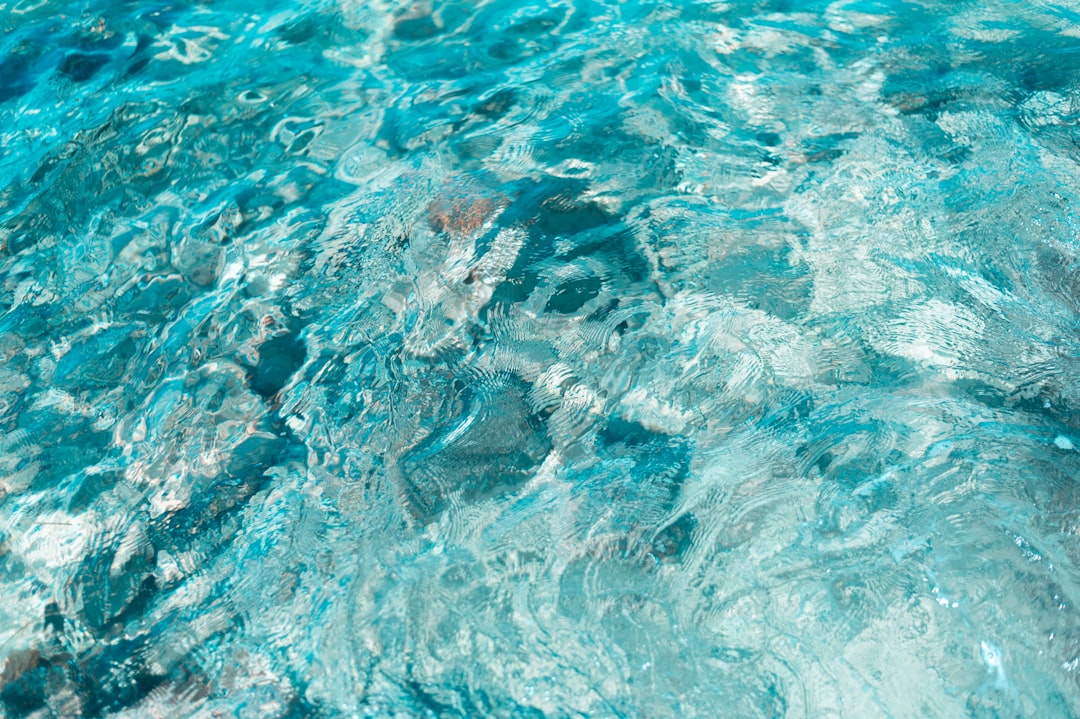
Photo by Jan Kopřiva on Unsplash
9. Jacob's Well — Wimberley, Texas
Jacob's Well is an artesian spring that doubles as the mouth of one of the longest underwater cave systems in Texas — a perfectly round, impossibly blue hole about 12 feet across that drops some 140 feet into the aquifer. From the surface it's serene; below, it's an extreme cave-diving system that has claimed lives.
For swimmers, the surface pool is the draw: cold (~68°F), clear, and gorgeous, fed by Cypress Creek. Swimming is now by reservation during the season, and diving is strictly off-limits to anyone without serious cave certification. Respect the rules and it's a magical spot; ignore them and it's genuinely dangerous.
Quick facts: ~68°F; reservation required in season; no diving — the cave is for certified cave divers only. Best May through September.
10. Sliding Rock — Pisgah National Forest, North Carolina
This one is pure fun. Sliding Rock is a 60-foot natural rock waterslide that dumps you into a deep, frigid pool in the mountains near Brevard, North Carolina. Thousands of gallons of water pour down the smooth granite face every minute, and the whole ride takes a few shivery seconds.
The pool at the bottom is about 8 feet deep, with a gentle current that pushes you toward the edge, and lifeguards staff the site in summer (there's a small per-person fee in season). The water stays cold — think 50s — so the standard move is to slide once, shriek, warm up, and go again. It's the most purely joyful entry on this list.
Quick facts: ~60-ft slide into 8-ft pool; lifeguarded in summer; small fee in season; very cold water. Best June through August.
11. Cummins Falls — Cookeville, Tennessee
Tennessee's eighth-largest waterfall, Cummins Falls drops about 75 feet into a broad, swimmable gorge pool that's become one of the state's favorite summer swimming holes. The reward is the base of the falls; the effort is a rocky gorge scramble upstream, so wear water shoes and check flow conditions.
It's a state park with real infrastructure (parking, restrooms) but the swim itself still feels wild — you're in a river gorge, not a man-made pool. Go on a weekday to avoid the quota lines, and watch water levels, because the same rain that makes the falls dramatic can make the gorge unsafe.
Quick facts: ~75-ft waterfall; gorge scramble required; check flow and daily capacity before you go. Best late spring through early fall.
12. Diana's Baths — North Conway, New Hampshire
On the eastern side of the White Mountains, Diana's Baths is a staircase of smooth granite potholes and low cascades along Lucy Brook, each one a knee-to-waist-deep pool polished over millennia. It's a short, mostly flat ~0.6-mile walk from the trailhead, which makes it one of the most accessible "hidden" spots in New England.
Come early or on a weekday — it's no longer a local secret and fills up fast on summer weekends. The water is classic mountain-creek cold, and the flat granite ledges are perfect for sitting with your feet in while kids splash the upper pools. It's gentle enough to be a family outing and pretty enough to feel like a find.
Quick facts: ~0.6-mile walk in; multiple shallow pools; popular — go early; White Mountains fees/passes may apply at the lot. Best summer and early fall.
How to Find Swimming Holes Responsibly (and Stay Safe)
The best part about a secret swimming hole is also the risk: it's wild. A few non-negotiables:
- Check water flow and weather before slot canyons. Flash floods kill, especially in the Southwest. If rain is forecast anywhere upstream, skip The Subway and any canyon pool.
- Never jump without checking depth. Water levels change season to season. The jump that was safe in July may be shallow in September.
- Know your cold-water limits. Water in the 50s can cause cold shock and muscle failure fast. Wade in gradually, and don't swim alone.
- Respect permits and closures. They exist because these fragile spots were getting trashed. A reservation is a small price for water that stays clear.
- Leave no trace. Take out everything you bring, don't use soap or sunscreen right in spring pools, and stay on durable rock or trail.
If you're stringing several of these into one trip, this is exactly the kind of adventure worth building a US road trip around — a few long drives, a few short hikes, and a whole lot of cold, clear water. For more under-the-radar stops in the desert Southwest, our guide to hidden gems beyond the Grand Canyon has a few that pair perfectly with Havasu Falls.
FAQ: Secret Swimming Holes in the USA
What is the best swimming hole in the USA? The most iconic is Havasu Falls in Arizona — its blue-green pools are world-famous. If you want something you can reach without a months-ahead tribal permit, Hamilton Pool Preserve in Texas and Sliding Rock in North Carolina are the crowd favorites.
Are there any secret swimming holes in Washington State? Yes. Washington's Cascade creeks are full of them — Dougan Falls near Washougal, Eagle Falls on the Skykomish River, and countless pools along the Alpine Lakes Wilderness all offer cold, clear swims. The Pacific Northwest generally is prime swimming-hole country.
Where is the God's Bath swimming hole located? God's Bath is on the Clavey River in the Stanislaus National Forest, near Groveland, California (a short drive from Yosemite). It's a set of smooth granite pools and natural water chutes reached by a steep, rough hike.
What are some secret swimming holes in Arizona? Beyond Havasu Falls, Fossil Creek near Camp Verde is a spring-fed river of astonishing turquoise (permit required in season), and canyon pools dot the Sedona backcountry. Arizona's desert-meets-water contrast makes its swimming holes some of the most striking in the country.
Do I need a permit for these swimming holes? For several, yes. Havasu Falls (tribal permit), The Subway (Zion wilderness permit), Hamilton Pool and Jacob's Well (reservations), and Fossil Creek (seasonal permit) all require advance booking. Always check the official site before you drive.
What should I bring to a swimming hole? Water shoes, a towel, sunscreen (applied away from the water), plenty of drinking water, a dry bag for valuables, and — for cold-water spots — a rash guard or light wetsuit. For canyon pools, add a headlamp and a checked flash-flood forecast.
Conclusion
You don't have to fly to some distant tropical island to swim in water that glows. Some of the clearest, coldest, most beautiful water in the country is already here — under a Utah slot canyon, inside a Utah limestone dome, or at the bottom of a Texas grotto. The only real cost is a little planning and a willingness to hike past the parking lot.
So pick one, book the permit if it needs one, and go find your own secret swimming hole this summer. Just remember the rule everyone who loves these places quietly follows: take the picture, take the plunge, and leave no trace.
Envie de créer ta propre liste de spots ?
Rejoins Spotli.st et partage tes bonnes adresses avec le monde entier.
Créer mon compte gratuit